
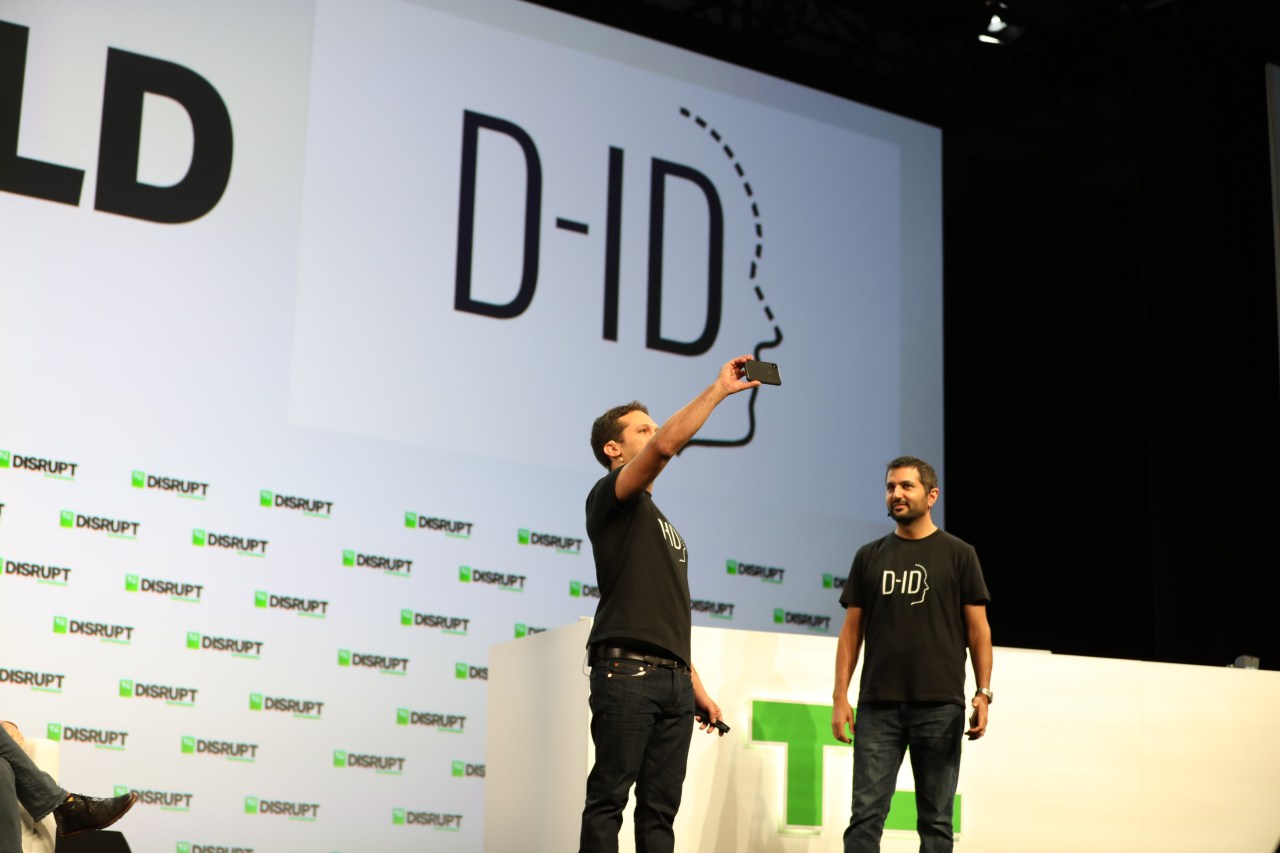
In an aging world where privacy is increasingly becoming a luxury, the arrival of D-ID has stirred the tech waters significantly. Debuting its initial product at TechCrunch Disrupt San Francisco, D-ID is reshaping the narrative surrounding facial recognition technology. With an impressive backing and foundational belief in safeguarding personal information, D-ID stands at the intersection of technological advancement and ethical responsibility.
The Evolution of D-ID’s Technology
With a journey stretching over 14 years, D-ID has crafted a solution that challenges the conventional uses of facial recognition. The company’s chief executive officer, Gil Perry, emphasizes that the rapid adoption of facial recognition tech poses serious privacy threats. Understanding the concerns of individuals, D-ID aims to provide a solution that respects the sanctity of personal information while still facilitating the necessary functionalities for businesses.
How D-ID Works
D-ID’s technology enables organizations to generate altered versions of facial images, effectively disconnecting the actual facial data from its use in systems. Rather than storing true images, businesses can keep these distorted versions – a crucial practice for ensuring data privacy. For example, when utilizing an iPhone X secured with D-ID’s technology, the phone can capture a user’s face, apply D-ID’s software to distort it, and store this version for authentication purposes. Thus, even in the instance of a data breach, actual facial information remains safeguarded, wielding considerable importance in today’s data-driven ecosystems.
A Diverse Clientele and Market Impact
D-ID is already making significant waves with customers spanning various industries, including automotive, printing, and financial services. The rapid engagement of diverse sectors highlights the versatile applicability of its technology. By protecting employees and customers through innovative image alteration, organizations can align with privacy regulations such as GDPR, which commenced full enforcement in May 2018. As Perry notes, this barrage of regulatory demands has amplified interest in solutions like D-ID, enhancing market momentum for the service.
Building a Safer Future
The founders of D-ID did not casually step into this domain; their experiences in Israeli military intelligence ignited a passion for privacy preservation. Perry, alongside co-founders Sella Blondheim and Eliran Kuta, recognized the urgent need for an effective solution to combat the widespread use of facial recognition technologies that often infringe on personal privacy rights. Their vision is clear: to serve as the shield against the erosion of privacy while advancing technology.
The Path Ahead
As D-ID continues to expand its reach, interest is likely to surge among the estimated 360,000 companies that manage billions of images. This illustrates a validated market need for D-ID’s services. Perry forecasts a world where the D-ID model becomes standard for organizations utilizing facial recognition, presenting an exciting evolution in the tech landscape. The responsiveness of D-ID’s approach to consumer concerns can help set new benchmarks in ethical technology.
Conclusion
D-ID’s entry into the realm of facial recognition highlights a crucial shift towards protecting individual privacy without sacrificing technological utility. As the demand for responsible AI solutions widens, D-ID’s commitment to addressing privacy implications bodes well for future advancements in artificial intelligence. Their innovative approach serves as a reminder that with great power comes great responsibility, urging all tech providers to tread carefully when navigating privacy-sensitive territories.
At **[fxis.ai](https://fxis.ai/edu)**, we believe that such advancements are crucial for the future of AI, as they enable more comprehensive and effective solutions. Our team is continually exploring new methodologies to push the envelope in artificial intelligence, ensuring that our clients benefit from the latest technological innovations. For more insights, updates, or to collaborate on AI development projects, stay connected with **[fxis.ai](https://fxis.ai/edu)**.