
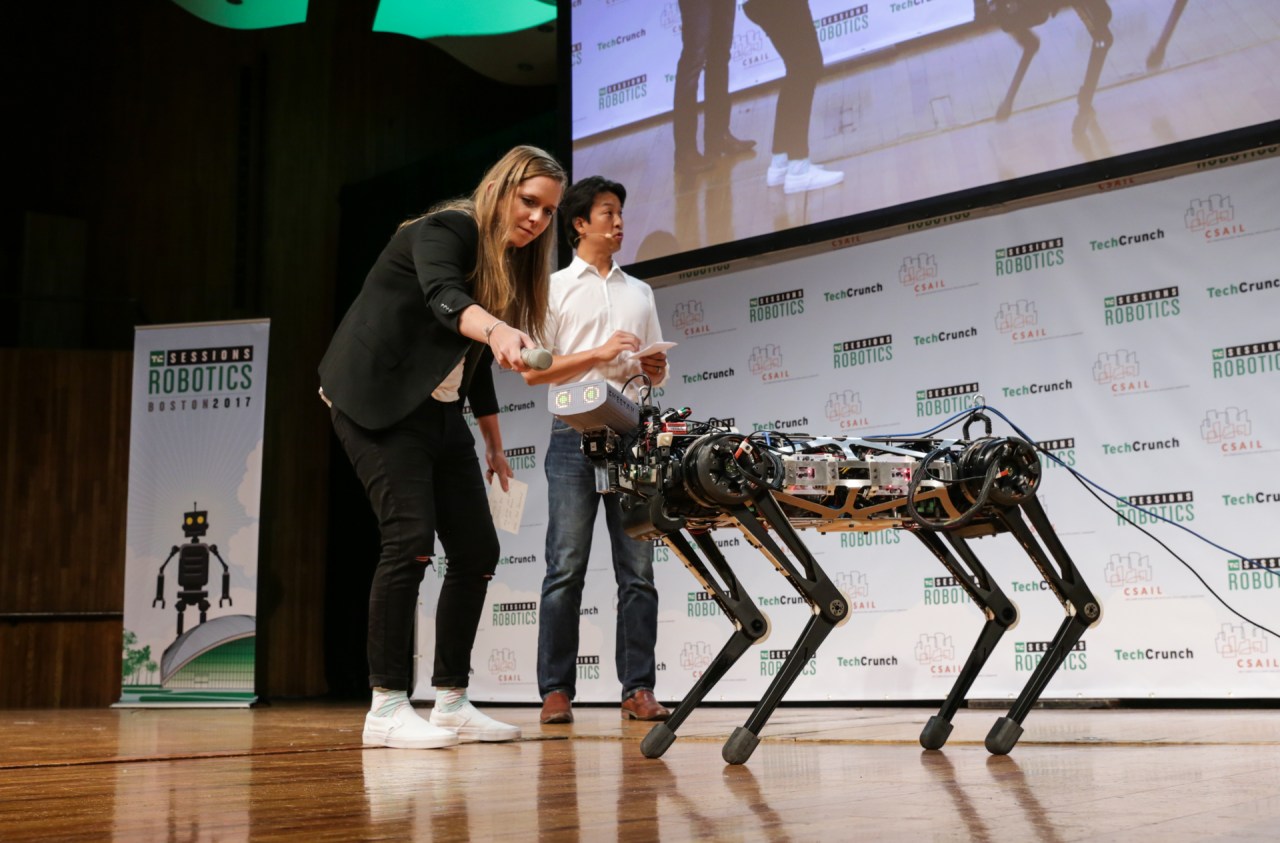
The robotics landscape is evolving rapidly, characterized by breathtaking advancements and innovative projects that redefine our relationship with technology. The TC Sessions: Robotics event showcased a plethora of cutting-edge technologies, featuring demos that captured the imagination and enthusiasm of both attendees and online audiences alike. In this blog, we will delve into four remarkable robot demonstrations that stood out during this event, highlighting the potential impact they could have across various industries.
The Impressive MIT Cheetah Robot
Stepping into the limelight was MIT’s latest version of the Cheetah robot, a marvel of engineering that has previously amazed audiences with its agility and speed. Known for achieving speeds of up to 14 miles an hour, the Cheetah can autonomously navigate obstacles and even engage in conversations via a mounted Echo Dot. This robot isn’t just a sight to behold; it represents years of research and development in the field of robotics. As we consider future applications, one can only imagine how a robot with such capabilities could be utilized for search and rescue missions, wildlife observation, and even in urban planning to monitor and analyze environments.
Soft Robotics: Gripping Innovation
Soft Robotics introduced their remarkable soft grippers that can deftly manipulate diverse items without requiring computer vision or extensive sensor data. This technology stands out due to its FDA approval, making it increasingly applicable in food packaging and handling. With this innovation, the implications extend far into agricultural practices and supply chains, where delicate items require careful handling. As we witness the integration of robotic systems into these critical industries, the potential for efficiency and safety improvements is enormous, making it a noteworthy advancement in robotic capabilities.
Revolutionizing Load Carrying: Harvard’s Exosuit
Harvard University’s Exosuit stole the show with its ingenious design aimed at assisting individuals in carrying heavy loads with significantly less effort—about 15 to 20 percent less, to be precise. This exoskeleton is not just for athletes or soldiers; it’s particularly beneficial for individuals recovering from strokes or those who need assistance due to mobility issues. The fabric-based structure, equipped with sensors and powered by a compact battery and motor, opens doors to rehabilitation gains and improved physical capabilities. With technology like this making its debut, we may soon see rehabilitative therapies evolving into active aids that empower patients in ways previously thought impossible.
Collaboration in Warehousing: Locus Robotics
Locus Robotics showcased their collaborative warehouse robot designed to work side by side with human counterparts. Unlike traditional automation that replaces human labor, Locus Robots enhance human efforts by navigating complex warehouse environments, avoiding obstacles, and performing tasks without requiring extensive training—just around an hour! This innovation is poised to redefine efficiency in logistics, demonstrating that the future of robotics lies in collaboration rather than competition. As companies embrace such systems, we could expect heightened productivity and streamline supply chain processes.
Conclusion: The Future of Robotics is Here
The demonstrations at TC Sessions: Robotics served as a powerful reminder of the incredible potential of robotic technology. From MIT’s speedy Cheetah and the adaptable grippers of Soft Robotics to the supportive Exosuit from Harvard and the collaborative Locus Robots, each innovation tells a unique story of what the future holds. As we continue to integrate these technologies into our daily lives and industries, we can only anticipate the remarkable changes they will bring about.
At **[fxis.ai](https://fxis.ai/edu)**, we believe that such advancements are crucial for the future of AI, as they enable more comprehensive and effective solutions. Our team is continually exploring new methodologies to push the envelope in artificial intelligence, ensuring that our clients benefit from the latest technological innovations. For more insights, updates, or to collaborate on AI development projects, stay connected with **[fxis.ai](https://fxis.ai/edu)**.