
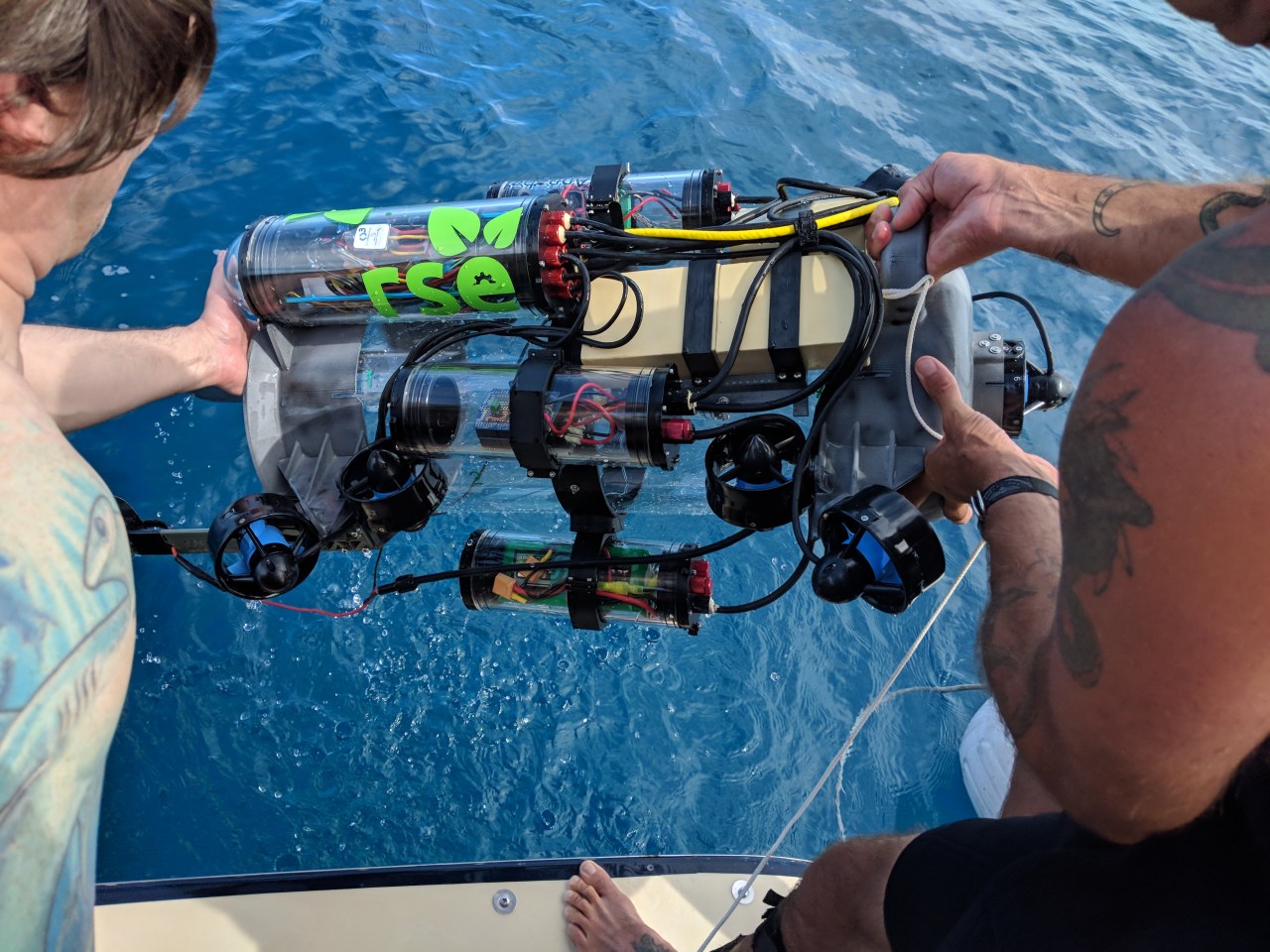
As the aquatic ecosystems of our planet face unprecedented challenges from invasive species, the intersection of technology and conservation has become increasingly vital. One of the most innovative responses to this challenge comes from an unexpected source—the CEO of iRobot, Colin Angle. His passion project, the Guardian LF1 Mark 3, represents the next generation of robotic efforts aimed at combating the lionfish crisis that is plaguing our oceans.
The Lionfish Crisis: A looming Threat
The lionfish, with its striking colors and spiky fins, may look beautiful, but it poses a serious threat to coral reefs and native fish populations in the Atlantic Ocean. Native to the Indo-Pacific region, these invasive fish have no natural predators in their non-native habitats, allowing them to reproduce rapidly and wreak havoc on local ecosystems. The lionfish’s appetite for reef fish is well-documented, leading to dire implications for biodiversity, fisheries, and the health of marine environments.
Introducing the Guardian LF1 Mark 3
After a successful Kickstarter campaign that raised $29,000 in support of the concept, the Guardian LF1 Mark 3 was officially launched. This robotic innovator is equipped to dive into depths of up to 400 feet—an area where lionfish thrive—and it operates under the command of a laptop or mobile device. This level of usability has opened up new horizons for fishers and conservationists alike, allowing them to combat the invasive species more effectively.
How the Guardian Works
- Remote Operation: The device can be controlled remotely for up to one hour, making it highly adaptable for various underwater missions. This feature is particularly significant as divers often face challenges at depths that can be both risky and limiting.
- Capturing Mechanism: The Guardian LF1 deploys a sophisticated mechanism that initially stuns the lionfish, followed by the ability to vacuum up to 10 fish at a time, significantly increasing the efficiency of eradication efforts.
- Environmental Impact: Colin Angle notes, “With each technical milestone we cross, we get one step closer to saving our greatest natural resource by empowering fisherman with new tools.” The emphasis on collaboration between technology and traditional fishing practices underscores a holistic approach to environmental stewardship.
Real-World Applications and Testing
The Guardian LF1 has already undergone a series of testing missions in Florida, where researchers and practitioners are gathering invaluable data on its effectiveness. This hands-on approach not only informs improvements for future iterations but also paves the way for broader adoption of such technology in ecosystem management worldwide. By involving local fishermen in testing, RSE promotes a community-centered model of conservation that empowers those most affected by lionfish invasions.
Looking Towards the Future
The brainchild of RSE and iRobot, the Guardian LF1 Mark 3 is more than just an underwater gadget; it’s a step toward employing cutting-edge technology as a means to help restore the delicate balance of marine ecosystems. As this robotic solution matures, we may see new models tailored for various invasive species and environmental challenges, leading to a new era in conservation technology.
Conclusion: The Role of Technology in Conservation
The emergence of robots like the Guardian LF1 Mark 3 highlights a promising shift towards a future where technology plays a critical role in ecological conservation. As we face increasing threats to our natural environment, innovative solutions will be key in reversing some of the damage already done. At fxis.ai, we believe that such advancements are crucial for the future of AI, as they enable more comprehensive and effective solutions. Our team is continually exploring new methodologies to push the envelope in artificial intelligence, ensuring that our clients benefit from the latest technological innovations.
For more insights, updates, or to collaborate on AI development projects, stay connected with fxis.ai.