
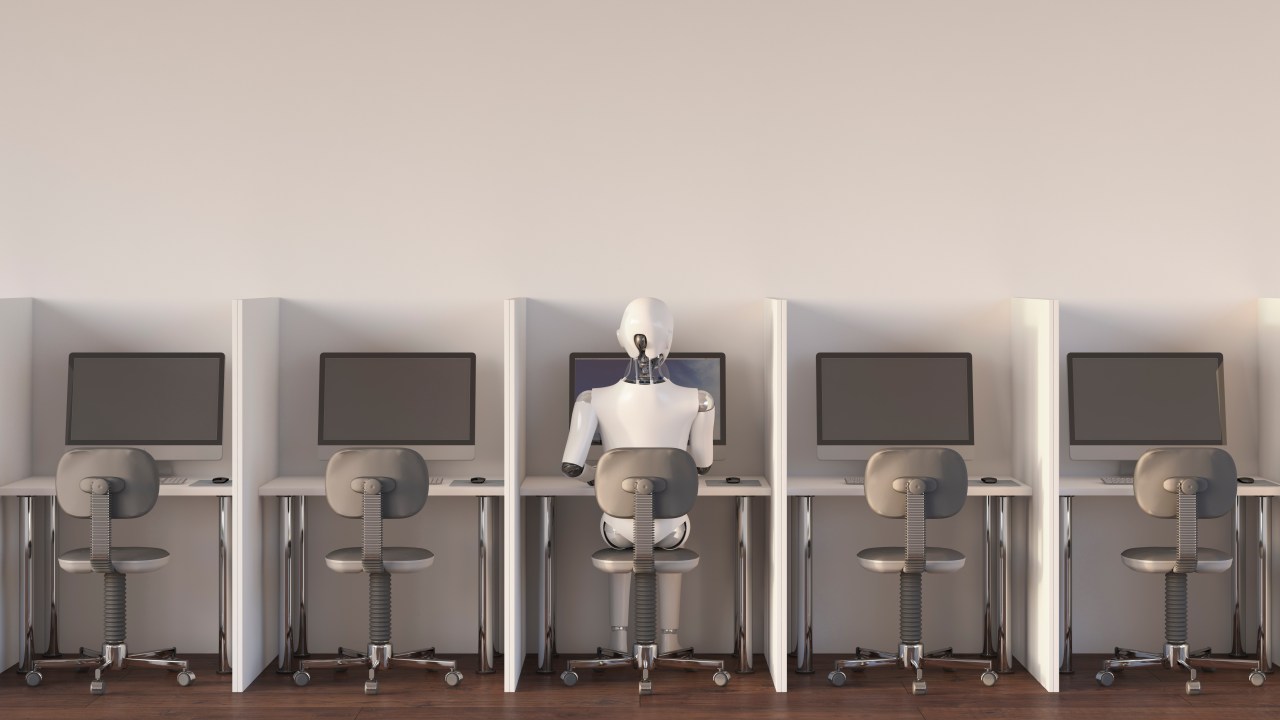
The post-pandemic world has ushered in a slew of changes, one of the most striking being the upheaval within the U.S. labor market. As millions find themselves unemployed, paradoxically, companies in various sectors—from retail to customer service—struggle to hire enough workers. This puzzling dynamic signals a deep-rooted dissatisfaction among American workers, who are eager to pursue greater value and fulfillment in their careers. What does this imply for the future of work and technology? Could the current labor shortage be the breakthrough AI has been looking for?
The Labor Market’s Dilemma
The pandemic has shifted not just employment dynamics but has also reshaped attitudes towards work. Many workers, feeling underappreciated and overworked, are choosing to exit roles, particularly in low-wage sectors. This trend isn’t limited to blue-collar jobs; even white-collar employees are leaving in record numbers, complicating the landscape for employers.
- Burnout and Job Dissatisfaction: Beyond extended unemployment benefits, widespread burnout and dissatisfaction are significant factors motivating worker exits.
- High Quit Rates: Industries such as hospitality, retail, and service are experiencing acute labor shortages, sparking urgent need for innovative staffing solutions.
AI: The Important Player in the Labor Equation
As businesses scramble to find temporary stopgaps during this crisis, many are turning towards AI as a sustainable solution. Just a few years back, fears about AI replacing human jobs dominated the conversation, yet the reality of labor shortages paints a different picture.
Transforming the Workplace
Rather than simply displacing human labor, AI has the potential to create better workplace environments by taking over repetitive, menial tasks. For instance:
- Manufacturing: AI technologies can optimize supply chains, manage inventory effectively, and enhance quality control. Predictive maintenance can significantly reduce downtime, thereby benefiting both the bottom line and employee satisfaction.
- Retail and Services: Advanced conversational AI streamlines customer interactions, freeing human employees to focus on more complex, intellectually rewarding tasks.
The Optical Shift in Job Perceptions
The perception of manufacturing jobs as low-tech and unappealing has historically deterred younger workers. However, the integration of AI can redefine these roles, showcasing them as innovative and vital. Companies integrating AI solutions can enhance operational efficiency while simultaneously improving employee satisfaction—because who wouldn’t prefer to focus on higher-level tasks rather than grind through menial work?
Bridging the Gap with AI
While AI’s expansion in the workplace is met with hesitancy due to misconceptions about job displacement, current labor shortages provide a prime opportunity to rethink its role. By minimizing repetitive tasks and offering real-time support, AI can contribute to job roles that are not only more fulfilling but can also bolster employee retention.
Not Just a Trend: A New Era of Work
As the landscape of work continues to evolve, businesses need to harness AI’s capabilities to not just weather the present storm but also to prepare for a more resilient future. This is not merely a trend; it is the dawn of a new era in which humans and machines collaborate for a more productive workplace.
Conclusion
The U.S. labor shortage may indeed be the break that AI needs to flourish. As workers demand more fulfilling roles, organizations have an unprecedented opportunity to explore AI technologies that can enhance employee experiences and operational effectiveness. By embracing this shift, companies can unlock a future where human creativity and AI efficiencies can coexist, ultimately driving growth and innovation.
At **[fxis.ai](https://fxis.ai/edu)**, we believe that such advancements are crucial for the future of AI, as they enable more comprehensive and effective solutions. Our team is continually exploring new methodologies to push the envelope in artificial intelligence, ensuring that our clients benefit from the latest technological innovations. For more insights, updates, or to collaborate on AI development projects, stay connected with **[fxis.ai](https://fxis.ai/edu)**.