
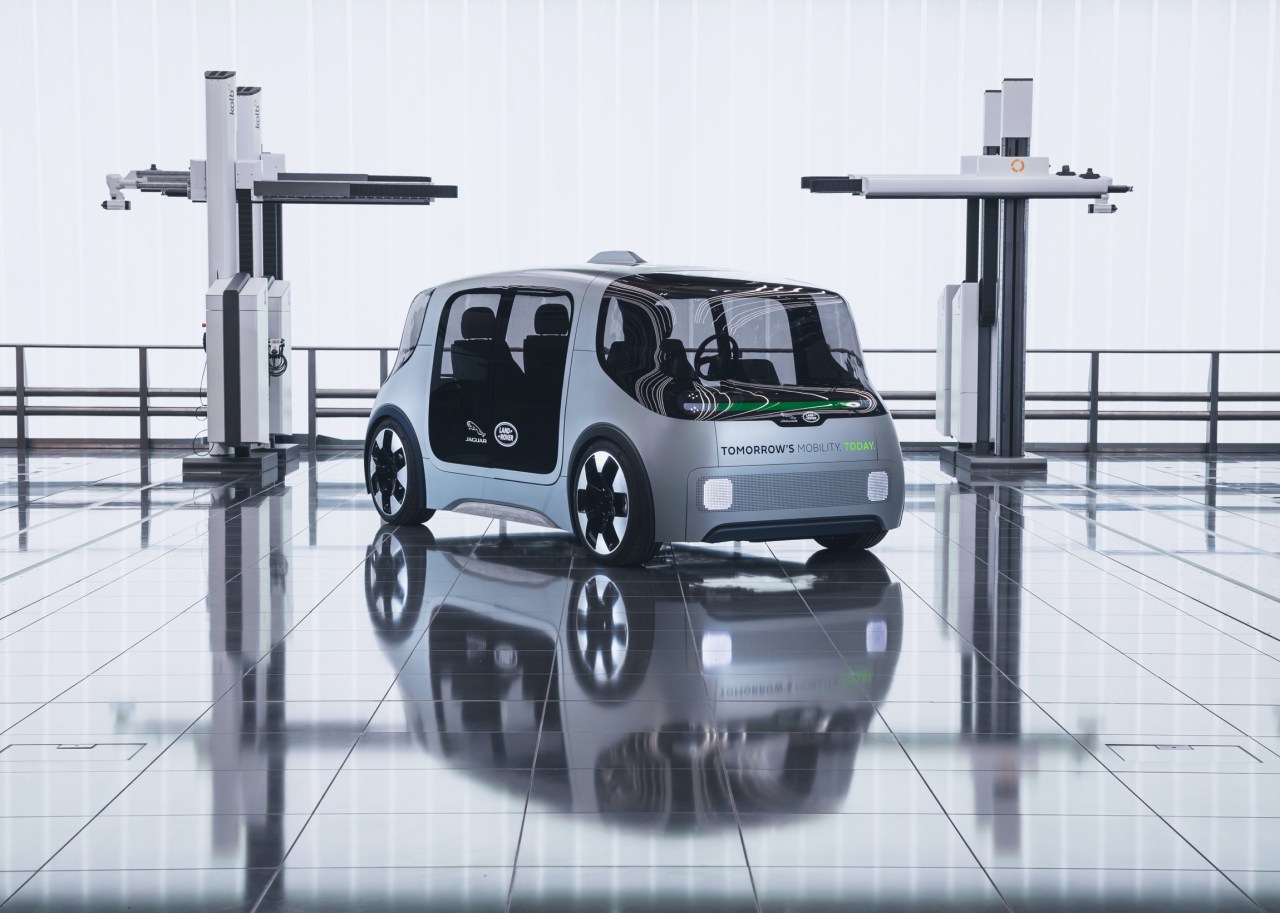
The automotive industry is on the verge of a revolution, pushing boundaries towards sustainable and efficient urban transportation solutions. In this context, Jaguar Land Rover (JLR) has unveiled its cutting-edge concept vehicle, “Project Vector,” aiming to redefine urban mobility. With a design that eschews traditional aesthetics for a more modular and sharable approach, Project Vector symbolizes a bold step into the future of transportation.
A Concept That Challenges Convention
Project Vector immediately captures attention with its distinct design, reminiscent of a low-floored shuttle rather than a conventional automobile. This format addresses the growing trend among automakers toward shared electric mobility, where vehicles are less about individual ownership and more about collective transportation solutions. The sleek, elongated body offers both functionality and adaptability, essential to meeting the diverse needs of urban environments.
- Sliding Doors: The concept features innovative sliding doors that open from the middle, enhancing accessibility while accommodating larger groups of passengers and goods.
- Low Floor Design: The vehicle’s low body facilitates easier onboarding, a crucial aspect for urban mobility focused on passenger convenience.
- Flexible Interior: A noteworthy aspect of Project Vector is its adaptable interior, which can switch between passenger transport and goods delivery, further optimizing urban use.
Balancing Human Control and Autonomy
While Project Vector incorporates elements of autonomous technology, it also retains provisions for human interaction. Unlike some fully driverless models like Cruise’s Origin, JLR’s concept features a steering wheel and front-facing seats for driver control. This approach offers flexibility, allowing users to choose a more traditional driving experience while still exploring paths towards full autonomy.
From Concept to Pilot: Living Labs in Urban Settings
Emphasizing collaboration, Jaguar Land Rover aims to partner with Coventry City Council and the West Midlands Combined Authority to implement a pilot mobility service, targeting late 2021 for deployment. This initiative is designed to transform the streets of Coventry into a “living laboratory,” effectively testing and refining the concept within a real-world environment.
This innovative pilot program aims to not only transport passengers but also explore the viability of shared electric transit solutions. By fostering a public transportation system that resembles traditional public transit rather than standard ride-hailing, JLR presents an exciting opportunity to enhance urban mobility and reduce congestion.
Implications for the Future of Urban Mobility
The unveiling of Project Vector by Jaguar Land Rover underscores a pivotal shift in our perception of urban transportation. The push towards shared electric mobility, with its emphasis on accessibility and sustainability, is clear. As cities around the globe seek solutions to manage traffic and pollution, vehicles like Project Vector may become vital to their future transportation infrastructures.
Conclusion
Jaguar Land Rover’s Project Vector represents more than just a vehicle; it embodies the vision of a smarter, more interconnected future for urban mobility. With intelligent design, flexibility for various uses, and collaborative pilot operations, JLR has the potential to redefine how we think about transportation in our cities. As we steer toward a future where convenience meets sustainability, the role of innovative vehicles like Project Vector will undoubtedly be central. At fxis.ai, we believe that such advancements are crucial for the future of AI, as they enable more comprehensive and effective solutions. Our team is continually exploring new methodologies to push the envelope in artificial intelligence, ensuring that our clients benefit from the latest technological innovations. For more insights, updates, or to collaborate on AI development projects, stay connected with fxis.ai.