
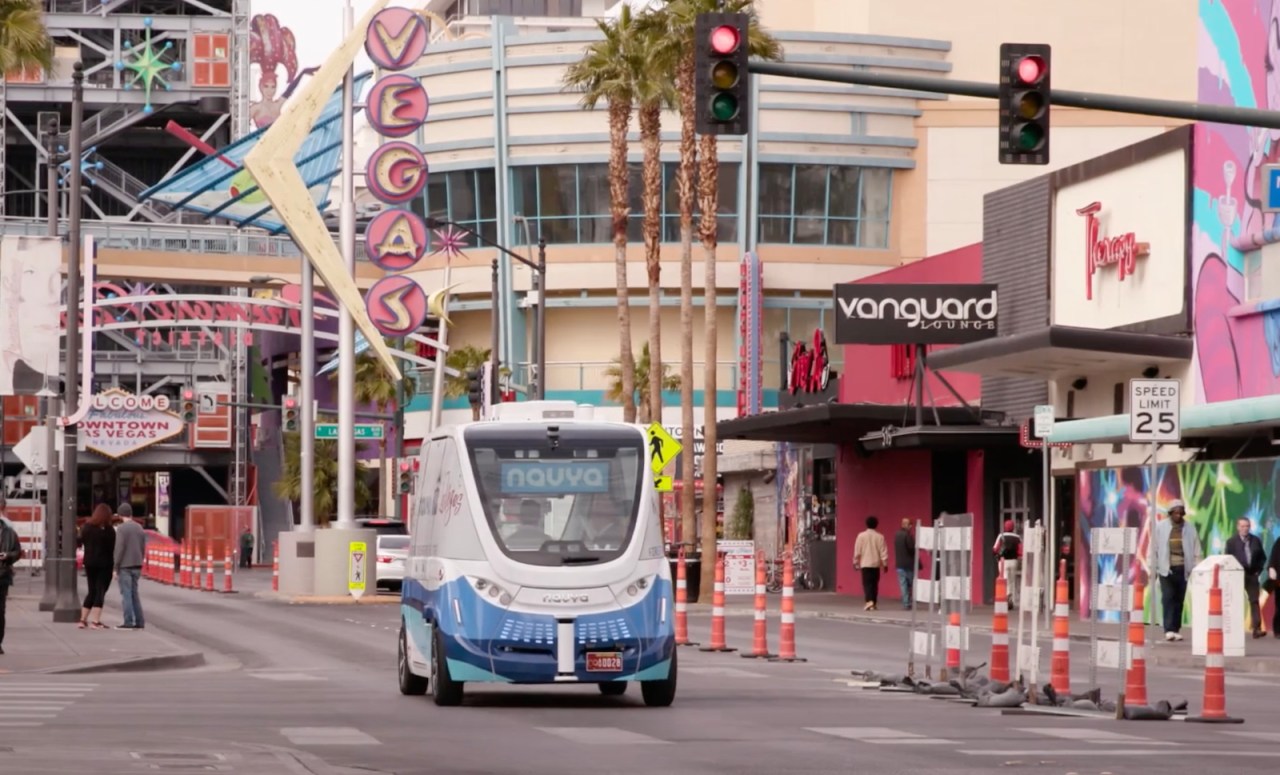
The shimmering lights and vibrant atmosphere of Las Vegas aren’t just reserved for the casinos anymore. In a bold move that showcases the city’s commitment to innovation, Las Vegas has launched the first electric autonomous shuttle to operate on public roads in the United States. This rollout made headlines during the 2017 Consumer Electronics Show (CES), drawing attention not only for its technological advancements but also for how it fits into the larger narrative of urban mobility in the age of automation.
Pioneering a New Era of Transportation
The collaboration between Navya, a pioneer in shuttle manufacturing, and Keolis, a fleet logistics provider, underscores the innovative spirit of Las Vegas. By strategically operating the electric shuttle along the renowned Fremont Street, city officials and companies involved are carving a niche in the urban transport sector. This initiative is not merely a technical demonstration; it symbolizes a pivotal shift toward smarter, sustainable public transportation.
Route and Technology
The autonomous shuttle, Navya’s ARMA model, embarked on its inaugural journey on January 11, covering a defined 0.6-mile route where it smoothly navigated through regular traffic. The choice of Fremont Street is pivotal, as it offers a controlled environment that allows for consistent mapping opportunities and reduced unpredictability compared to more complex driving scenarios. Shuttles that adhere to specific routes face fewer variables, making them an appealing initial application for autonomous driving technology.
- Enhanced mapping capabilities allow for better route optimization.
- Connected infrastructure, such as synchronized traffic lights, improves operational efficiency.
- Farming public interest sets the stage for broader adoption of autonomous technology.
The Broader Picture: Urban Mobility and Infrastructure
This initiative aligns with Las Vegas’ larger ambition to establish a dedicated area for testing connected and autonomous vehicles. The city has taken significant steps to integrate connected infrastructure, ensuring that traffic systems and autonomous vehicles can communicate seamlessly. By fostering such environments, Las Vegas is not just a testing ground for technology but a potential blueprint for future urban mobility strategies worldwide.
Challenges and Future Prospects
While the electric shuttle initiative represents a significant step forward, it is not without its challenges. The technology must continue evolving to handle a wider array of driving conditions and complexities. As more cities express interest in integrating autonomous vehicles into their public transport systems, the lessons learned from Las Vegas will be crucial.
Salvaging the potential hurdles and understanding how to integrate autonomous vehicles safely and efficiently will play a significant role in how this technology is received. The gradual introduction of defined routes offers a controlled test bed before full-scale deployment.
Conclusion
The launch of the electric autonomous shuttle in Las Vegas serves as a critical milestone in the journey toward integrating advanced technologies into our everyday lives. Through careful planning, collaboration, and innovation, Las Vegas is not just keeping pace with the future of transportation; it’s leading the charge. Integrating electric and autonomous vehicles into public transit reflects a commitment to sustainability and efficiency, setting standards for others to aspire to.
At fxis.ai, we believe that such advancements are crucial for the future of AI, as they enable more comprehensive and effective solutions. Our team is continually exploring new methodologies to push the envelope in artificial intelligence, ensuring that our clients benefit from the latest technological innovations. For more insights, updates, or to collaborate on AI development projects, stay connected with fxis.ai.