
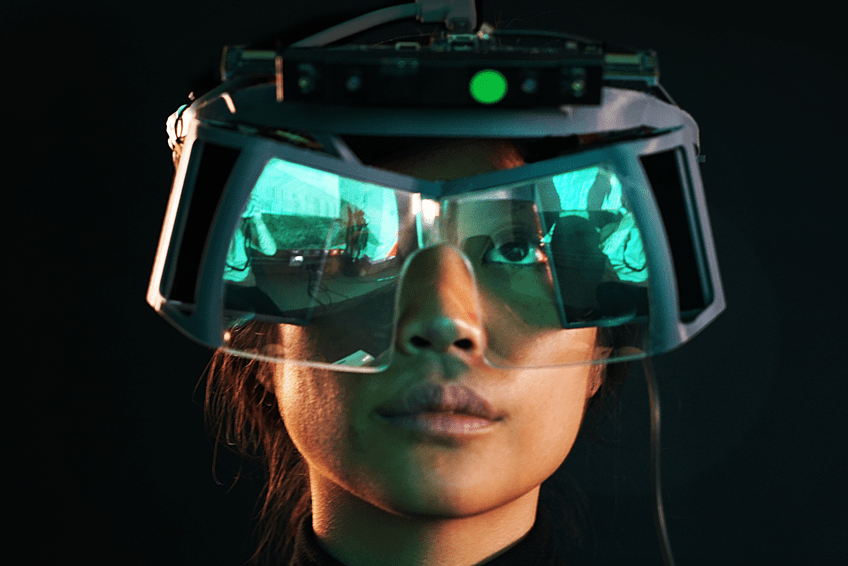
Leap Motion has always lived at the edge of innovation, merging the realms of augmented reality (AR) with the captivating allure of hand-tracking technology. With their latest announcement, the company has unveiled a new prototype of an augmented reality headset dubbed Project North Star. While the world may not yet have an AR system that has hit the commercial mark, Leap Motion continues to push the boundaries of what is possible—and they invite others to join in this exploratory journey.
A Design Built for Exploration
Project North Star is not your average headset; it is a provocative prototype aimed at redefining the landscape of AR technology. One striking feature is its price point; Leap Motion claims this headset can be produced for under $100 at scale, making it vastly more affordable than other existing AR options. This achievement is largely due to its innovative optical system that promises both quality and affordability without compromising performance.
Features That Set It Apart
Leap Motion’s headset offers dual 1600×1440 LCD displays, operating at a frequency of 120 hertz to deliver seamlessly fluid visuals. With a combined field-of-view of 100 degrees, it attempts to encapsulate the user in a richly immersive experience.
- High Resolution: The LCDs provide crisp visuals, making AR elements appear almost lifelike.
- Field of View: With an impressive 100-degree vista, users can experience an expansive augmented world.
- Hand-Tracking Integration: Embedded hand-tracking sensors allow virtual interactions that feel natural and responsive.
Beyond the Hardware: Shaping AR Experiences
As expressed by Leap Motion’s CTO, David Holz, the motivation behind Project North Star extends beyond hardware innovation; it emphasizes an evolution in AR experiences. Holz’s vision suggests we need to shift our focus from how AR systems look to how they make us feel during interactions.
This approach opens a world of opportunities for developers and creators interested in crafting unique applications that take advantage of enhanced interactivity. The open-sourcing of their schematics is a deliberate invitation to spark collaboration and exploration within the AR community.
Lessons from the AR Ecosystem
Leap Motion exemplifies a startup that firmly concentrates on mastering a specific technology while continuously expanding its horizon. Their hand-tracking expertise sets a benchmark in this space. However, the reality remains that even formidable prototypes like Project North Star indicate that the AR headset market might still have years before it achieves maturity.
The Future of AR and Leap Motion’s Role
As the industry evolves, Leap Motion’s proactive approach by sharing their designs reflects a nurturing spirit that could potentially accelerate innovation. The company’s willingness to engage the community ensures that fresh ideas are constantly emerging, and their focus on user experience represents a pivotal shift in how we perceive augmented reality.
Conclusion: A Call to Innovate
Ultimately, Leap Motion’s Project North Star stands as a promising way station in the continuing journey of AR technology. By advocating for an open-source model and embedding high-quality features within a budget-friendly prototype, they are not just envisioning the future of AR but actively shaping it. For more insights, updates, or to collaborate on AI development projects, stay connected with fxis.ai.
At fxis.ai, we believe that such advancements are crucial for the future of AI, as they enable more comprehensive and effective solutions. Our team is continually exploring new methodologies to push the envelope in artificial intelligence, ensuring that our clients benefit from the latest technological innovations.