
The tech startup landscape is filled with stories of innovation, ambition, and sometimes, abrupt endings. One such narrative that stands out is the rise and downfall of Airware, a drone operating system company that, despite raising an impressive $118 million from top-tier investors, ultimately succumbed to the harsh realities of market dynamics and business mismanagement. This blog post delves into the journey of Airware, exploring the factors that led to its sudden shutdown and the valuable lessons we can learn from this story.
The Visionaries Behind Airware
Founded in 2011 by Jonathan Downey, the son of two pilots, Airware aimed to revolutionize the way industries utilized drones. Initially, the company focused on developing an autopilot system to help collect aerial data for sectors like construction, insurance, and mining. The promise was enticing; eliminate the dangers associated with manned inspections and reduce costs drastically by replacing helicopters with drones. However, the vision was too ambitious, and the timing proved to be a challenge.
Technological Ambitions and Market Reality
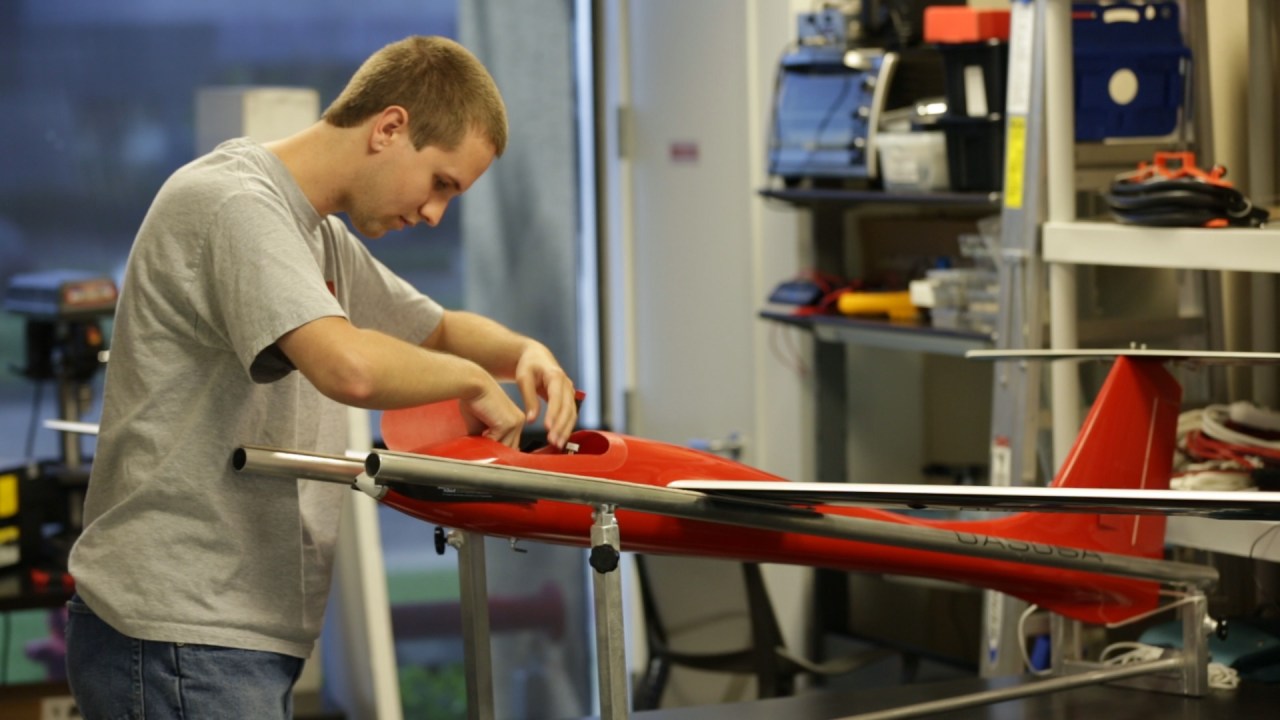
Airware’s commitment to building its own hardware was one of its defining traits. The company embarked on ambitious projects to create high-quality drones, such as the multi-rotor AT-28 and the fixed-wing Cygnet. Unfortunately, these efforts consumed significant resources and time, leading to rising expenditures that could not be justified by product success. Competing with established giants like DJI proved insurmountable.
- Despite Airware’s expertise in software engineering, the market’s existing hardware quality quickly caught up, rendering their costly devices obsolete.
- While the company made significant strides in aerial data collection, it struggled to adapt its business model to a rapidly evolving landscape.
The Cost of Overspending
In retrospect, the influx of capital contributed to the company’s downfall. With $118 million in its coffers, Airware pursued an aggressive strategy that may have been its undoing. An employee noted, “I think having $118M in the bank led Airware to charge ahead and sink tons of money into force-it-to-work methods rather than exercise a bit of patience.” This mindset not only diluted the company’s financial health but also impeded its ability to pivot effectively as the market evolved.
A Sudden Exit: The Day Airware Shuttered
In September 2018, employees received the shocking announcement that the company would cease operations immediately. The announcement came shortly after the opening of a Tokyo headquarters, showcasing the organization’s sudden and unexpected decline. Airware’s inability to secure ongoing funding or an acquisition was a testament to the challenging nature of the tech startup landscape, where even well-funded entities can falter.
Employees were left reeling, many grappling with the loss of their jobs and contemplating their uncertain futures. The company’s closure highlighted the importance of maintaining flexibility and financial prudence in the entrepreneurial journey.
Valuable Takeaways
- Understand Market Timing: Knowing when the market is ripe for your product is essential. Being ahead of the curve can be a double-edged sword if the industry is not ready to meet your innovations.
- Manage Resources Wisely: Financial backing can be a blessing and a curse. A sustainable approach to spending could have extended Airware’s runway, allowing time for their technology to mature effectively.
- Adaptability is Crucial: Businesses must remain agile and ready to pivot based on market demands and competitor advancements.
Conclusion: Turning Lessons into Forward Motion
Airware serves as a stark reminder that success in the startup world involves not just innovation but also strategic foresight and fiscal responsibility. As the drone industry continues to grow and evolve, emerging entrepreneurs can take valuable lessons from Airware’s journey to navigate their own paths. Building a sustainable business model, preparing for industry shifts, and making prudent financial choices can set the groundwork for success in a fast-paced tech-driven world.
At fxis.ai, we believe that such advancements are crucial for the future of AI, as they enable more comprehensive and effective solutions. Our team is continually exploring new methodologies to push the envelope in artificial intelligence, ensuring that our clients benefit from the latest technological innovations.
For more insights, updates, or to collaborate on AI development projects, stay connected with fxis.ai.