
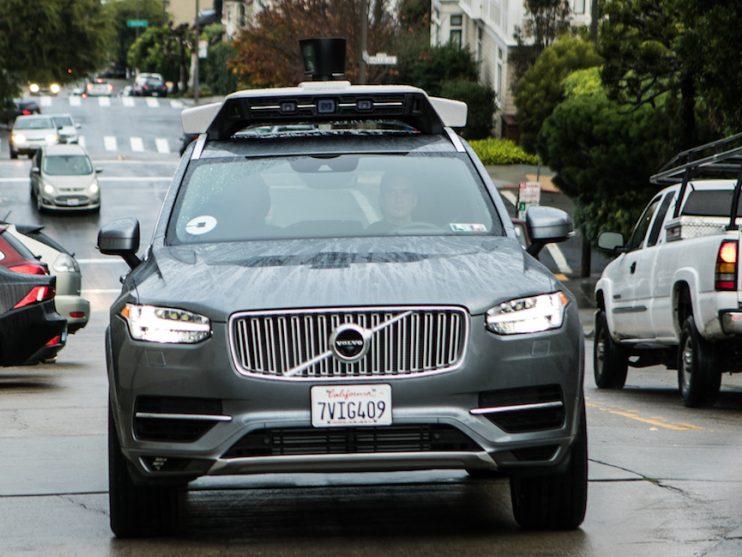
The advancement of autonomous vehicles came to a startling halt in 2018 when a tragic accident involving an Uber self-driving car resulted in the death of a pedestrian in Tempe, Arizona. This incident sent ripples through the tech industry and prompted an immediate investigation by the National Transportation Safety Board (NTSB). Beyond the heart-wrenching loss of life, the event raised critical questions regarding safety, liability, and the future of self-driving technology.
The Immediate Aftermath of the Incident
Following the fatal crash, Uber suspended its self-driving car tests in Arizona, California, and Pittsburgh. The company, which had positioned itself at the forefront of autonomous vehicle development, found its initiatives thrust into turmoil. Responses from Uber highlighted their commitment to cooperating fully with investigators, underscoring the gravity of the situation. “Our hearts go out to the victim’s family,” an Uber spokesperson stated, a reminder that behind the digital dashboards and algorithmic decisions lie real human stories.
Questioning Liability and Insurance in Autonomous Vehicles
The implications of the crash extended far beyond Uber itself; it ignited a broader debate about who is held responsible when an autonomous vehicle is involved in an accident. Here are a few key points for consideration:
- Driver vs. Machine: With an Uber safety driver at the vehicle’s wheel, can we assign responsibility to the automotive technology, or does the presence of a human driver complicate the situation?
- Software Accountability: Should tech companies face liability when their algorithms malfunction or fail during critical moments?
- Insurance Frameworks: How do we adapt existing insurance models to accommodate vehicles that are programmed to drive themselves?
These questions lie at the heart of the evolving relationship between technology and human oversight, prompting regulators and insurers alike to rethink responsive strategies for emerging automotive technologies.
Historical Context and Regulatory Responses
The Uber crash mirrors an earlier incident involving Tesla’s Autopilot system, which also involved questions of driver oversight and machine capability. The NTSB investigated that accident too and concluded that both driver inattention and systemic flaws led to the fatality. These investigations serve as stark reminders of the accountability challenges posed by rapidly-evolving technology.
Looking Ahead: The Future of Autonomous Driving
While the tragic outcome in Tempe halted Uber’s progress, it also illuminated a pathway for improvement and innovation in the self-driving sector. Here’s what must be considered moving forward:
- Enhanced Safety Protocols: Developers and companies must establish stringent testing measures and continuously refine their vehicles’ responses to complex real-world scenarios.
- Human-AI Collaboration: Training safety drivers to better understand their role in oversight and intervention can help optimize the interplay between machine intelligence and human judgment.
- Legislative Action: Governments need to craft clear regulations that delineate liability and insurance frameworks when it comes to the operation of autonomous vehicles.
Conclusion: Embracing the Lessons Learned
The unfortunate accident involving Uber’s self-driving car was a wake-up call for the industry, reminding us all of the complexities that come with innovation. By emphasizing safety, establishing clear accountability, and remaining open to necessary reforms, the autonomous vehicle industry can strive towards a future that respects the sanctity of human life while pushing the boundaries of technology.
At fxis.ai, we believe that such advancements are crucial for the future of AI, as they enable more comprehensive and effective solutions. Our team is continually exploring new methodologies to push the envelope in artificial intelligence, ensuring that our clients benefit from the latest technological innovations.
For more insights, updates, or to collaborate on AI development projects, stay connected with fxis.ai.