
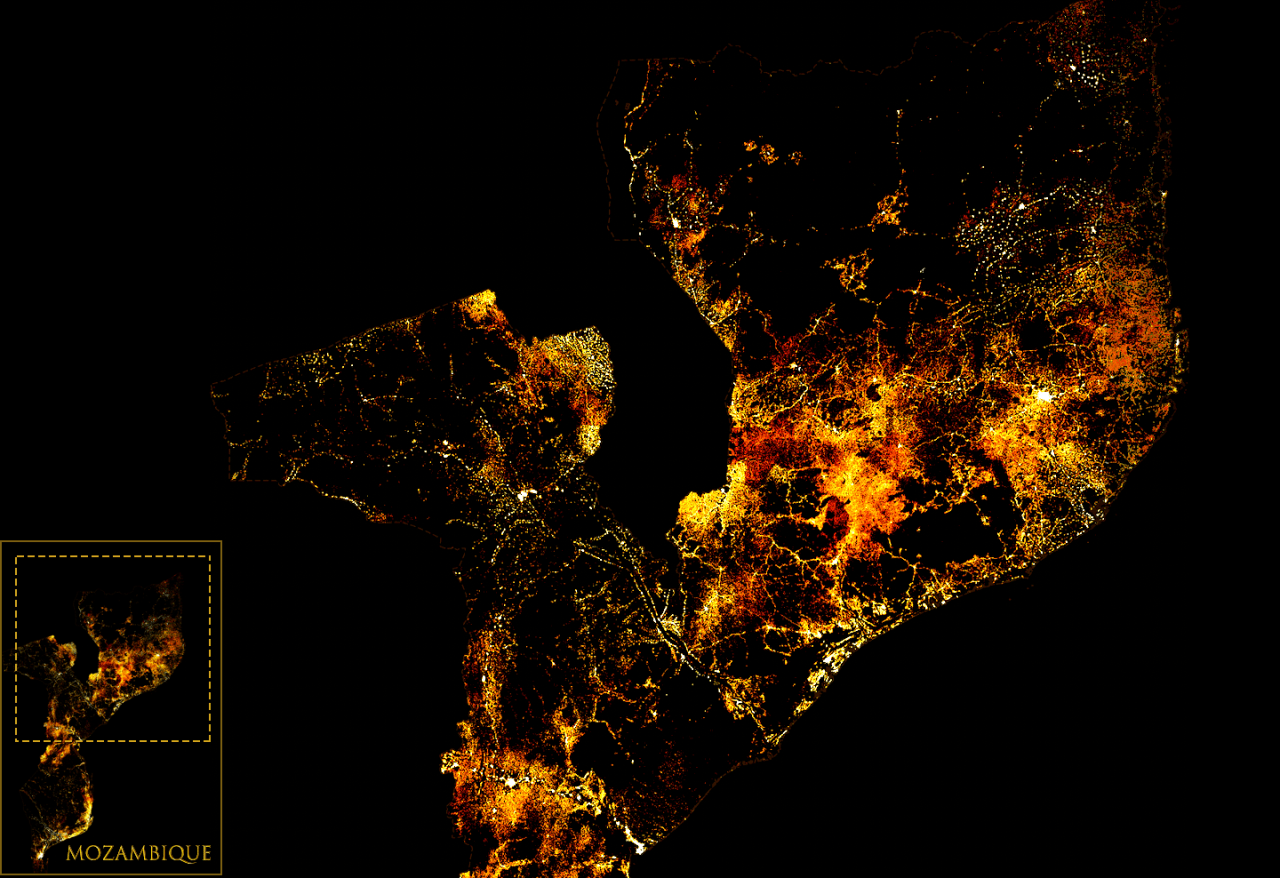
In an era where technology is reshaping every facet of our lives, it’s not surprising that social media platforms are stepping into the spotlight to address significant public health challenges. Facebook recently unveiled a groundbreaking initiative aimed at combating disease outbreaks through innovative mapping technologies. This endeavor isn’t merely a technological marvel; it signals a shift in how we can use data to bolster public health efforts worldwide.
The Power of Mapping in Disease Control
Facebook is introducing a trio of maps designed to empower nonprofit organizations and universities working on public health. These maps consist of:
- Population Density Maps: Providing demographic estimates, these maps offer insights into where people live and, crucially, the proportion of vulnerable populations, such as children and women of reproductive age. Utilizing satellite imagery and census data, they present an invaluable resource for health workers.
- Movement Maps: By analyzing aggregate data about users’ movements—when location services are enabled—health organizations can predict potential outbreak areas. The data source, while controversial, holds potential for accurately identifying where interventions are most needed.
- Network Coverage Maps: These maps serve a dual purpose: not only do they illustrate where people can access information online, but they also guide health officials on how to deliver timely health alerts, such as vaccination days, to the right demographics.
Combating Outdated Information with Real-Time Data
Healthcare planning often relies on census data that can be outdated, particularly in remote areas. Facebook’s integration of high-resolution maps could revolutionize how public health campaigns are designed and implemented, delivering timely and relevant information to health authorities. By combining this data with existing public health metrics, organizations can make informed decisions that directly impact outbreak response effectiveness.
Examining the Irony of Misinformation
However, the irony cannot be overlooked. Facebook has grappled with criticism for enabling the spread of misinformation, particularly concerning vaccines. The platform, while striving to make amends by curbing misinformation, acknowledges the role it played in previous health crises, such as the resurgence of measles outbreaks. This situation highlights a broader issue in public health that underscores the necessity of leveraging data to combat misinformation.
Beyond Vaccines: A Holistic Approach to Health Challenges
While the focus might initially be on diseases like measles or Ebola, the mapping initiative is designed to tackle numerous public health crises. The opportunity lies not only in tracking existing outbreaks but also in identifying emerging threats, from antimicrobial resistance to influenza. Access to extensive data provides public health officials with a more comprehensive toolbox for mitigating the impact of epidemics on communities.
Conclusion: A Future of Informed Public Health Responses
With an advancing technological landscape, the potential to harness data for public health is unprecedented. Facebook’s initiative denotes a significant step forward, offering incredible promise to nonprofits and researchers dedicated to tackling infectious diseases. While the road ahead may be rife with challenges, including combating misinformation, this new endeavor highlights the importance of collaboration between technology and public health sectors.
At fxis.ai, we believe that such advancements are crucial for the future of AI, as they enable more comprehensive and effective solutions. Our team is continually exploring new methodologies to push the envelope in artificial intelligence, ensuring that our clients benefit from the latest technological innovations.
For more insights, updates, or to collaborate on AI development projects, stay connected with fxis.ai.