
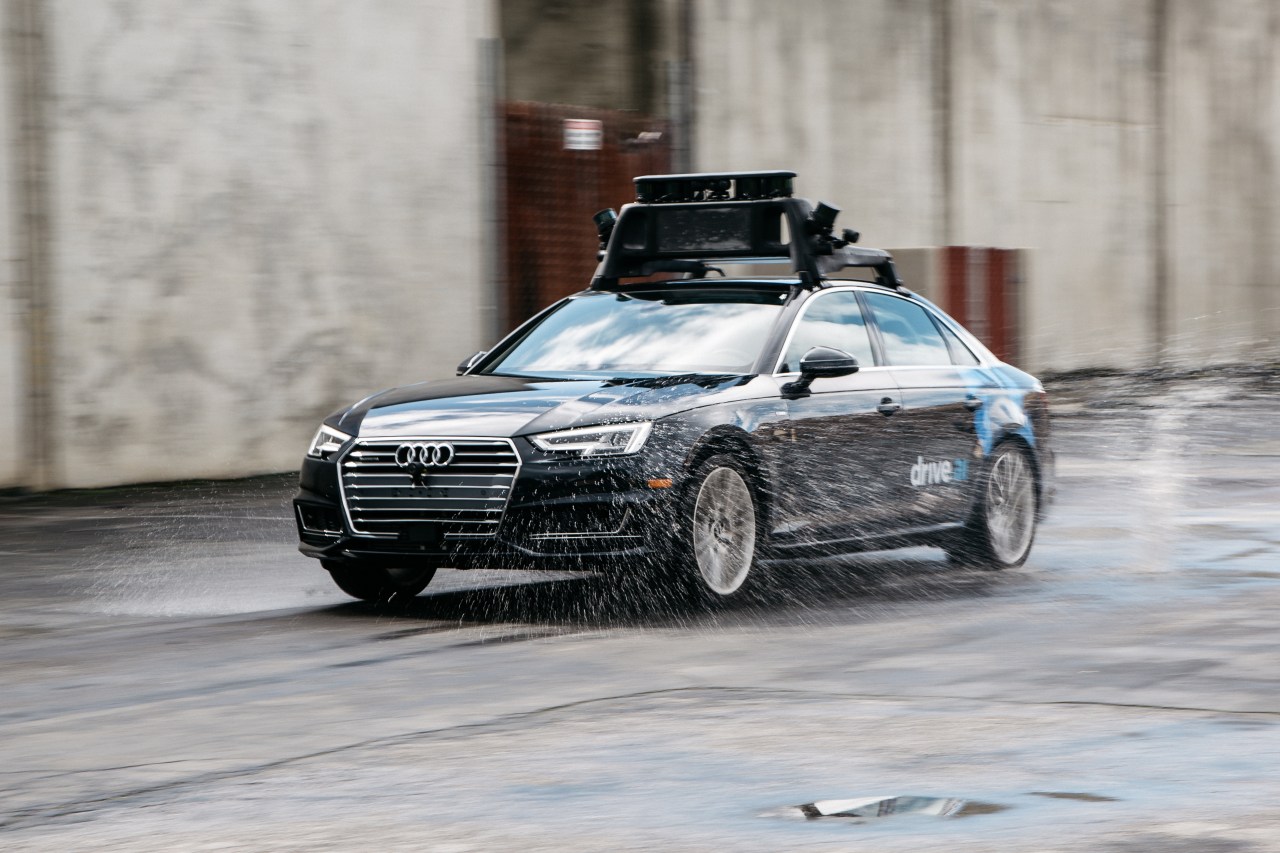
In an era where technology is not just a facilitator but a game-changer, the partnership between Lyft and Drive.ai is a testament to the relentless pursuit of innovation in the ride-hailing sector. This collaboration marks a significant step toward integrating autonomous vehicles (AVs) into everyday life, particularly in the vibrant tech hub of the San Francisco Bay Area. With a focus on safety, user experience, and education about AV technology, this pilot project promises to shape the landscape of urban transportation for the foreseeable future.
Deepening Roots of Innovation
Drive.ai, known for its robust ties with Stanford University’s Artificial Intelligence Lab, embodies a fresh approach to self-driving technology. The startup aims to make autonomous driving scalable, cost-effective, and practical for real-world applications. Their unique strategy revolves around creating retrofitting kits that convert existing vehicle fleets into autonomous entities. This innovation not only promotes sustainability by utilizing current vehicles but also prepares the groundwork for wide-scale AV adoption.
Pilot Project Goals
The pilot program, as articulated by Drive.ai’s President, Carol Reiley, aims to start small but grow strategically. The three primary objectives are:
- Safety: Establishing rigorous safety protocols to ensure passenger security is paramount.
- User Experience: Crafting a unique and enjoyable ride for passengers, which includes education about AV technology.
- Future Scaling: Analyzing routes and demand to identify additional Lyft markets ripe for AV deployment.
This thoughtful approach allows for controlled experimentation, minimizing risks while maximizing learning experiences.
The Interaction of Technology
Lyft’s Open Platform seeks to merge traditional ride-hailing services with the cutting-edge capabilities of autonomous technology. According to Taggart Matthiesen, Lyft’s Director of Product for Self-Driving, real-time data regarding road conditions, mapping, and weather will play a key role in deploying Drive.ai vehicles effectively. In instances where conditions are less than ideal for AV operation, Lyft’s established network will still ensure rides are available, seamlessly maintaining a consistent experience for users.
Building a User-Centric Future
Both Lyft and Drive.ai view this collaboration as an opportunity to enhance the customer experience through extensive user feedback. As stated by Drive.ai, the objective is to refine the interaction from the moment a user calls for a ride until they reach their destination. This research will dive deep into various components, ensuring that every facet, from security to in-car experience, resonates well with passengers.
A Learning Opportunity in the Bay Area
The Bay Area continues to emerge as a testing ground for autonomous driving technologies. While Lyft and Drive.ai embark on this venture, they are joining a host of players, including GM’s Cruise and Uber, in a race that is as much about technology as it is about real-world usability. Observing how consumers engage with AVs will be critical in defining the direction of this industry.
Conclusion: Looking Beyond the Horizon
The collaboration between Lyft and Drive.ai not only enhances their respective missions but also signals a broader transition toward autonomous mobility solutions. As the pilot unfolds, insights gained will serve as a foundation to address both technical challenges and consumer concerns surrounding AV technology. At fxis.ai, we believe that such advancements are crucial for the future of AI, as they enable more comprehensive and effective solutions. Our team is continually exploring new methodologies to push the envelope in artificial intelligence, ensuring that our clients benefit from the latest technological innovations. For more insights, updates, or to collaborate on AI development projects, stay connected with fxis.ai.