
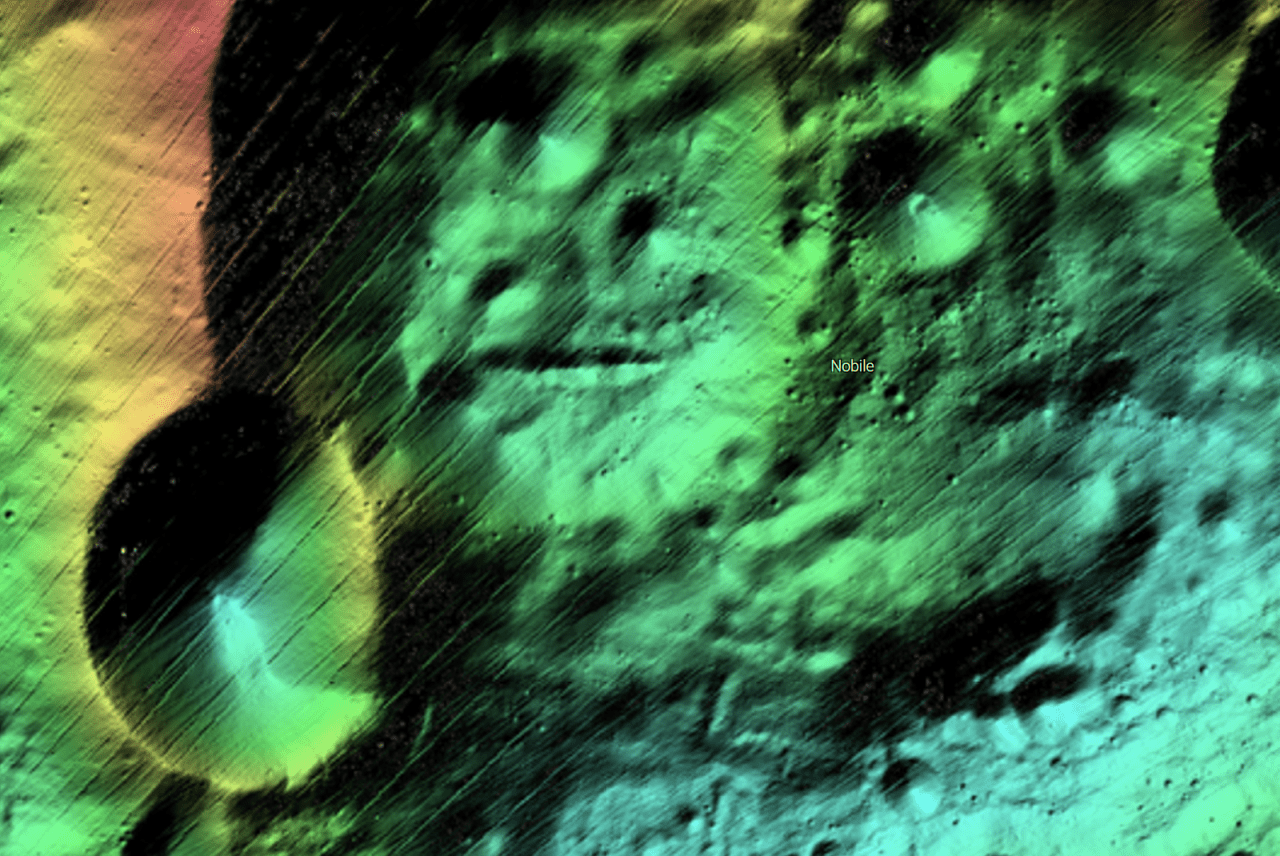
In recent years, the intersection of space exploration and artificial intelligence has opened up a plethora of opportunities. One of the most groundbreaking collaborations has emerged between NASA’s Frontier Development Lab and tech giant Intel. By harnessing the power of deep learning, they are not only processing vast amounts of lunar data but also transforming it into insightful maps that could redefine our understanding of the moon’s surface.
The Challenge of Data Overload
NASA collects an immense quantity of data—especially from its satellite surveyors exploring lunar topography. However, collecting data and extracting actionable insights from it are worlds apart. This gap has prompted NASA to partner with companies like Intel, which brings advanced computational capabilities to the table. Their work together illustrates a vital point: the research community must leverage cutting-edge technology if it wants to keep pace with growing data volumes.
A Leap in Deep Learning with Intel’s Nervana
Intel’s acquisition of the deep learning startup Nervana in 2016 has proven to be a pivotal move for lunar research. By integrating Nervana’s technology, researchers at NASA were able to process approximately 200TB of data in a remarkably short time frame—just two and a half weeks. This is especially impressive when given that tasks that previously took human researchers hours could now be completed in under a minute, achieving an astounding accuracy rate of 98.4%.
More than Just Maps: The Implications for Lunar Exploration
The maps generated from this upgraded processing capability are not merely impressive to look at. They also serve practical purposes, such as identifying potential landing zones for lunar rovers. Enhanced maps ensure that solar-powered rovers are placed in areas with optimal exposure, crucial for their operational sustainability. Moreover, with improved imagery and data, NASA is getting closer to deploying self-driving rovers capable of navigating the moon’s complex terrain.
Future Prospects: Beyond the Moon
This collaboration is just one of many initiatives at NASA’s Frontier Development Lab aimed at harnessing artificial intelligence for a broader array of challenges. From resource extraction in space to planetary defense strategies, the advancements being made highlight how AI is set to tackle issues that were previously considered insurmountable. The summer program dedicated to exploring these possibilities illustrates an organizational commitment to pushing the boundaries of technological and scientific progress.
Conclusion
The partnership between NASA and Intel signals a transformative era for space exploration, where data is not just collected but analyzed with unprecedented efficiency. This approach not only accelerates the research process but also opens doors to innovative applications that could impact future missions—watching closely as we embark on this exciting trajectory. By combining the brilliance of artificial intelligence and human expertise, we stand at the frontier of a new age in lunar exploration.
For more insights, updates, or to collaborate on AI development projects, stay connected with **[fxis.ai](https://fxis.ai/edu)**.
At **[fxis.ai](https://fxis.ai/edu)**, we believe that such advancements are crucial for the future of AI, as they enable more comprehensive and effective solutions. Our team is continually exploring new methodologies to push the envelope in artificial intelligence, ensuring that our clients benefit from the latest technological innovations.