
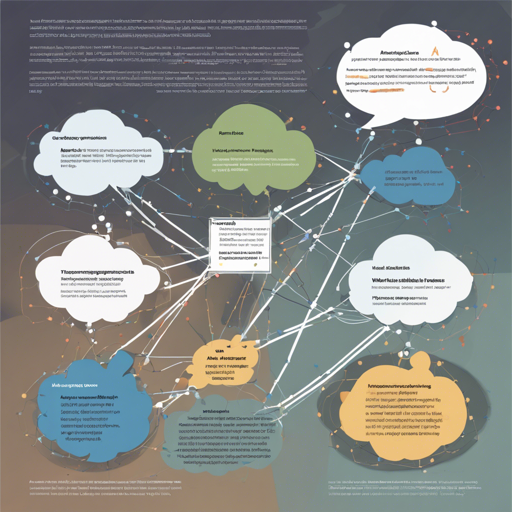
Welcome to the world of Argument Relation Mining! In this post, we’ll explore the powerful Argument Relation Identification (ARI) model, which has been meticulously crafted to enhance the understanding of debates and essays across languages. Whether you’re a researcher, student, or simply a curious tech enthusiast, this article will guide you through the essentials of working with the ARI model.
What is the ARI Model?
The ARI model is a pre-trained machine learning framework designed to identify arguments within a text and the relations between them. Initially trained on English data from essays, the model has been fine-tuned using Catalan data from the debate domain, allowing it to adapt to different linguistic contexts and themes. This adaptability is crucial for leveraging argument mining across various languages and formats.
Setting Up the ARI Model
To get started with the ARI model, follow these simple steps:
- Visit the GitHub repository housing the model.
- Clone the repository or download the code files to your local machine.
- Ensure you have the necessary dependencies installed as mentioned in the README file.
- Load the pre-trained ARI model using the provided scripts.
- Fine-tune the model using your dataset if required—it’s flexible and can adapt to your specific needs!
Understanding the Code: An Analogy
Imagine you are a chef preparing a unique dish that requires a special recipe. The ARI model is like your culinary toolkit, with pre-prepared ingredients sourced from an English essay that give it the foundational flavor. By tweaking the recipe with Catalan spices (the fine-tuning), you can create delicious meals for debates. Just as a chef adjusts the seasoning to fit the tastes of different diners, the model adjusts its understanding to fit various domains and languages.
# Example code to load the ARI model
import torch
from transformers import AutoTokenizer, AutoModel

tokenizer = AutoTokenizer.from_pretrained("user/ari-model")
model = AutoModel.from_pretrained("user/ari-model")

# Running the model with a sample input
input_text = "Your argument text here."
inputs = tokenizer(input_text, return_tensors="pt")
outputs = model(**inputs)
Troubleshooting Tips
Here are some common issues you might encounter while using the ARI model and their solutions:
- Model Load Failure: Ensure all dependencies are installed and that you are using the correct model path.
- Memory Errors: Consider upgrading your system’s RAM or running the model in a cloud environment.
- Inconsistent Output: Fine-tune the model with domain-specific data to improve accuracy.
- General Issues: For more insights, updates, or to collaborate on AI development projects, stay connected with fxis.ai.
Conclusion
The ARI model is a cutting-edge tool that empowers users to delve into the realm of argument mining with multifunctional capabilities. Understanding the nuances of argument relation identification can enhance your projects, whether you’re analyzing debates or sifting through essays.
At fxis.ai, we believe that such advancements are crucial for the future of AI, as they enable more comprehensive and effective solutions. Our team is continually exploring new methodologies to push the envelope in artificial intelligence, ensuring that our clients benefit from the latest technological innovations.