
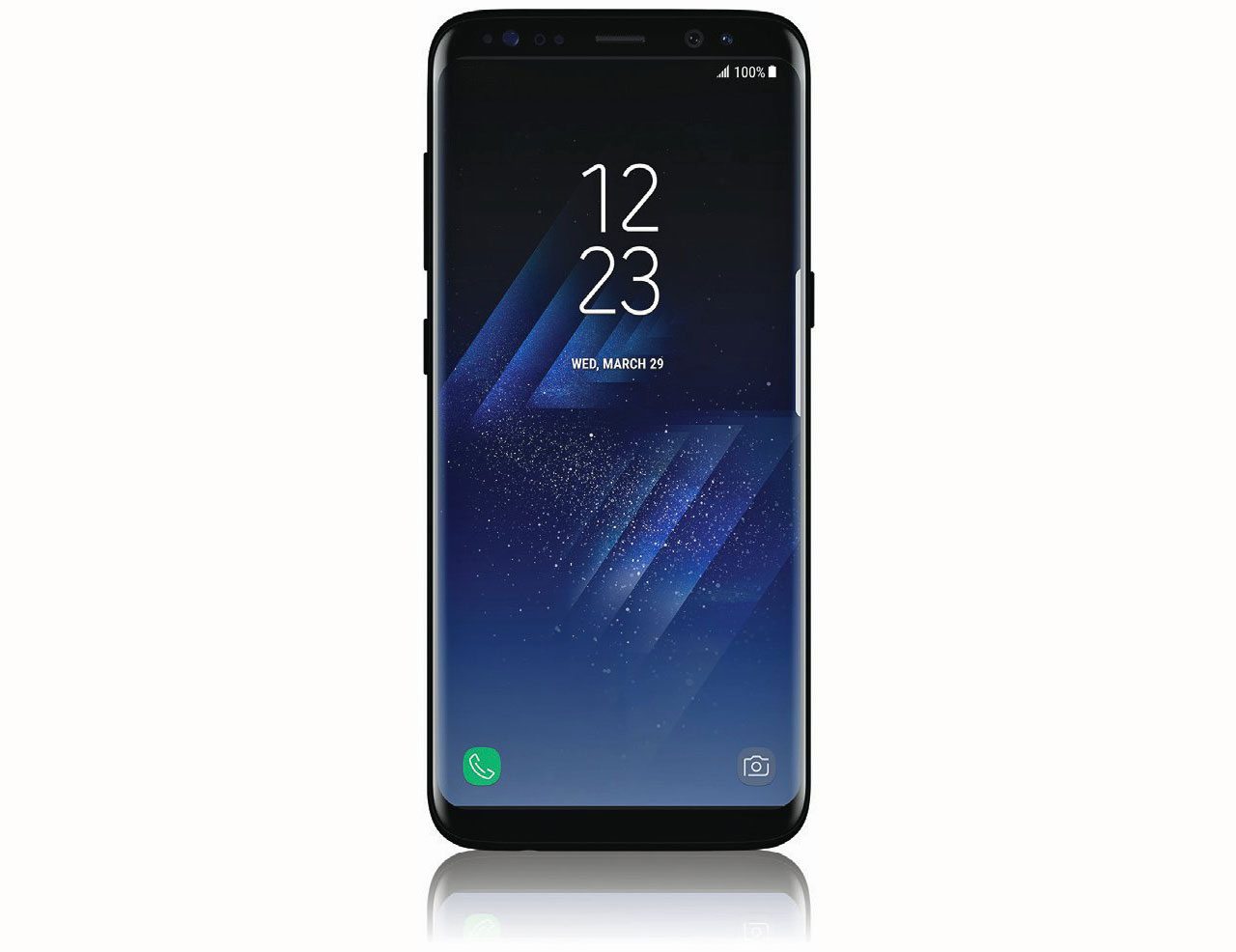
Samsung has made a strategic move in entering the voice-powered virtual assistant landscape with its innovative Bixby interface. While the company may be late to the party, its commitment to redefining user interaction with technology is evident in the unique features it brings to the table. As we delve into the capabilities of Bixby, let’s explore how this new intelligent interface stands apart and sets a new precedent for smartphone assistants.
Breaking New Ground: What Makes Bixby Special?
Bixby is not your average assistant; Samsung has carefully crafted it to enhance user experience significantly. With its promise to overcome functional limitations found in existing assistants, Bixby is built to understand and execute tasks beyond the usual commands. Here are some standout features:
- Full Integration with Apps: Bixby boasts the ability to utilize almost all functionalities of an app once it is compatible. This marks a departure from the conventional approach where assistants like Cortana, Siri, and Google Assistant can only access a limited array of features.
- Contextual Understanding: One of the most compelling aspects of Bixby is its contextual awareness. It can recognize what you were doing right before invoking it, ensuring a seamless transition between touch commands and vocal instructions.
- Flexible Voice Commands: Forget memorizing rigid phrases! Bixby allows for a more natural interaction, meaning users can give commands that feel intuitive rather than scripted. It also has the ability to ask follow-up questions for clarification, enhancing the likelihood of successful task execution.
Aiming for a Frictionless Experience
Reducing friction is at the heart of Bixby’s design philosophy. In a standout move, Samsung has introduced a dedicated Bixby button on the Galaxy S8, setting it apart from competitors who rely on long-press functionalities. This thoughtful inclusion aims to streamline user interaction, making it simpler to access the assistant at any moment.
Moreover, Samsung has laid out plans for Bixby’s expansion beyond smartphones. The vision encompasses home appliances, including air conditioners and smart TVs. Imagine controlling your living environment not through numerous remotes or apps but through one intuitive interface.
Learnings from Launch: An Initial Preview
While the prospect of Bixby is enticing, Samsung itself has tempered expectations for its initial launch. Anticipating a limited set of capabilities, the company encourages users to view Bixby as a first step toward a more integrated smart ecosystem. With plans to roll out a third-party SDK, Samsung opens the doors for developers to upgrade their apps to leverage Bixby’s full potential—ultimately enriching the user experience. This calculated approach underscores the importance of continuous enhancement in technology.
Conclusion: A New Era for Virtual Assistants?
In its quest to redefine voice-assisted technology, Samsung’s Bixby brings a refreshing perspective to the table. By emphasizing contextual awareness, app integration, and an intuitive command structure, the potential for a much more harmonious interaction with devices is clear. However, much remains to be seen as the rollout progresses and developers harness its capabilities. Will Bixby change the landscape for virtual assistants as we know it? Only time will tell, but its introduction marks an exciting chapter in the evolution of smart technology.
At fxis.ai, we believe that such advancements are crucial for the future of AI, as they enable more comprehensive and effective solutions. Our team is continually exploring new methodologies to push the envelope in artificial intelligence, ensuring that our clients benefit from the latest technological innovations.
For more insights, updates, or to collaborate on AI development projects, stay connected with fxis.ai.