
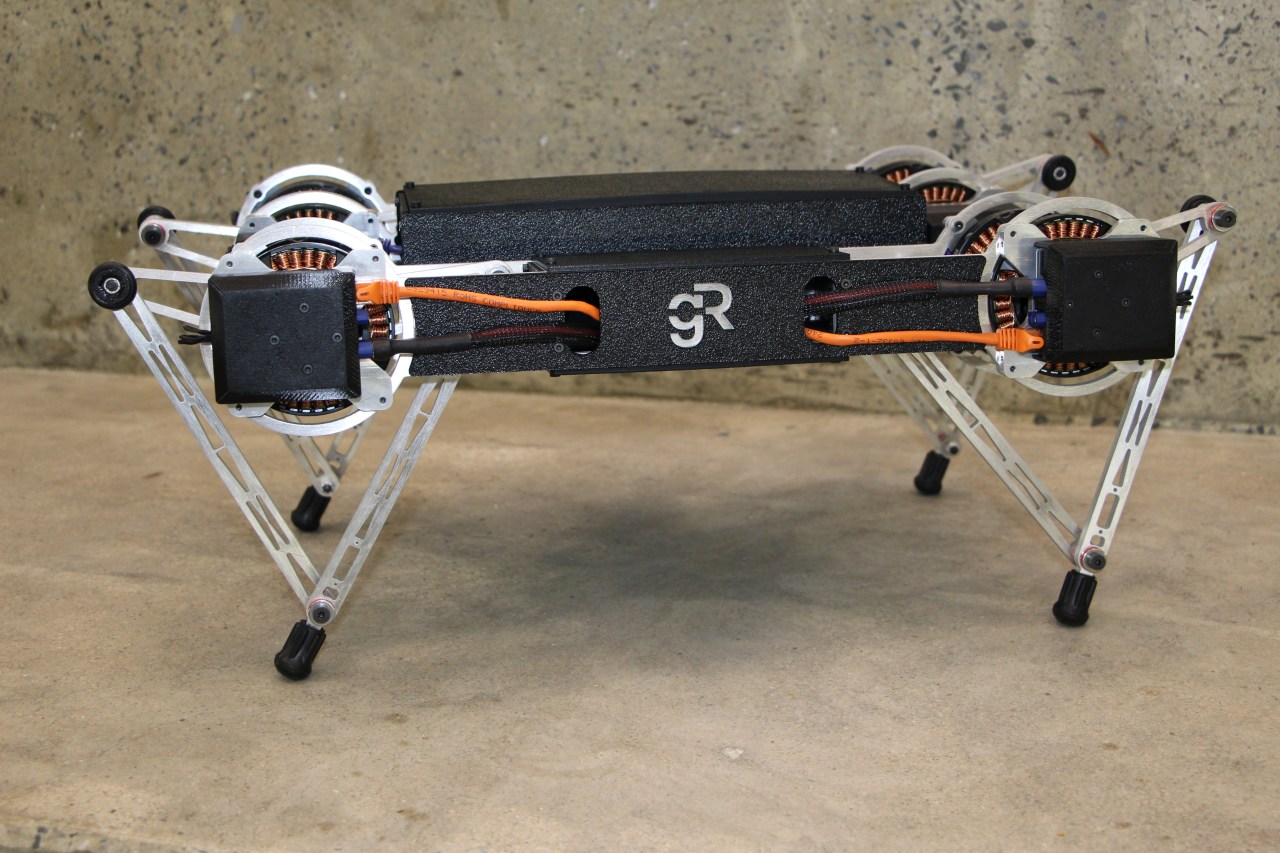
Let’s face it, Mondays can often feel like an uphill battle, but what if there was a way to inject a little excitement into the start of your week? Enter the remarkable Minitaur robot, a standout creation from Ghost Robotics that offers not just technological breakthroughs but a glimpse into the future of robotics. It’s time to dive into the marvelous world of Minitaur and discover how its unique design and capabilities revitalize our perspective on robotic locomotion.
The Birth of Minitaur: A Tech Marvel Emerges
Minitaur didn’t just appear out of thin air; this acrobatic robot originated as a cutting-edge research project at the University of Pennsylvania. Its development represents a new paradigm in robot movement. Designed with a “direct-drive” leg system, Minitaur cuts out the middleman—essentially, it skips traditional gears, springs, and powered joints. This innovative configuration not only makes the robot lighter and simpler but also allows for surprisingly smooth motion.
Understanding the Direct-Drive Technology
- Streamlined Movement: By replacing complex mechanical systems with electric motors that handle all motion directly, Minitaur can respond to dynamic environments with agility.
- Custom Software-led Motion: The real magic happens in the software where the motors emulate the functionality of springs and shock absorbers, enabling Minitaur to navigate its surroundings effortlessly.
- Triangular Legs: Its unique leg design allows for precise calculations regarding forces, meaning Minitaur can trot, jump, and even perform flips with grace.
Capabilities That Impress
Minitaur boasts an impressive repertoire of activities that extend far beyond traditional robotic tasks. Imagine a robot that can:
- Trotting: Moving steadily along varied terrain.
- Jumping and Flipping: Showcasing agility through high-energy movements.
- Climbing Stairs: Tackling vertical challenges with ease.
- Dynamic Interaction: Detecting its environment with high-speed cameras and sensors—like when it jumps to grab a door handle, with a remarkable ability to sense contact in real time.
Implications and Concerns
While Minitaur may delight audiences with its dexterity, it’s essential to remain mindful of its capabilities. The potential to adapt its tasks raises pressing questions about safety and ethics. With progress comes responsibility—imagining Minitaur’s skills being employed in sensitive fields necessitates expansive discussions about control and the implications of robotic intelligence.
Commercial Potential and Affordability
What’s more exciting is that Minitaur is not just a conceptual marvel; it’s a commercially viable product priced at about $10,000. Its affordability stems from a design that eliminates unnecessary actuators and gears, making this highly advanced robot accessible for researchers, enthusiasts, and companies eager to explore the boundaries of robotic potential. And as demand increases, you can expect the price to drop even further!
Conclusion: A Glimpse Into the Future of Robotics
As Minitaur captivates audiences with its agile performances and cutting-edge design, it serves as a reminder of the thrilling possibilities within the robotics landscape. Companies and researchers alike are continually pushing the boundaries of invention, and innovations like Minitaur herald an exciting new era. At fxis.ai, we believe that such advancements are crucial for the future of AI, as they enable more comprehensive and effective solutions. Our team is continually exploring new methodologies to push the envelope in artificial intelligence, ensuring that our clients benefit from the latest technological innovations. For more insights, updates, or to collaborate on AI development projects, stay connected with fxis.ai.