
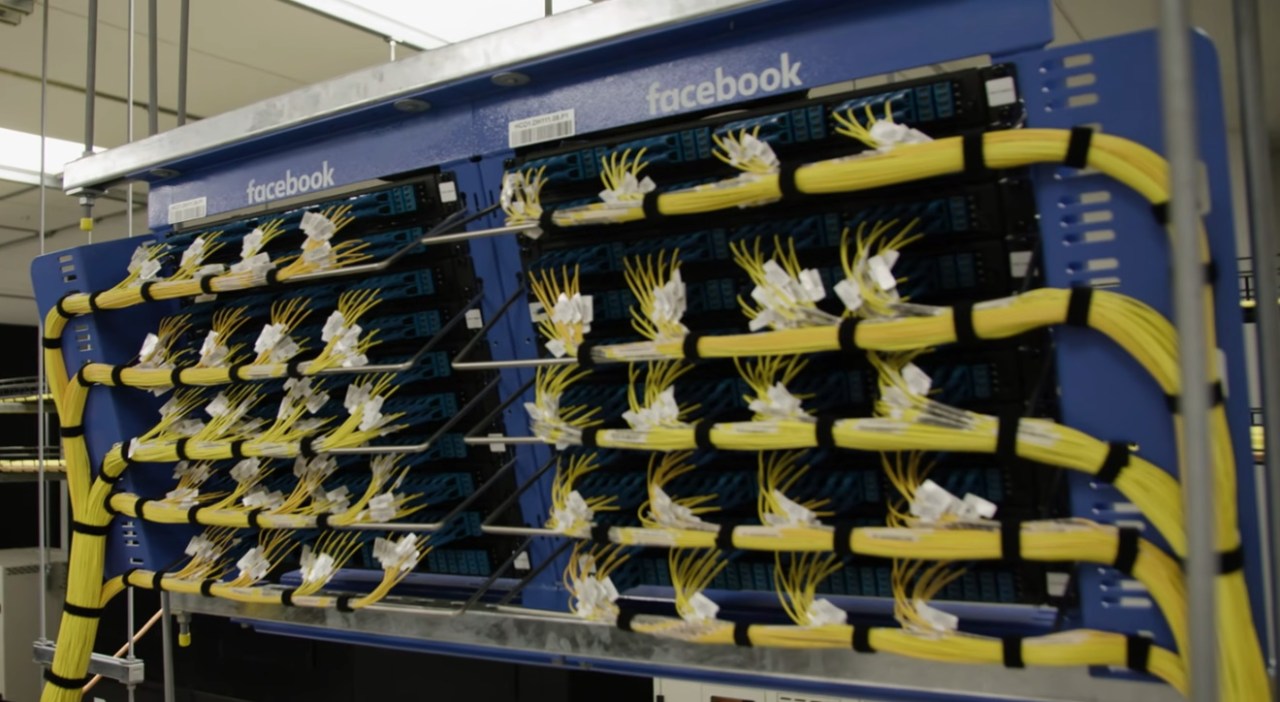
The race to build the most advanced supercomputers is rapidly intensifying, and tech giant Meta (previously known as Facebook) is preparing to throw its hat in the ring with its remarkable innovation, the AI Research SuperCluster (RSC). As the company gears up to operate one of the most powerful computational facilities ever built, there’s a fascinating story unfolding that reveals not just technological advancements, but also shifts in priorities in artificial intelligence research and deployment.
Understanding the Need for Speed in AI
In the domain of artificial intelligence, the computation demands have skyrocketed as models become increasingly complex. Just consider OpenAI’s GPT-3, noteworthy for its capabilities but requiring vast computational resources for training. Traditional computing setups simply can’t shoulder the burden of training these advanced models; they demand far more robust infrastructures, something RSC is primed to deliver.
A Glimpse into RSC’s Architecture
Currently, RSC operates with 760 Nvidia DGX A100 systems boasting an impressive total of 6,080 GPUs. This power positions Meta’s supercomputer as a competitive force, aiming for a distinguished rank among the world’s fastest supercomputers. According to the renowned Top 500 list, it may even vie for a spot amongst the top ten globally. With plans to increase RSC’s capabilities to triple its initial power, it could become one of the most formidable supercomputing systems owned by a private entity.
Precision Meets Efficiency
One of the most compelling aspects of RSC is its focus on the operational specifications suitable for AI applications. While traditional supercomputers prioritize high precision for tasks like complex atmospheric simulations, RSC is designed to handle the uncertainties inherent in AI. It emphasizes speed and efficiency over minute precision, allowing it to deliver results that are still adequately accurate—like determining “90% certainty this is a cat” rather than fretting over decimals.
- This approach is particularly advantageous for AI models, which tend to work on larger data scales.
- RSC operates using TensorFloat-32 math mode to deliver up to 1.9 exaFLOPs — a staggering number that underlines its computing prowess.
Why Does This Matter? A Shift in Power Dynamics
The emergence of RSC signals ongoing changes in the landscape of AI research and the balance of computational power. As AI plays an increasingly critical role in diverse sectors, from healthcare to transportation, the demand for robust infrastructure will continue to grow. This not only impacts research methods but also raises questions about data privacy and ethics, particularly given that meta uses user-generated data, albeit with stringent protective measures.
The Road Ahead
Looking ahead, RSC places Meta in a prime position to accelerate its AI initiatives, leveraging the substantial computational capacity for language processing and computer vision tasks. The distinct competitive advantage offered by such facilities could lead to groundbreaking advancements that further push the envelope of what AI can accomplish.
Conclusion: A New Era for AI Research
As the AI landscape transforms with innovations like the AI Research SuperCluster, it is evident that we are entering a new phase where the boundaries of artificial intelligence are continuously expanded. Meta’s audacious leap into the supercomputing realm not only exemplifies its commitment to pushing computational boundaries but also highlights an exciting time in tech where the future possibilities seem limitless.
At fxis.ai, we believe that such advancements are crucial for the future of AI, as they enable more comprehensive and effective solutions. Our team is continually exploring new methodologies to push the envelope in artificial intelligence, ensuring that our clients benefit from the latest technological innovations. For more insights, updates, or to collaborate on AI development projects, stay connected with fxis.ai.