
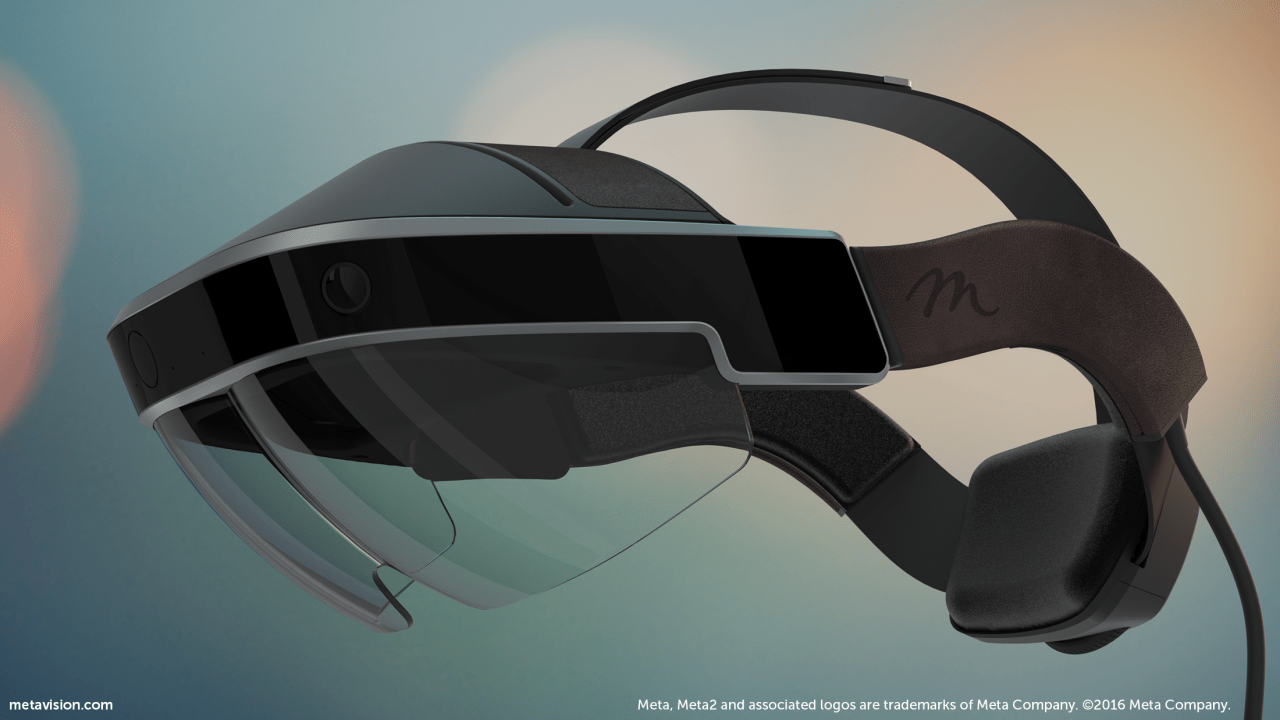
In the ever-evolving landscape of technology, few narratives capture the imagination like that of Augmented Reality (AR). Emerging from the confluence of innovation and entrepreneurial spirit, Meta, an AR startup once celebrated for its pioneering vision, has recently shifted gears following an unexpected insolvency. This article delves into the whirlwind journey of Meta, the recent asset acquisition, and what the future may hold for both the company and the augmented reality industry as a whole.
The Rise and Fall of Meta
Founded by Meron Gribetz, Meta aspired to revolutionize the way we interact with digital information through its end-to-end AR glasses. These glasses integrated cutting-edge hardware and software, capturing significant interest from investors and tech enthusiasts alike.
- Investments and Valuation: Meta garnered around $83 million in funding, hitting a maximum valuation of approximately $300 million. Noteworthy investors included giant corporations like Lenovo and Tencent.
- Unprecedented Ambitions: The startup made waves by shipping its flagship product, the Meta 2, signaling a bold stride into a competitive market.
- Setbacks: However, as several challenges loomed, including blocked investments and legal battles, the aspirations began to unravel, ultimately leading to an asset sale.
An Asset Sale: Unveiling the Mystery Buyer
In a surprising turn of events, Meta’s assets have found a new home under a “known name” in the industry, though precise details remain elusive. Gribetz reassures that this new buyer is committed to supporting Meta’s existing devices already in the market, which might signify a lifeline for the company’s loyal customer base.
- The Unknown Buyer: The mysterious buyer’s identity and intentions spark curiosity and speculation. Is it a tech giant ensuring a robust AR future? Or perhaps a startup eager to carve out a niche in the AR market?
- Future Prospects: Though details are sparse, the assurance of supporting the infrastructure already existing implies potential plans to refine or innovate upon the original technology.
- Talents and Innovations: The question of whether Meta’s talented workforce will transition to the new buyer remains a significant point of discussion. Their expertise could be pivotal in shaping any forthcoming products.
The Road to Recovery: Lessons for the AR Industry
While Meta’s story evokes a sense of loss, it also offers insights into the trials facing countless AR and VR startups. The challenges are manifold—technical limitations, market viability, and financial sustainability.
- The Market Burden: Despite an initial surge of funding reaching $3 billion in 2017 for AR/VR startups, many now face the harsh reality of dwindling interest and unmet expectations.
- Innovation and Integration: As Gribetz believes, the potential for AR technology remains vast, but firms must innovate creatively to harness consumer interest. The idea of AR becoming a common aspect within existing platforms rather than a standalone feature could be instrumental.
- Cautious Optimism: Amidst the struggle, Gribetz expresses a blend of hopefulness and realism. Many companies have exited the AR landscape without leaving a trace, but the narrative of Meta offers a flicker of optimism as it transitions into new ownership.
Looking Ahead: The Future of AR
The acquisition of Meta’s assets depicts a crucial moment in the AR narrative, potentially transforming the landscape going forward. The AR market may be riddled with challenges, but underlying innovations and the drive for enhanced user experiences could pave the way for brighter horizons.
As technology continues to blur the lines between the digital and physical world, companies entering the AR arena must navigate uncertainties while exploring novel opportunities. A collaborative spirit in technology innovation could drive the next leap in AR functionality.
Conclusion
Meta’s journey encapsulates the volatile nature of the tech startup landscape, highlighting both the promise and peril faced by the players within it. As we look to the future, the unfolding developments surrounding this acquisition may offer valuable lessons and spark renewed interest in augmented reality. The words of Gribetz resonate deeply: “Every company will eventually become an AR company,” but first, the right conditions must be established for that vision to materialize.
At fxis.ai, we believe that such advancements are crucial for the future of AI, as they enable more comprehensive and effective solutions. Our team is continually exploring new methodologies to push the envelope in artificial intelligence, ensuring that our clients benefit from the latest technological innovations.
For more insights, updates, or to collaborate on AI development projects, stay connected with fxis.ai.