
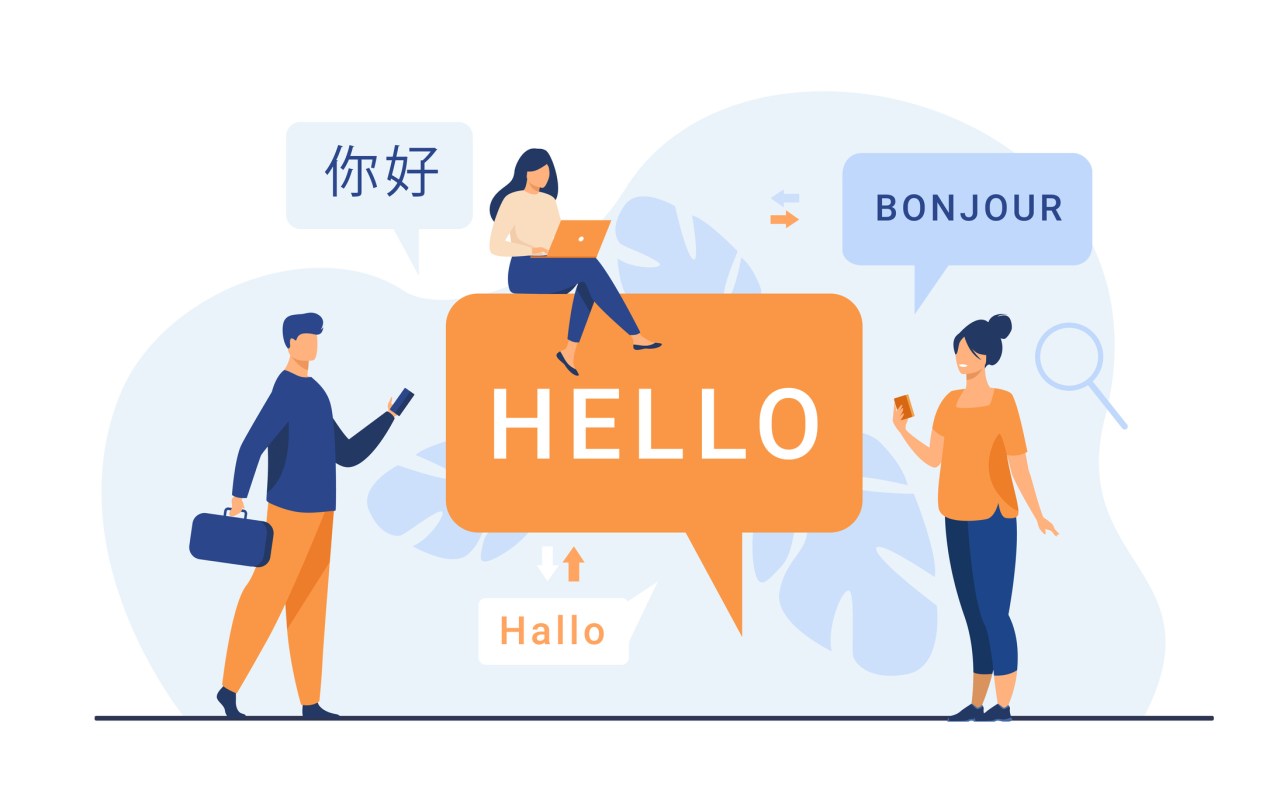
In an ever-globalizing world, overcoming language barriers has become more vital than ever. With the launch of SeamlessM4T, Meta is making significant strides in this area. This innovative AI model demonstrates an impressive ability to transcribe and translate almost 100 languages, setting a new benchmark for multilingual communication technologies. But what does this mean for us? Let’s dive deeper into the transformative aspects of this groundbreaking model and explore its implications for the future of language processing.
The Power of SeamlessM4T
Meta’s SeamlessM4T is not just another translation tool; it signifies a paradigm shift in AI-powered translation and transcription technology. One of the most remarkable features of this model is its capacity for real-time multilingual communication. According to Meta, “our single model provides on-demand translations that enable people who speak different languages to communicate more effectively.” This level of sophistication is further amplified by its ability to recognize source languages naturally, making the translation process more seamless compared to previous models that required separate identification systems.
Open Source and Data Considerations
In the spirit of collaboration, SeamlessM4T is available in open source, accompanied by a new translation dataset called SeamlessAlign. Meta compiled an extensive training dataset by scraping publicly available text and speech data from the internet—around tens of billions of sentences and an impressive 4 million hours of speech. However, this brings to light a complex ethical debate. While Meta asserts that this data is primarily open-source and licensed, the issue of using public data raises questions about rights and compensation, especially considering the ongoing lawsuits in the sector.
Comparative Landscape of AI Translation Tools
Meta is not alone in its ambition to break language barriers. Other tech giants like Google and startups such as OpenAI have also ventured into sophisticated translation solutions. Google, for example, is developing the Universal Speech Model aimed at understanding the world’s most commonly spoken languages. Meanwhile, Mozilla’s Common Voice project seeks to gather diverse speech samples for training automatic speech recognition algorithms. In this competitive landscape, Meta’s SeamlessM4T stands out for its unified approach to translation and transcription.
Limitations and Ethical Considerations
Despite the revolutionary potential of SeamlessM4T, there are noteworthy concerns surrounding biases. AI-powered translation systems are not immune to errors or biases that can manifest during translation. The reliance on extensive data may inadvertently introduce gender bias, geographical bias, or cultural insensitivity. Meta’s internal findings indicated that SeamlessM4T tends to overgeneralize masculine forms during translation when gender information is absent. This underscores the importance of vigilance in ensuring that AI systems are fair, equitable, and conscious of the diverse factors at play in human communication.
Balancing Efficiency with Human Touch
One significant aspect that Meta advises against is using SeamlessM4T for long-form translations or in legal and medical contexts. AI can generate translations that might appear accurate, but they often lack the nuances and emotional richness that human interpreters bring to the table. Mistranslations have real-world consequences, as illustrated by past inaccuracies that have led to legal complications. The challenge remains: how to harness the power of AI like SeamlessM4T while preserving the essential qualities of human translators.
The Future of Multilingual Communication
Meta aims to enhance communication capabilities globally, promoting a world where language is no longer a barrier but a bridge. The potential of SeamlessM4T to foster understanding among diverse populations is promising. However, it is essential to remain cautious and aware of the complexities involved in language translation. Will we attain true seamless translation, or will human expertise always hold a special place in communication? Only time will tell.
At fxis.ai, we believe that such advancements are crucial for the future of AI, as they enable more comprehensive and effective solutions. Our team is continually exploring new methodologies to push the envelope in artificial intelligence, ensuring that our clients benefit from the latest technological innovations.
For more insights, updates, or to collaborate on AI development projects, stay connected with fxis.ai.