
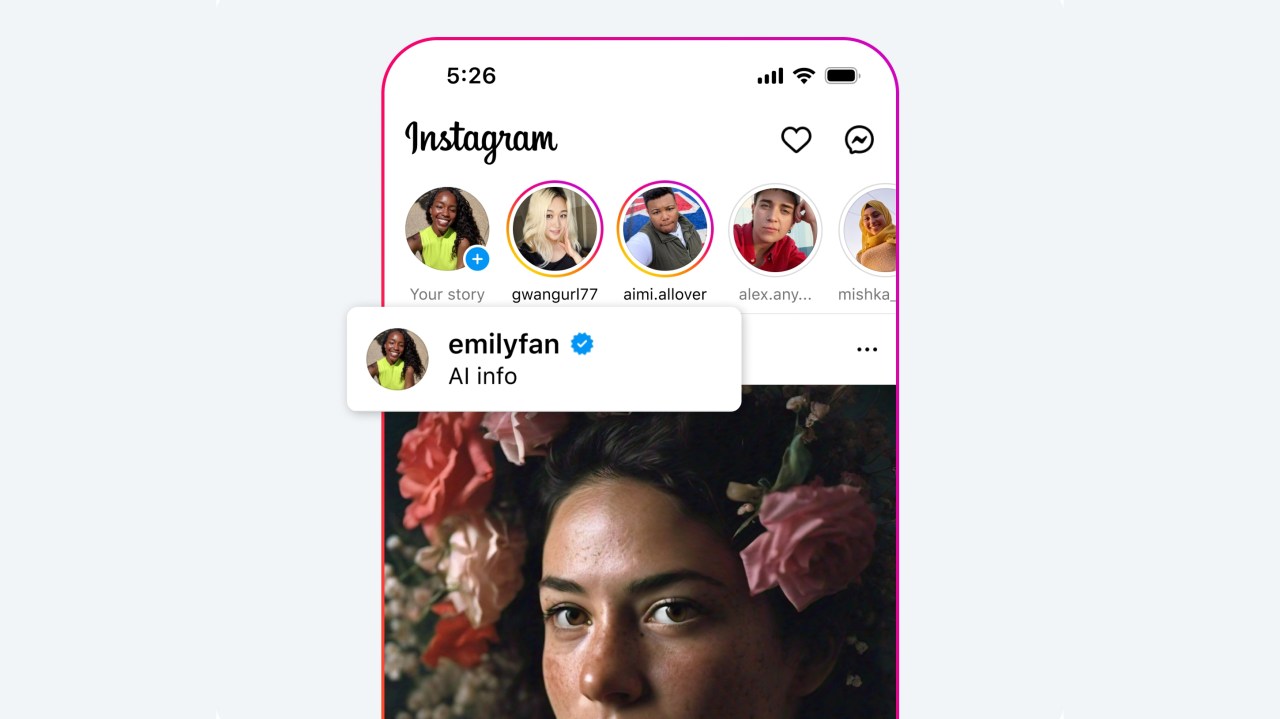
The digital world is in a constant state of evolution, and as new technologies emerge, so does the need for clear standards and transparent practices. Recently, Meta made headlines with its announcement to revise the labeling of AI-generated content from ‘Made with AI’ to ‘AI Info.’ This shift stems from user feedback highlighting confusion around the use of AI tools in photography. Let’s explore why this change is significant and what it means for photographers and audiences alike.
The Genesis of a Controversy
In May, Meta introduced the label ‘Made with AI’ as part of its effort to embrace artificial intelligence in photography. The intent was to acknowledge the role AI played in creating or editing images. However, photographers quickly voiced their frustrations, arguing that the label often applied to photos that had undergone minimal enhancements using standard editing tools rather than being largely AI-generated.
- User Confusion: Many users were left wondering whether their photographs were being categorized fairly, leading to misunderstandings about what constitutes an AI-created image.
- Labeling Challenges: The challenges stem from the fine line between minor edits that utilize AI and images created from scratch using generative capabilities. Photographers felt unfairly pigeonholed by a label that didn’t fully capture the nuances of their work.
The New ‘AI Info’ Label: What Changes?
In response to this uproar, Meta’s updated label, ‘AI Info,’ aims to provide a broader context. Here’s what you need to know about this change:
- Clarity of Use: The label ‘AI Info’ conveys that the content may have been created or edited with AI tools but does not imply complete AI authorship.
- Consistent Usage of Standards: Meta will continue to lean on technical metadata standards like C2PA and IPTC to inform the AI labeling process. However, it recognizes that users need more context.
- Increased Understanding: The hope is that this new label will align with public expectations and eliminate confusion about the extent to which AI is involved in photo manipulation.
Industry-Wide Implications
This transition is not just significant for Meta but resonates across the photography and technology industries. As AI tools become increasingly integrated into our creative workflows, companies must better communicate their functionalities to users. Moreover:
- Guidelines in Development: Social network platforms need to collaboratively create guidelines that support fair representation for photographers who use generative AI features in their editing processes.
- A Call for Transparency: So that photographers are fully informed about how certain tools may affect the labeling of their images, companies like Adobe must ensure they provide adequate warnings or context regarding their tools.
Conclusion: Navigating the Future of AI in Photography
The evolution from ‘Made with AI’ to ‘AI Info’ reflects a greater understanding of the complexities that surround AI in photography. For the photography community, this change represents an opportunity for deeper dialogue about the nature of digital images and the tools that shape them. While the new label does not provide a perfect solution to the existing challenges, it is a step in the right direction for transparency.
At fxis.ai, we believe that such advancements are crucial for the future of AI, as they enable more comprehensive and effective solutions. Our team is continually exploring new methodologies to push the envelope in artificial intelligence, ensuring that our clients benefit from the latest technological innovations.
For more insights, updates, or to collaborate on AI development projects, stay connected with fxis.ai.