
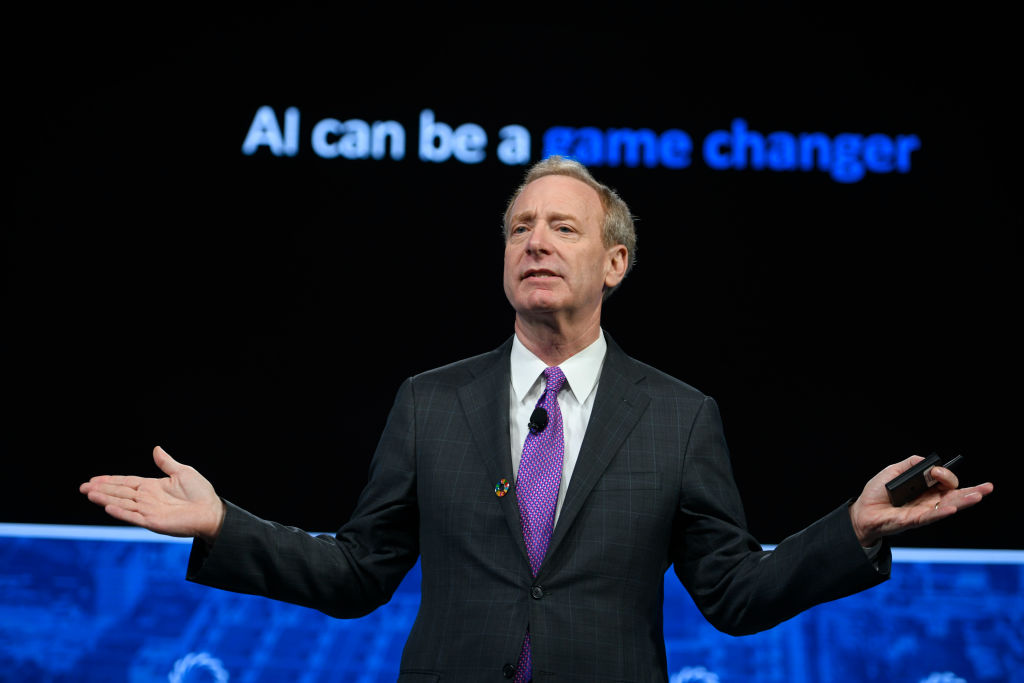
As the artificial intelligence landscape continues to evolve rapidly, big players have to adapt to regulatory scrutiny and competition concerns. Microsoft, a giant in the tech arena, is making strides to address these worries with its recently unveiled “AI Access Principles.” This eleven-point framework aims to reassure stakeholders that the company’s significant investment in OpenAI won’t stifle competition within the burgeoning AI sector. Announced at the Mobile World Congress in Barcelona, Brad Smith, Microsoft’s president and vice chair, outlined this initiative as a way to operate responsibly in an increasingly complex AI ecosystem.
Understanding the AI Access Principles
The AI Access Principles play a crucial role in promoting transparency and fairness in how Microsoft operates its AI datacenter infrastructure. The framework outlines various commitments aimed at ensuring that third parties can still develop competitive AI products without fear of misappropriation or monopolization. Here are some key highlights from this initiative:
- Flexible AI App Store: Microsoft plans to develop an app store that will allow businesses to explore different large language models (LLMs) and AI products, promoting choice and flexibility in the AI landscape.
- Your Data, Your Control: A specific commitment was made to guarantee that client data won’t be used to train Microsoft’s models, thereby preventing any conflicts of interest or competitive misuse.
- Cloud Transition Options: A commitment to enable customers to shift between cloud providers and services, ensuring that businesses aren’t locked into a single infrastructure.
- Cybersecurity and Sustainability: Microsoft is setting standards to improve cybersecurity around AI services while also prioritizing environmentally sustainable practices in building data centers.
- Investing in Education: The principles emphasize investing in education to enhance understanding and capabilities around AI for all stakeholders.
The Implications of the AI Access Principles
While it’s important to note that these principles are not legally binding, their introduction is largely a strategic move by Microsoft in light of mounting regulatory scrutiny. European competition authorities are assessing whether Microsoft’s investment in OpenAI, which amounts to a 49% stake, raises any antitrust issues.
By laying out these principles, Microsoft is positioning itself as an advocate for competition in the AI marketplace. As Smith noted, an impressive 1,600 AI models are currently operational in Microsoft’s data centers, with 1,500 of those being open-source—all indicative of the company’s commitment to fostering an inclusive environment for both proprietary and open-source technologies.
Building Trust Through Transparency
The timing of this announcement is critical. By proactively discussing its AI strategies and commitments at such a public forum as MWC, Microsoft aims to cultivate trust among stakeholders, which could potentially stave off further regulatory actions. Although the presentation was delivered without a Q&A session, the intentions behind the principles are clear: to open the pathway for collaboration and discussion while addressing competition concerns.
Conclusion: A Step Towards Responsible AI Development
Microsoft’s AI Access Principles mark a significant attempt to navigate the complexities surrounding AI innovation and competition. As generative AI continues to shape business landscapes from finance to healthcare, it’s essential that technology companies adopt practices that encourage growth and collaboration in a competitive environment. Based on their commitments outlined in these principles, Microsoft is aspiring not only to be a leader in AI technology but also a responsible steward for an equitable AI marketplace.
At fxis.ai, we believe that such advancements are crucial for the future of AI, as they enable more comprehensive and effective solutions. Our team is continually exploring new methodologies to push the envelope in artificial intelligence, ensuring that our clients benefit from the latest technological innovations.
For more insights, updates, or to collaborate on AI development projects, stay connected with fxis.ai.