
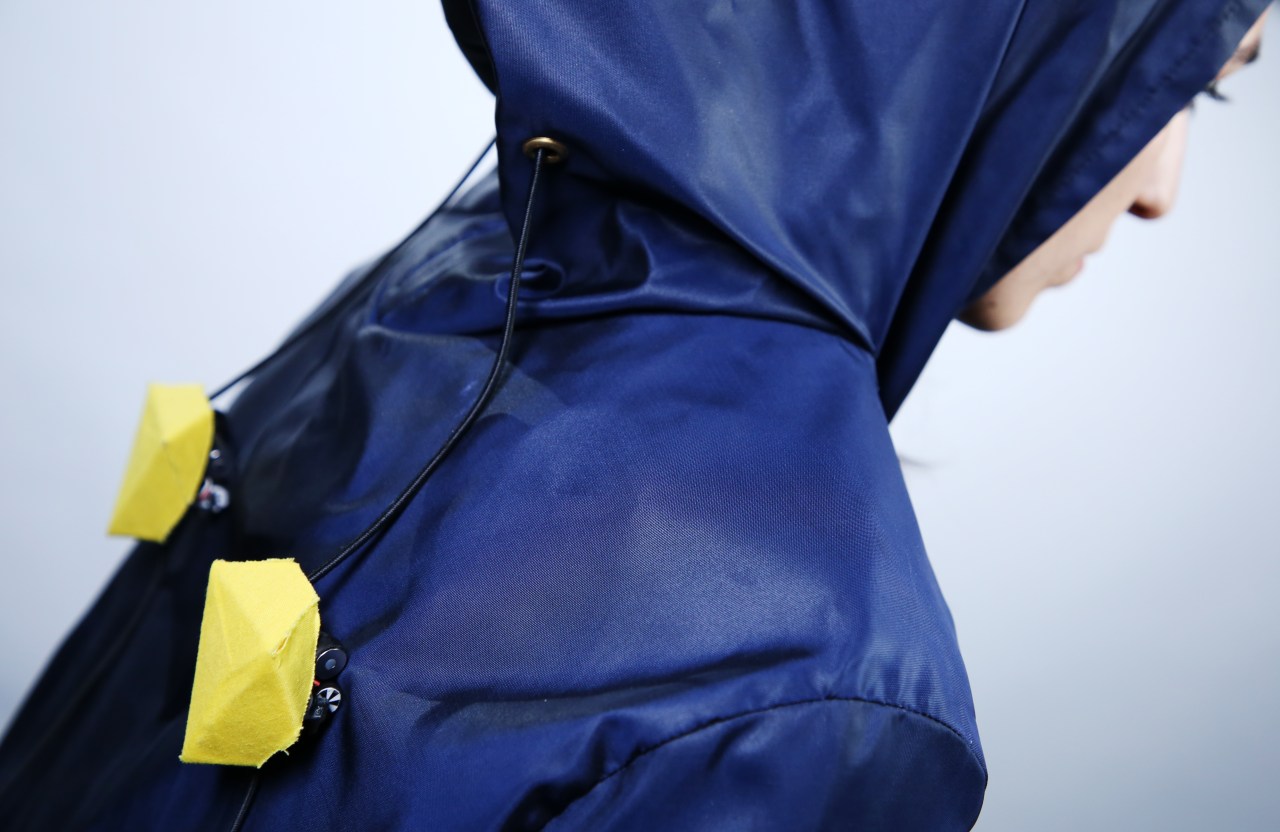
In a world where fashion meets technology, MIT’s latest innovation is turning heads—quite literally. Project Kino, a trailblazing initiative within the MIT Media Lab, is redefining the way we view wearable technology by designing robotic companions that not only adorn our outfits but also serve as personal assistants. Inspired by the concept of ‘living jewelry,’ this project seeks to bridge the gap between art, functionality, and cutting-edge technology.
The Concept Behind Project Kino
Project Kino was inspired by various cultural practices that feature adorned insects or decorative elements from nature. The unique aspect of MIT’s approach is the use of palm-sized robots that attach to clothing through magnets. These tiny companions are not merely decorative; they come equipped with a range of potential functions that could transform our interaction with fashion and technology.
Functions of the Kinetic Robots
- Kinetic Patterns: At the heart of Project Kino is the idea of kinetic movement. The robots can change patterns on garments, providing an ever-evolving statement piece that adapts to the wearer’s style.
- Etching Capabilities: Beyond aesthetics, the robots can create visible patterns on clothing as they move, adding an interactive element to wearable designs.
- Modular Features: Future iterations foresee the incorporation of modular designs, allowing users to customize the capabilities of each robot. Imagine a raincoat that adjusts its hood with embedded temperature sensors or a robot that hovers closer when a phone call comes in, functioning as a mobile interface.
- Haptic Feedback: The robots are also expected to provide notifications, with one moving to your wrist to indicate a new message or call, making them a seamless extension of your daily tech.
Overcoming Challenges
Despite the exciting potential, the team faces several challenges. Currently, the size of the robots restricts their practicality; they are too large to blend naturally into typical outfits. Additionally, battery life represents a critical issue, with current models lasting only about 45 minutes per charge. However, the team is actively exploring solutions, including wireless charging options integrated into clothing, allowing the robots to recharge while remaining in place.
Design Enhancements and Cultural Reception
Recognizing that aesthetics play a pivotal role in the acceptance of wearable technology, the team collaborated with designers to elevate the visual appeal of their robots. Team member Cindy Hsin-Liu Kao noted the initial ‘creepy’ perceptions surrounding the project, which inspired a thoughtful redesign effort aimed at fostering a more positive reception. The goal is to create robots that not only serve a purpose but also enhance the overall beauty of fashion.
A Future Filled with Possibilities
As the technology evolves, the vision for wearable robots extends far beyond mere decoration. They’re envisioned to learn user habits and personal styles, leading to a future where these kinetic companions feel like natural parts of our everyday lives. Imagine a world where your clothing adapts not just to display patterns but to assist you in your daily routines.
Conclusion
Project Kino represents an exciting intersection of fashion, technology, and personal utility. As we stand on the brink of this new realm of wearables, the possibilities are captivating. MIT’s endeavor to create not only functional but also visually appealing robotic companions signifies a leap towards a future where our clothing and technology are intricately intertwined.
At fxis.ai, we believe that such advancements are crucial for the future of AI, as they enable more comprehensive and effective solutions. Our team is continually exploring new methodologies to push the envelope in artificial intelligence, ensuring that our clients benefit from the latest technological innovations. For more insights, updates, or to collaborate on AI development projects, stay connected with fxis.ai.