
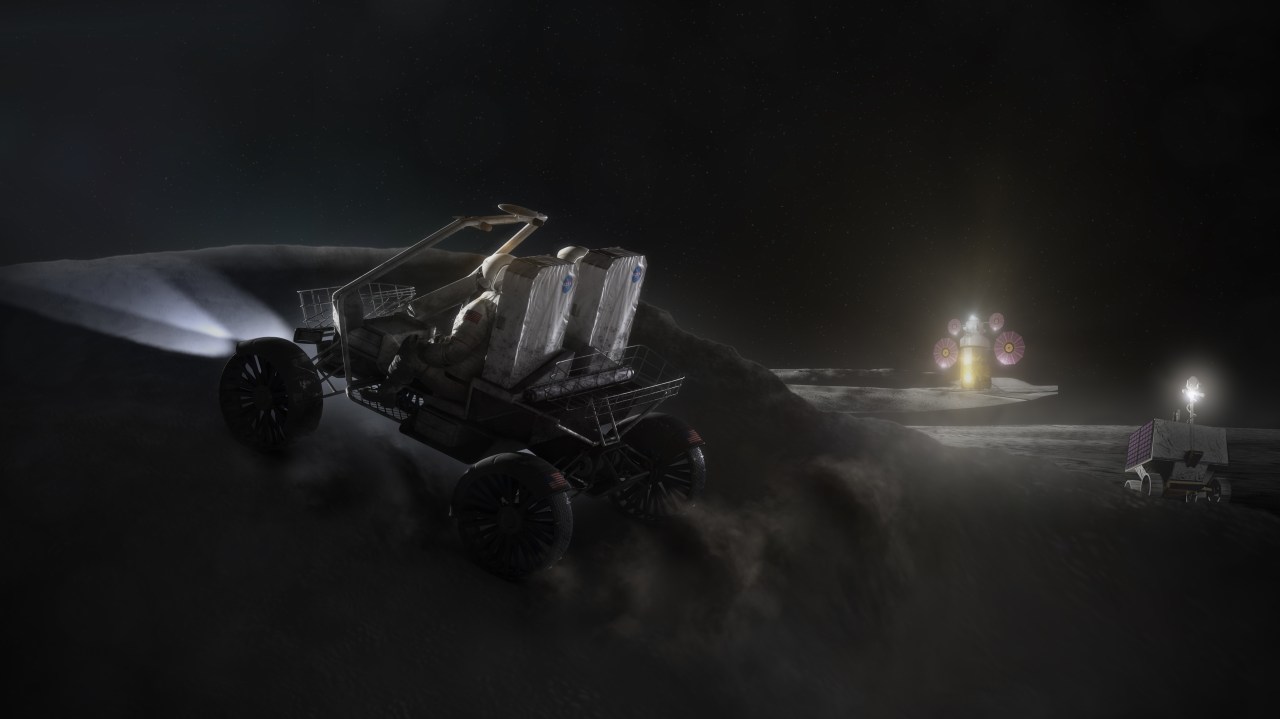
As humanity sets its sights on the lunar South Pole, NASA has recognized the pressing need for groundbreaking innovation in extraterrestrial exploration. In its latest endeavor under the Artemis program, NASA is seeking collaboration from a diverse array of industries to reimagine what lunar rovers should look like. The quest to design vehicles that will not only traverse but enhance our understanding of the Moon’s surface is now an open stage for vehicle manufacturers, tech companies, and visionary startups to contribute.
The Artemis Program: Paving the Way for Human Exploration
The Artemis program represents a bold mission to return humans to the Moon, including the historic involvement of the first woman and the next American man. This ambitious project aims not just to plant flags but also to push the boundaries of exploration. By utilizing lunar rovers, astronauts will have the freedom to explore beyond their landing sites, with enhanced capabilities to gather data and conduct experiments that could change our understanding of the solar system.
Robotic vs. Human-Driven Rovers: Dual Approaches to Exploration
NASA has outlined two distinct categories for proposals through Requests for Information (RFI). The first seeks innovative ideas for autonomous robotic rovers, designed for automated exploration. This is an exciting opportunity for tech firms specializing in robotics, artificial intelligence, and even those from the autonomous vehicle space. These robotic explorers are envisioned to reach areas that may be hazardous for humans, thereby augmenting our exploratory missions.
On the flip side, the second RFI targets concepts for a lunar terrain vehicle (LTV) tailored for human use. Specifically, NASA seeks vehicles that can be operated by astronauts clad in pressurized suits — open-top designs that prioritize safety while providing the maneuverability needed for effective exploration. This invites vehicle manufacturers and automotive experts to think creatively about user interaction and vehicle functionality in an extraterrestrial environment.
Who Can Contribute? A Diverse Pool of Talent
Nasa is casting a wide net for potential contributors. Companies engaged in diverse vehicle production, from electric to all-terrain vehicles, are invited to share their insights. The inclusion of autonomous car technology suggests a readiness to integrate advanced mobility solutions into lunar exploration. By extending this invitation to innovative startups beyond traditional space agencies, NASA aims to tap into fresh ideas that could transform lunar travel.
The Importance of Collaboration
The upcoming virtual industry forum is a crucial platform where potential contributors can clarify their doubts and share ideas before submissions are due. The timeline is tight: proposals for the LTV rover must be submitted by February 26, while the robotic rover RFI is open until March 6. This approach not only reflects NASA’s commitment to fostering partnerships but also hints at the potential development of commercial partnerships for rovers used in future lunar missions, paralleling their earlier successes with lunar landers.
Conclusion: A New Frontier Awaits
The call for lunar rover concepts not only emphasizes the technological advancements in vehicle design but also marks a significant step toward sustainable human presence on the Moon. As NASA gears up for this next chapter of space exploration, the potential for collaboration with diverse sectors could redefine the way we explore celestial bodies.
At fxis.ai, we believe that such advancements are crucial for the future of AI, as they enable more comprehensive and effective solutions. Our team is continually exploring new methodologies to push the envelope in artificial intelligence, ensuring that our clients benefit from the latest technological innovations.
For more insights, updates, or to collaborate on AI development projects, stay connected with fxis.ai.