
The evolution of the automotive industry is witnessing a paradigm shift, thanks to advancements in autonomous driving technologies. Among the trailblazers in this domain is Nauto, a Palo Alto-based company that is reimagining the future of vehicle safety and self-driving capabilities. With a recent funding round of $159 million, led by SoftBank and supported by prominent investors like Reid Hoffman at Greylock, Nauto is on a fast track towards enhancing its autonomous driving data platform. Let’s delve into how Nauto is steering its innovative journey and what it means for the world of transportation.
A New Approach to Vehicle Data Collection
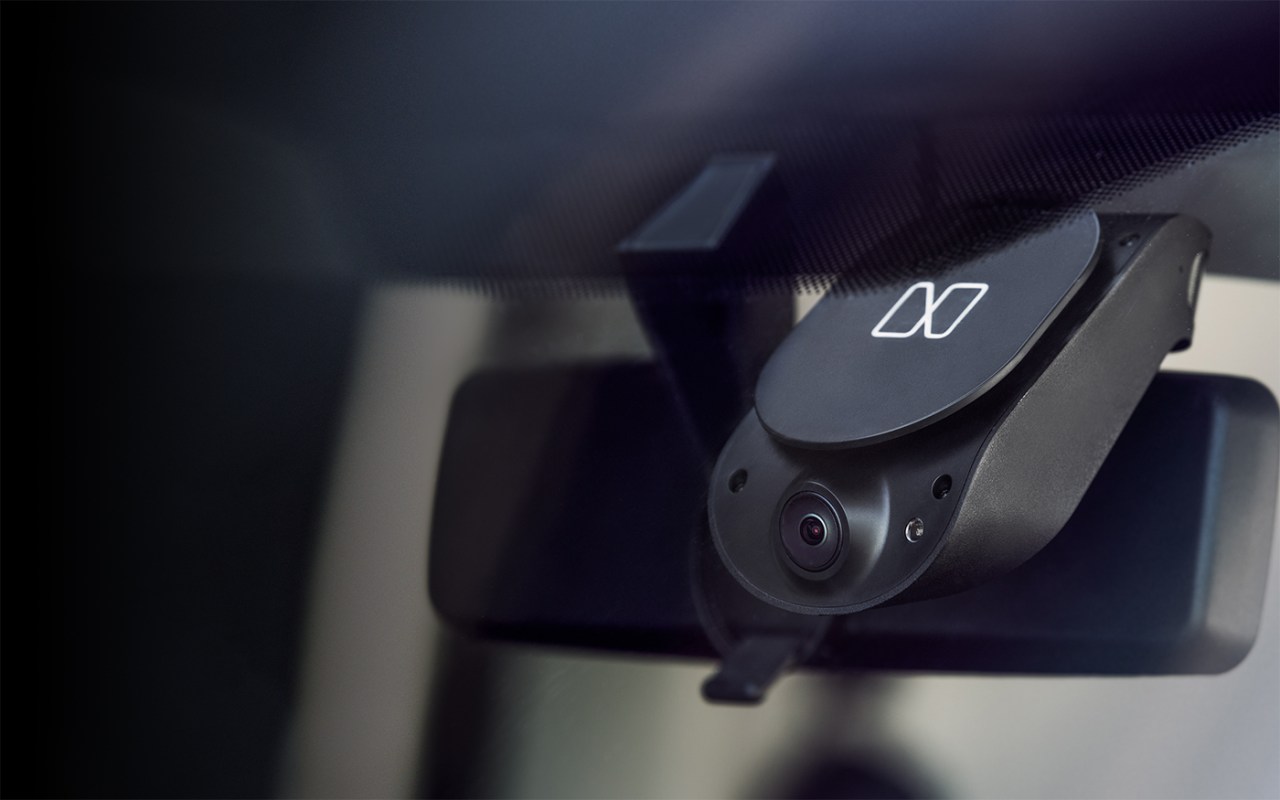
Nauto’s strategy revolves around retrofitting existing vehicle fleets with smart, networked devices that come equipped with safety cameras. By capturing and analyzing data on human drivers’ behaviors, Nauto is addressing immediate safety concerns while building an invaluable dataset that is crucial for the advancement of autonomous driving. This dual purpose is a significant factor that has attracted various automakers to invest in the company, including General Motor Ventures, Toyota AI Ventures, and BMW iVentures.
The Importance of Data in Autonomous Driving
At the heart of Nauto’s success is its ability to gather extensive data on real-world driving behavior. SoftBank’s CEO, Masayoshi Son, emphasizes the potential of this dataset, recognizing it as a massive contributor to progressing self-driving technology. For sustainable growth in autonomous vehicle technology, robust datasets showcasing diverse driving experiences are essential, providing insights into optimal driver behavior and safety practices.
Innovative Technology Underpinning Nauto
Nauto’s technological innovation stems from its dual-camera design, where one camera monitors the driver from within the vehicle, while the other tracks the external environment. This forward-thinking approach leverages deep learning and computer vision methodologies to process data in the cloud. Consequently, Nauto can offer constructive insights and coaching services to combat various factors like driver distraction and fatigue, thus enhancing road safety.
Cost-Effective Solutions for Fleet Operators
A significant advantage of Nauto’s offering is its affordability. The hardware necessary for installation is relatively inexpensive, simplifying integration into existing fleets. This positions Nauto favorably within the market, as fleet operators can experience immediate returns on their investment. By providing a low-friction, cost-effective solution, Nauto addresses one of the critical challenges in deploying autonomous driving technology: volume.
Future Outlook and Industry Impact
With the latest funding fueling Nauto’s efforts, the company is well on its way to accelerating data collection, generating billions of miles of real driving experience. The implications of this endeavor extend beyond just enhanced safety measures; the accumulation of this data will be instrumental in shaping the autonomous vehicles of tomorrow. As Nauto continues to evolve, the automotive industry will likely witness substantial changes in terms of vehicle safety, driver assistance, and eventually, fully autonomous driving capabilities.
Conclusion
Nauto stands at the forefront of a transformative era in the automotive landscape. By blending immediate practical solutions for fleet operators with a long-term vision for autonomous vehicle technology, Nauto is not only improving current driving experiences but also paving the way for future innovations. As they progress, it’ll be fascinating to see how their extensive dataset can influence the evolution of safer and smarter vehicles.
For more insights, updates, or to collaborate on AI development projects, stay connected with fxis.ai. At fxis.ai, we believe that such advancements are crucial for the future of AI, as they enable more comprehensive and effective solutions. Our team is continually exploring new methodologies to push the envelope in artificial intelligence, ensuring that our clients benefit from the latest technological innovations.