
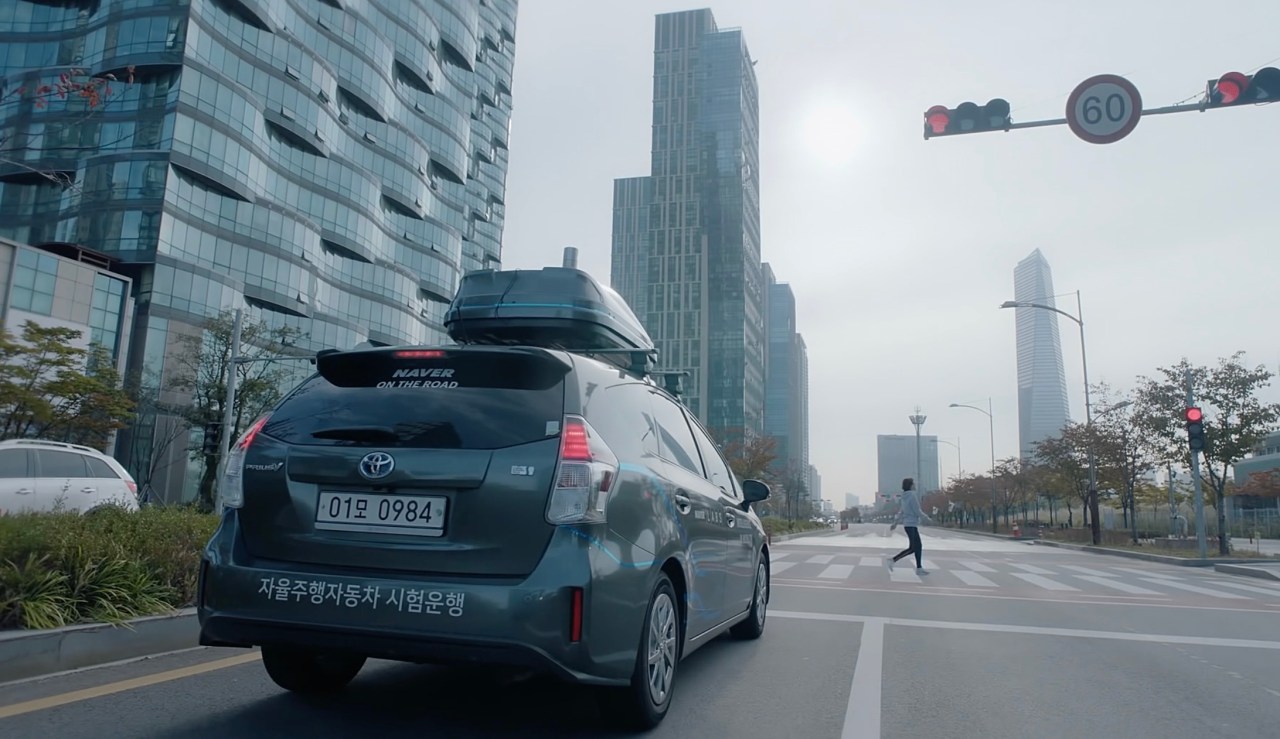
In an era where technology evolves at a breakneck pace, South Korean internet behemoth Naver is poised to make significant strides in the realm of autonomous vehicles. With their impending tests on public roads, this venture underscores Naver’s commitment to integrating cutting-edge technology into the everyday lives of citizens, enhancing not just mobility but also the sheer amount of data gleaned from these advances.
The Road to Approval
Naver has reached the final stages of securing the necessary approvals from Korea’s top transportation regulator, and anticipates beginning their self-driving vehicle tests shortly. This initiative solidifies their position among tech giants chasing the next frontier of artificial intelligence, as they seek to enhance their user experience across various platforms, including Korea’s largest mapping service.
Riding the Data Wave
One of the most compelling aspects of Naver’s autonomous vehicle initiative is its alignment with the company’s broader ambition of harnessing data. As the spokesperson highlighted, “In the era of autonomous, the vehicle itself will become a platform for exchanging information.” This perspective resonates deeply with their vision of creating a more interconnected world, where the vehicles on our roads not only transport us but also serve as conduits for information and interaction.
Progression to Full Autonomy
Naver has announced it is currently developing Level 3 autonomous driving technology. This level still necessitates a human driver ready to retake control when required. However, the goal is to escalate efforts towards Level 4, where vehicles can independently drive themselves without human oversight. This technological progression is backed by a hefty investment of $425 million dedicated to research and development in AI and robotics, signaling Naver’s serious commitment to leading this innovative charge.
Collaborative Efforts and Industry Positioning
The journey to successful autonomous vehicle integration will not be a solitary one for Naver. Like other tech firms entering this space, they are keen on forming partnerships with various stakeholders to bolster their research and development endeavors. Although they have yet to reveal specifics on commercialization timelines, aligning with existing automotive giants could pave the way for rapid advancements and market presence.
Embracing the Future of Mobility
As Naver gears up for testing on public roads, it joins an expanding roster of automakers and research organizations approved for similar trials. If successful, they can proceed to explore commercial applications, mirroring moves made by industry leaders like Waymo. This horizontal expansion into self-driving technology aligns seamlessly with Naver’s strategy of ensuring relevance in the daily digital experiences of users.
Conclusion: A New Era for Transit
The emergence of self-driving technology heralds a transformative era for transportation, promising enhanced safety, efficiency, and user experience. Naver’s endeavor to enter this competitive domain is a clear indication that the South Korean tech landscape is evolving. By prioritizing AI-driven transport, Naver aims not only to compete with global players but also to redefine the connectivity that underpins their expansive digital ecosystem.
At fxis.ai, we believe that such advancements are crucial for the future of AI, as they enable more comprehensive and effective solutions. Our team is continually exploring new methodologies to push the envelope in artificial intelligence, ensuring that our clients benefit from the latest technological innovations.
For more insights, updates, or to collaborate on AI development projects, stay connected with fxis.ai.