
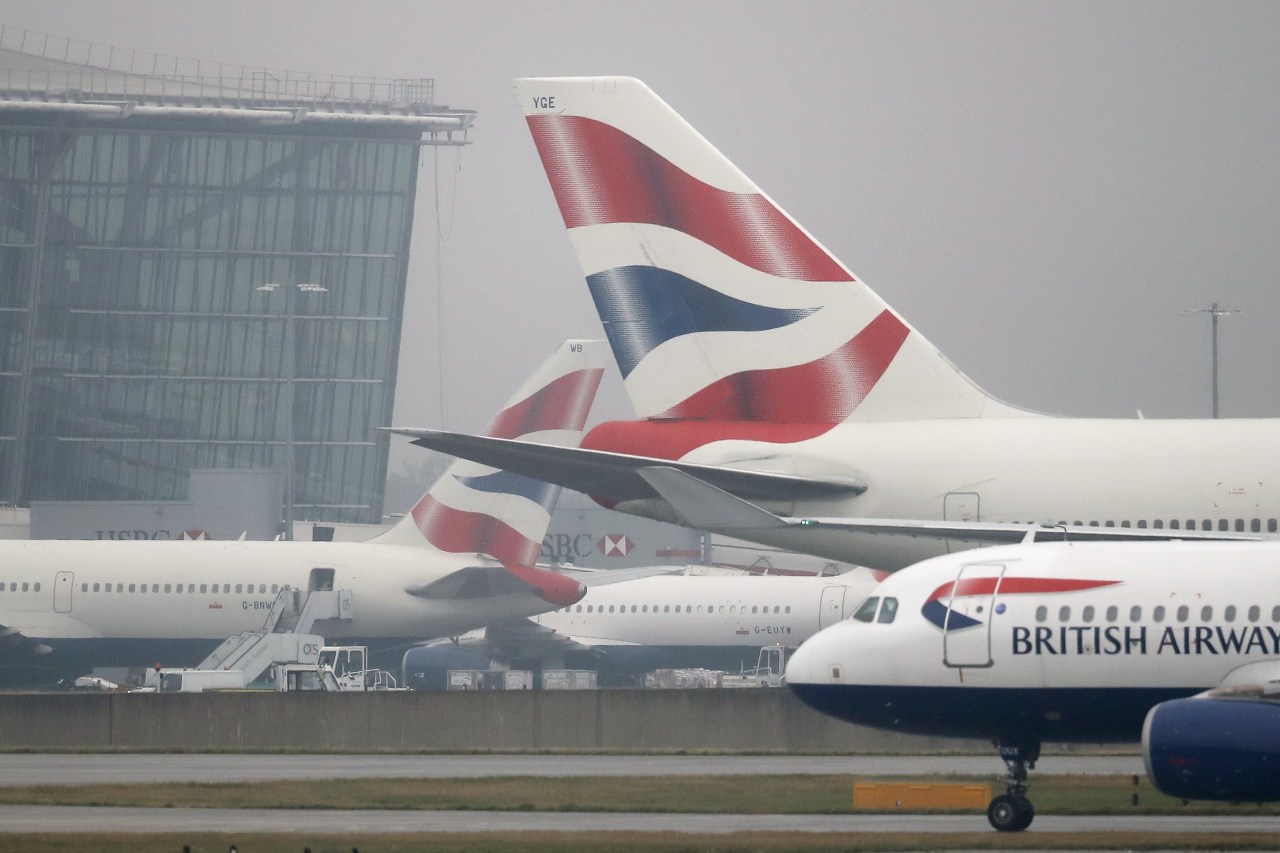
As the drone technology landscape continues to evolve, so too does the regulatory environment in which these unmanned devices operate. In a significant policy shift, the UK’s Department for Transport has announced plans to extend drone ‘no-fly’ zones to a 5-kilometer radius around airport runways, set to take effect on March 13, 2019. This measure comes as authorities respond to growing concerns about drone misuse, particularly in locations critical to public safety, like airports. Let’s delve deeper into what this means for drone operators and aviation security.
The Necessity of Extended No-Fly Zones
The previous 1-kilometer exclusion zone was deemed inadequate, particularly in light of multiple incidents, including the notorious Gatwick Airport shutdown just before Christmas. The Gatwick incident served as a wake-up call, highlighting the potential hazards posed by drones in the vicinity of busy air traffic hubs. By increasing the no-fly radius, authorities aim to mitigate risks associated with drone flights, thereby enhancing the safety and security of both passengers and airport operations.
Legal Consequences for Non-Compliance
With the new regulations, the stakes for drone operators have never been higher. Individuals caught flying drones within the newly designated no-fly zones could face hefty fines and, in severe cases, imprisonment. Transport Secretary Chris Grayling put it succinctly: “The law is clear that flying a drone near an airport is a serious criminal act.” The message is clear; ignorance of the rules will not be tolerated, and the government seeks to raise awareness about the legal ramifications associated with drone use.
Encouraging Responsible Drone Usage
To further promote responsible drone operation, the government has partnered with the online retailer Jessops to launch a national awareness campaign aimed at informing the public about the updated regulations. This initiative reflects a broader commitment to educating drone operators about their responsibilities and the potential risks associated with ignoring safety protocols.
Future Legislative Measures and Policing Powers
In line with the push for stricter regulations, a new Drones Bill is in the works, aiming to empower law enforcement to take action against individuals flying drones maliciously. Police officers will be granted the authority to stop and search suspected drone operators, particularly near airports or at altitudes exceeding 400 feet. Additionally, the Bill will offer law enforcement the power to access electronic data from drones with a warrant, enhancing their ability to investigate misuse cases effectively.
Technological Innovations in Response to Challenges
As regulations tighten, drone manufacturers are also stepping up their game. For instance, DJI has announced improvements to its geofencing systems, which involve stricter and more nuanced restrictions around airports and other sensitive locations. This proactive approach is crucial, especially as drone technology continues to advance rapidly, potentially outpacing regulatory measures.
Conclusion: A Collaborative Approach to Airspace Safety
The expansion of drone no-fly zones in the UK represents a vital step towards safeguarding the aviation sector and maintaining public safety. As authorities and manufacturers work together to create a responsive framework for drone use, the importance of responsible flying cannot be overstated. Operators must remain informed about regulations to prevent legal repercussions and contribute positively to this exciting field of technology.
At **[fxis.ai](https://fxis.ai/edu)**, we believe that such advancements are crucial for the future of AI, as they enable more comprehensive and effective solutions. Our team is continually exploring new methodologies to push the envelope in artificial intelligence, ensuring that our clients benefit from the latest technological innovations. For more insights, updates, or to collaborate on AI development projects, stay connected with **[fxis.ai](https://fxis.ai/edu)**.