
Indoor navigation has emerged as a revolutionary frontier for enhancing passenger experience in complex venues like airports and shopping malls. Among the pioneers leading the charge is Gatwick Airport in the UK, the second-busiest airport in the country, which has embarked on a transformative initiative to enhance its navigation capabilities. With the installation of 2,000 Bluetooth beacons, Gatwick aims to craft a seamless and user-friendly indoor navigation experience for all travelers.
The Beacon Revolution
Traditionally, finding your way around large indoor environments can feel akin to being lost in a labyrinth. While GPS technology reigns supreme for outdoor navigation, its limitations indoors—especially in complex structures—have created a need for enhancements. Gatwick’s decision to adopt a beacon-based indoor navigation system exemplifies how smart technology can bridge this gap.
These battery-powered beacons emit Bluetooth signals that support users in pinpointing their locations with impressive accuracy—within ±3 meters. This innovative technology allows smartphones and devices to receive location-locked pings, transforming the way passengers orient themselves in the bustling airport environment.
Augmented Reality Wayfinding
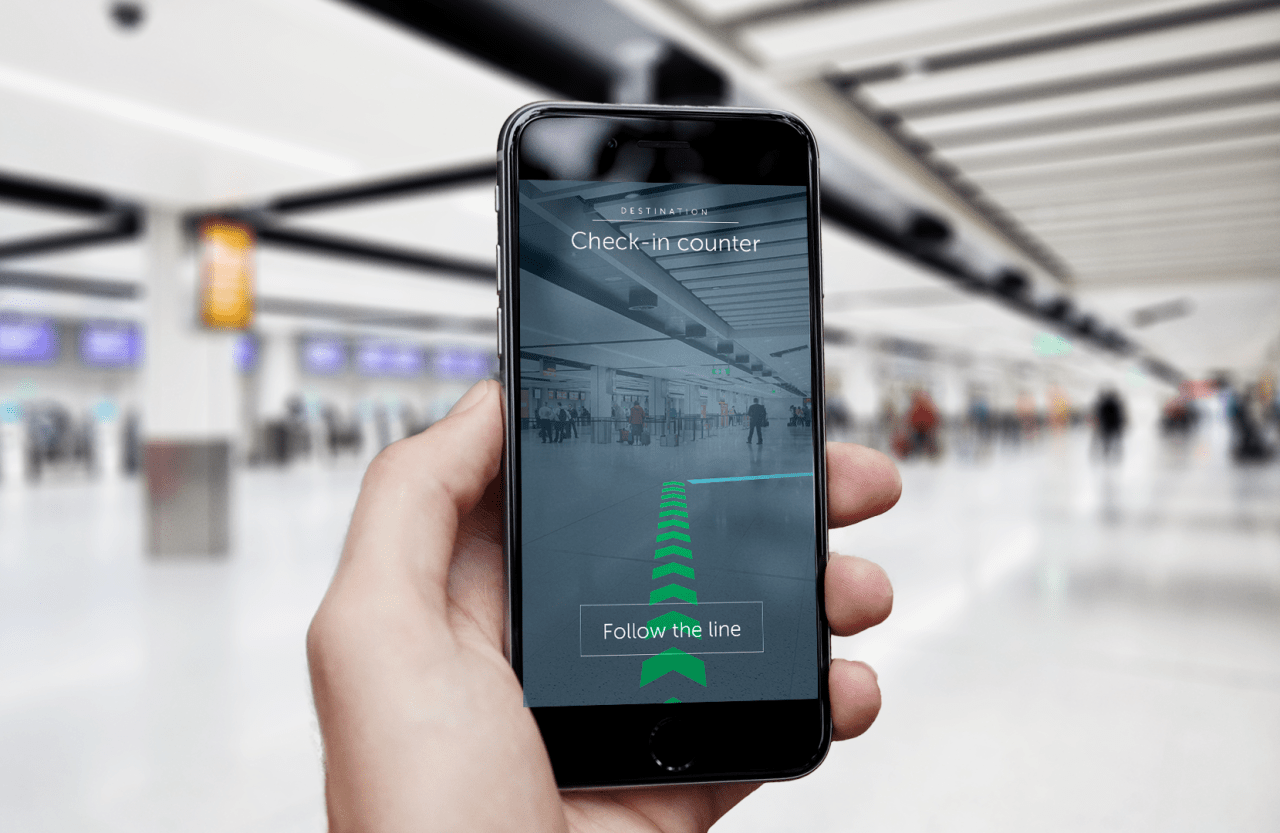
One of the standout features of Gatwick’s system is the integration of augmented reality (AR) into its user experience. As travelers navigate the terminals, they will be greeted by on-screen arrows leading them to their intended destinations, thus merging digital innovation with real-world interactions. By simply looking at their smartphones, passengers can visualize their route, eliminating potential confusion in an otherwise hectic space.
Empowering Airlines and Retailers
Gatwick’s ambitious indoor navigation project doesn’t stop at passenger navigation; it opens up a world of possibilities for airlines and retailers. By collaborating with airlines on apps utilizing indoor positioning data, the airport can offer timely push notifications—such as alerts for late departures—which can significantly enhance operational efficiency.
Furthermore, retailers have an opportunity to engage with potential customers through proximity detection and personalized marketing messages. However, it’s pertinent to note that Gatwick has committed to protecting passenger privacy by refraining from collecting personal data via the beacons. Instead, they aim to use aggregated data to understand people densities, significantly improving operational workflows, reducing congestion, and optimizing passenger flow within the terminals.
Partnership with Innovation
The success of this endeavor has been bolstered by Gatwick’s collaboration with the UK-based startup Pointr, which has provided not just the necessary technology, but also software support, an SDK for third-party developers, and ongoing management of the system. This partnership underscores the strength of innovation-driven collaborations in pushing advancements that benefit the consumer experience.
Conclusion: A New Era in Travel
As Gatwick Airport continues to roll out its smart navigation system, it is setting a benchmark for others in the industry. This multi-faceted approach, leveraging beacon technology and augmented reality, not only enhances the passenger experience but also paves the way for operational improvements. With digital transformation in aviation at the forefront, it’s exciting to envision how other airports might follow suit.
At fxis.ai, we believe that such advancements are crucial for the future of AI, as they enable more comprehensive and effective solutions. Our team is continually exploring new methodologies to push the envelope in artificial intelligence, ensuring that our clients benefit from the latest technological innovations. For more insights, updates, or to collaborate on AI development projects, stay connected with fxis.ai.