
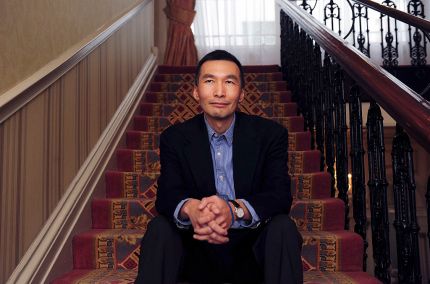
The world of hiring is undergoing a seismic shift. With the rise of technology and the pressing need for companies to find the right talent swiftly and effectively, traditional hiring methods are being scrutinized and re-evaluated. One innovative solution to this longstanding issue comes from Tigran Sloyan, co-founder and CEO of CodeSignal. In a recent discussion on the Found podcast, Sloyan explored how CodeSignal is tackling the talent gap and addressing inherent biases in the hiring process.
The Flaws of Old Hiring Methods
In an era where resumes often reign supreme, Sloyan argues that this method is outdated and insufficient. Resumes can be misleading, filled with buzzwords and information that may not accurately represent a candidate’s true abilities. Many qualified individuals are overlooked simply because they don’t fit a well-worn mold. By shedding light on these issues, Sloyan points to the need for a transformative approach in evaluating talent based on skills rather than traditional measures.
AI: The Game Changer in Hiring
Artificial intelligence (AI) is at the forefront of CodeSignal’s mission. Sloyan highlights how AI-driven assessments can provide a richer, more nuanced view of a candidate’s capabilities. These assessments can be tailored to reflect real-world scenarios that candidates might face in their prospective roles. By tapping into AI, CodeSignal is working not just to identify talent but also to prioritize and enhance the skills that employers actually need.
- Mitigating Bias: One of the most compelling advantages of AI in hiring is its potential to reduce bias. By analyzing performance in skills assessments rather than demographic information, CodeSignal aims to level the playing field for all candidates.
- Closing the Talent Gap: With over 55% of job seekers facing a skills gap, the need for innovative hiring solutions is critical. AI assessments cut through the barriers, enabling employers to identify candidates who demonstrate potential rather than merely resting on their academic credentials.
The Rising Skill-Based Assessment Economy
As our economies become increasingly reliant on specialized skills, the concept of skill-based assessments is gaining traction. Sloyan’s insights suggest a shift towards a more comprehensive understanding of talent, one that values practical skills and real-world problem-solving over traditional qualifications. This evolution in the hiring landscape can significantly impact how information is presented in education and training systems.
The idea of a skill-based economy resonates especially well among younger individuals. Imagine if high school students were assessed based on their problem-solving capabilities and technical skills rather than GPA alone. Such changes could pave the way for a more capable and diverse workforce.
Concluding Thoughts: The Future of Hiring
With pioneers like Tigran Sloyan driving the conversation about modern hiring methods, the future seems promising. By placing emphasis on relevant skills and employing advanced AI technologies, organizations can bridge the talent gap and ensure they assemble diverse teams that foster innovation and growth.
At fxis.ai, we believe that such advancements are crucial for the future of AI, as they enable more comprehensive and effective solutions. Our team is continually exploring new methodologies to push the envelope in artificial intelligence, ensuring that our clients benefit from the latest technological innovations. For more insights, updates, or to collaborate on AI development projects, stay connected with fxis.ai.