
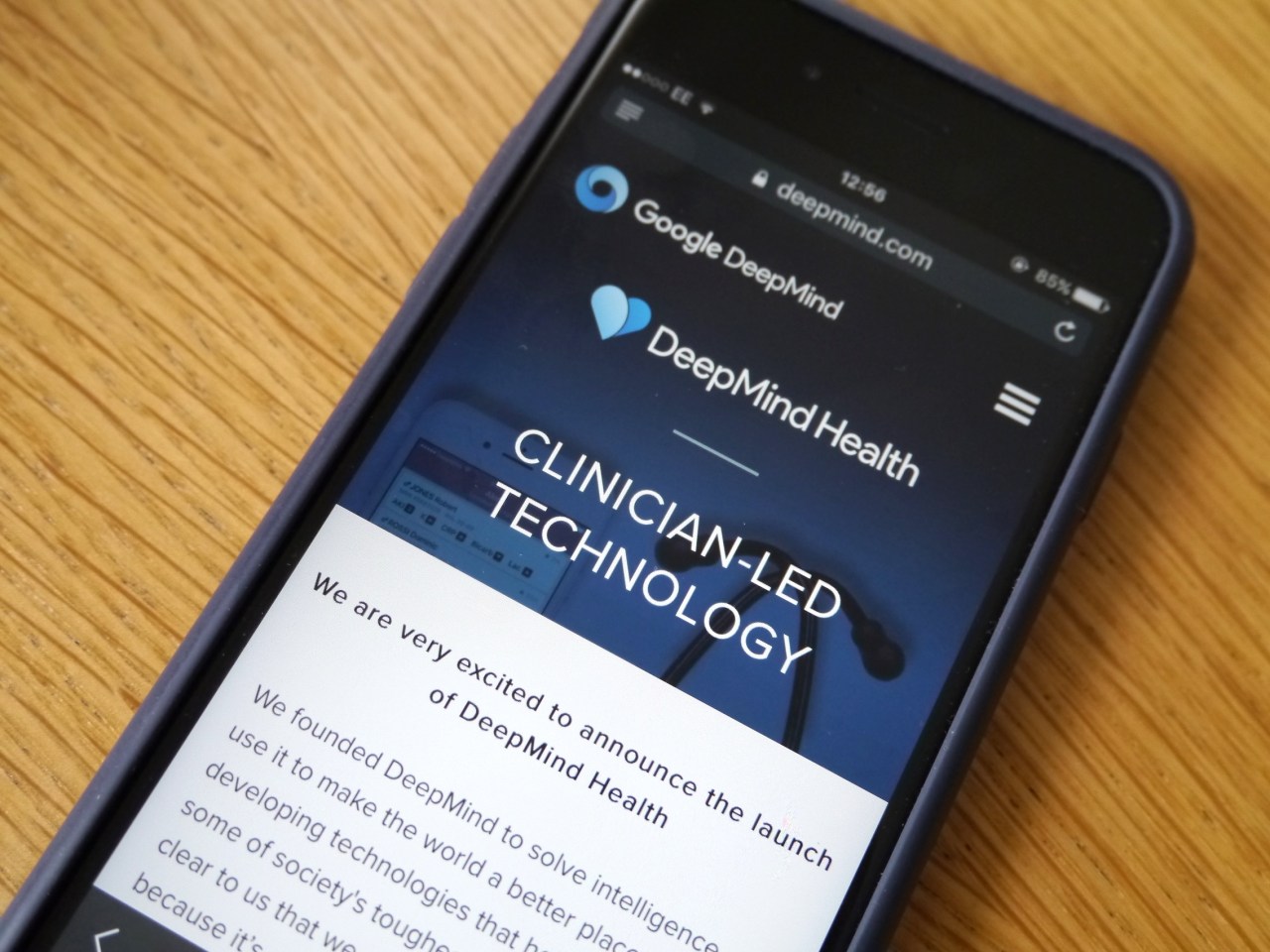
The world of healthcare is evolving at an unprecedented pace, particularly with the rise of artificial intelligence (AI). The collaboration between DeepMind, Google’s AI company, and NHS Royal Free Trust in London offers a glimpse into this transformation—and the hurdles that come with it. The Streams app, developed to help identify patients at risk of acute kidney injury (AKI), is at the center of a complex debate that delves deep into data privacy, ethical standards, and the future of AI in medicine.
The Purpose Behind Streams: A Dual-Edged Sword
DeepMind’s proposition for the Streams app stems from a noble intention: improve patient care by enabling swift responses to potential AKI. However, the approach taken has sparked significant concern. The app is designed to process a vast range of patient data extending five years back, which raises questions about the ethical implications of harnessing data for a single diagnostic purpose.
While DeepMind emphasizes that the data collected is essential for the app’s predictive capabilities, critics argue that accessing such extensive data constitutes a misuse of personal information. As outlined by privacy advocate Sam Smith from MedConfidential, the distinction between direct patient care and secondary data use becomes murky. The central concern is about ensuring that patient data is used appropriately and transparently, with a clear patient-clinician relationship in mind.
The Regulatory Landscape: A Gray Area
Complications further arise with the regulatory framework governing healthcare apps. Initial discussions between DeepMind and the UK’s Medicines and Healthcare products Regulatory Agency (MHRA) highlighted that formal approval was not sought before testing the app, a move that raised eyebrows within the medical community.
- Why seek approval? The MHRA plays a crucial role in ensuring health products meet safety and efficacy standards. With software increasingly becoming part of medical diagnostics, engaging early with regulators could pave the way for smoother integrations in the future.
- Investigations or Discussions? The MHRA clarified that this exchange with DeepMind is not a formal investigation, but rather an exploration of whether Streams should be classified as a medical device. This highlights the evolving nature of tech-regulations in healthcare.
Data Privacy: The Balancing Act
The UK Information Commissioner’s Office (ICO) has also entered the fray, indicating concerns over data protection compliance due to a handful of complaints. This scrutiny emphasizes the need for stringent checks when handling sensitive personal information, particularly as organizations like DeepMind leverage large datasets for their projects.
The fundamental challenge here is maintaining a balance where innovative technological solutions don’t impinge upon individual rights to privacy. The ethical considerations governing the sharing of personally identifiable health data are paramount, yet the mechanisms for achieving this balance often feel inadequate.
Reassessing the Role of AI in Healthcare
Beyond the immediate concerns surrounding the Streams app, this case serves as a critical juncture for the future of AI within healthcare. The integration of AI must extend beyond mere functionality; it requires a commitment to ethical standards, robust data handling practices, and a proactive approach to regulatory compliance.
The choices made now will shape public perception, and the potential for AI to revolutionize healthcare hangs in the balance. The sustainability of such technologies largely relies on the faith that the public places in organizations harnessing their data for innovations that could save lives.
Conclusion: The Future of AI and Healthcare Collaboration
As we analyze the complexities surrounding DeepMind’s Streams app, it becomes clear that technological advancements in healthcare are not merely about innovation but about building trust. Stakeholders across the board—regulators, healthcare providers, tech companies, and patients alike—must engage in open dialogues to address underlying concerns while harnessing the capabilities of AI.
Advancing artificial intelligence in healthcare is essential, but so too is the establishment of robust frameworks to govern its implementation. Ensuring patient data is protected, regulatory standards are met, and ethical obligations are fulfilled should be the cornerstones of this endeavor.
At fxis.ai, we believe that such advancements are crucial for the future of AI, as they enable more comprehensive and effective solutions. Our team is continually exploring new methodologies to push the envelope in artificial intelligence, ensuring that our clients benefit from the latest technological innovations. For more insights, updates, or to collaborate on AI development projects, stay connected with fxis.ai.