
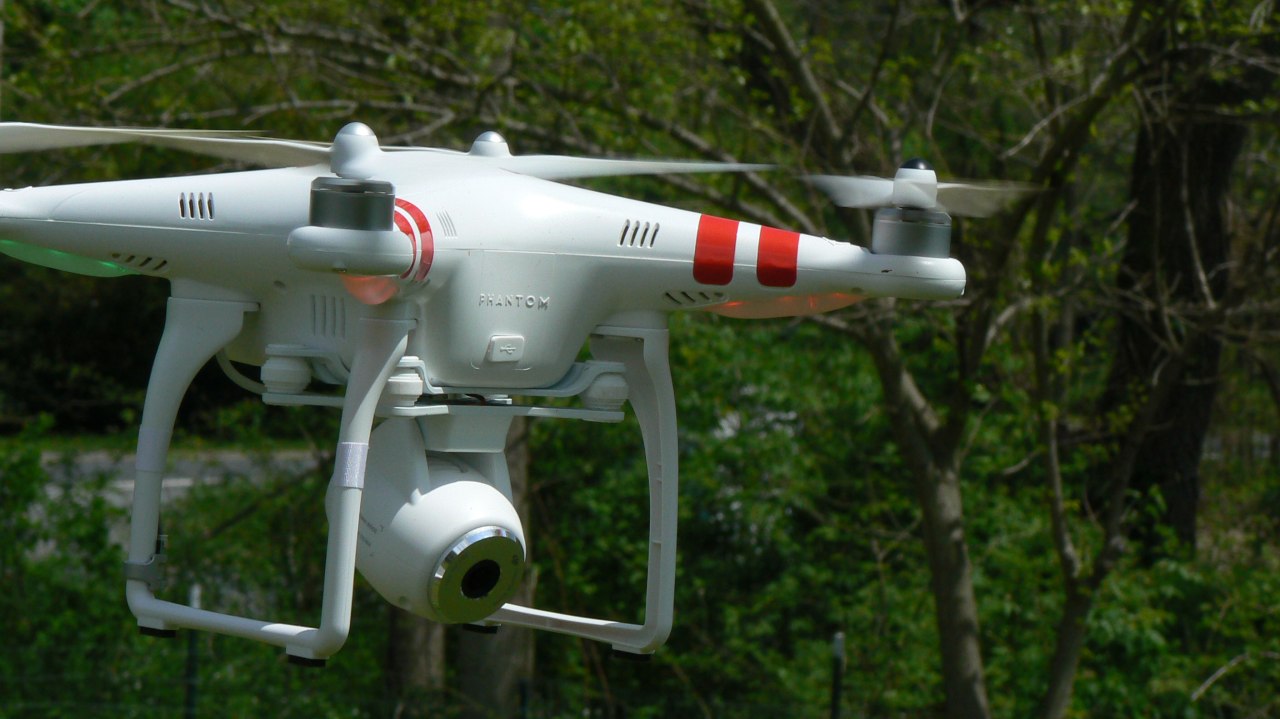
As drones continue to ascend in popularity, both in commercial applications and personal hobbies, the conversation around their implications on privacy and ethical usage has gained momentum. In recent years, the U.S. government has taken steps to address these concerns, creating a framework aimed at balancing innovation with individual rights. The newly proposed guidelines by the National Telecommunications and Information Administration (NTIA) serve as a crucial milestone in establishing responsible drone usage principles. In this blog post, we will explore the key aspects of these privacy guidelines and what they mean for drone operators and individuals alike.
The Role of the NTIA in Drone Regulation
The NTIA is working on developing best practices that specifically tackle privacy, transparency, and accountability relating to drone operations. This initiative was prompted by a directive from former President Barack Obama, who realized that the proliferation of drones could have significant implications for personal privacy. By bringing together stakeholders—including drone manufacturers, privacy advocates, and media representatives—the NTIA aims to forge a consensus on operational conduct that respects individual privacy. However, it’s essential to recognize that these guidelines remain voluntary and lack enforceability.
Understanding the Recommendations
The NTIA’s recommendations underscore the need for drone operators to be proactive in considering the privacy of individuals who may be captured in their aerial view. Some pivotal guidelines include:
- Advance Notice: Drone operators should notify individuals before collecting identifiable data. This can include informing them of the timeframe and areas where drone activity is expected.
- Privacy Policies: Operators are advised to establish a robust privacy policy, which must be publicly accessible at the time data collection begins.
- Data Protection: Adequate security measures should be in place to protect personally identifiable information collected through drone operations.
- Usage Restrictions: Specific types of data collection—such as surveillance of private property—are discouraged unless explicit consent is granted.
- Data Sharing Guidelines: Consent is necessary to share data for marketing purposes, although the guidelines are more lenient on the use of aggregated data for broader analysis.
Challenges and Ethical Considerations
While these guidelines mark a significant step toward responsible drone usage, the voluntary nature of their implementation raises questions about their effectiveness. As drone technology continues to evolve, so do the circumstances surrounding its usage. The guidelines may provide a framework, but without legal backing, many operators could overlook them altogether.
Furthermore, there’s an inherent tension between leveraging drone technology for commercial purposes—like delivering packages or conducting agricultural assessments—and protecting individual privacy. The temptation to exploit the aerial data collected could lead to unethical practices if drones are not used with consideration for those on the ground.
Fostering Consumer Trust
The NTIA asserts that these guidelines are an essential foundation for building consumer trust. By promoting ethical behavior among drone operators, the initiative hopes to ensure that technological advancements proceed in a manner that respects users’ privacy, fostering an environment where innovative drone applications can flourish without infringing on personal rights.
Moreover, as community concerns regarding drone usage continue to arise, it’s vital for operators to engage in transparent communication. This includes understanding community sentiments, setting boundaries, and actively seeking ways to respect those limits.
Conclusion: The Future of Drones and Privacy
The NTIA’s guidelines offer a glimpse into the future of drone usage that seeks to balance innovation with a commitment to privacy. However, the true challenge lies in how these voluntary recommendations will be accepted and adopted across the industry. As stakeholders navigate ethical dilemmas and public sentiment, ongoing dialogue is paramount to ensure responsible drone operations moving forward.
At fxis.ai, we believe that such advancements are crucial for the future of AI, as they enable more comprehensive and effective solutions. Our team is continually exploring new methodologies to push the envelope in artificial intelligence, ensuring that our clients benefit from the latest technological innovations.
To harness the full potential of drones while safeguarding individual rights, it is imperative for operators and policymakers alike to remain vigilant and adaptable in this rapidly evolving landscape. For more insights, updates, or to collaborate on AI development projects, stay connected with fxis.ai.