
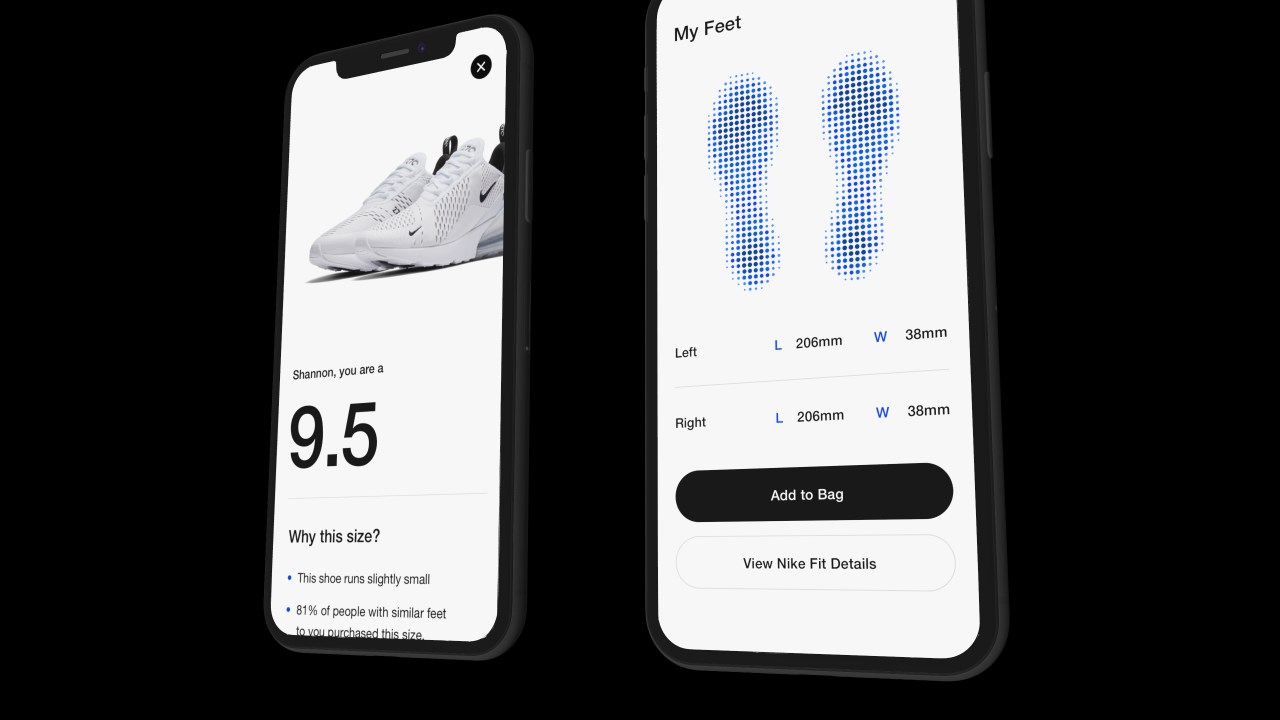
In an era where technology seamlessly integrates into our daily lives, it’s no surprise that a brand like Nike is positioning itself at the forefront of this change. In its recent endeavor, Nike has transformed itself from a traditional sportswear brand into a tech-savvy innovation leader, exemplifying this shift through its revolutionary Nike Fit technology. Just like the original Brannock Device once provided an essential service in the footwear industry, Nike Fit is set to reinvent how we find the perfect shoe size in an increasingly complex market.
The Dilemma of Shoe Sizing
It’s a known fact that approximately 60% of consumers are wearing ill-fitting shoes. This discrepancy isn’t merely a small irritation for wearers; it can lead to discomfort and even lasting physical issues. Adding to this complexity is the fact that shoe sizing isn’t consistent across brands, leading to confusion even among loyal customers. For instance, one might own several pairs of Nikes spanning various sizes, all within the same brand. This inconsistency calls for a solution tailored to a modern consumer’s needs.
Introducing Nike Fit
Nike Fit addresses this sizing conundrum using a combination of cutting-edge technologies such as computer vision, machine learning, and AI algorithms. By employing an augmented reality feature in the Nike app, users can effortlessly scan their feet from the comfort of their homes, obtaining precise measurements down to the millimeter. This level of accuracy is vital when you consider the range of materials and designs used in modern footwear, providing a comprehensive view of fit preferences.
An Experience Built for the User
One of the standout features of Nike Fit is its user-centric design. Nike’s Vice President of Design and User Experience, Josh Moore, emphasizes the need for user guidance when employing augmented reality. This focus on an intuitive experience allows new users to understand the technology’s functionality without being overwhelmed, which is essential as more consumers begin to embrace such innovations.
- Augmented reality scanning allows users to measure their feet precisely.
- In-store associates utilize handheld devices to ensure customers find their perfect size with minimal delays.
- The use of machine learning helps Nike continuously refine fit recommendations based on aggregated data.
Transforming the Retail Landscape
While presently centered on footwear, Nike Fit has far-reaching implications for the broader retail environment. Imagine a world where customers can use similar technology to find the perfect fit for bras or jeans, addressing challenges that have long plagued the fashion sector. With the advent of individualization and inclusivity as significant marketing approaches, solutions like Nike Fit seem like a natural progression in the retail landscape.
Conclusion: The Road Ahead
The launch of Nike Fit represents a pivotal moment for the brand, reinforcing its position as a forward-thinking technology company. By leveraging its historical strengths in design while venturing into new, uncharted territories, Nike is demonstrating that it doesn’t just aspire to meet consumer needs but actively seeks to anticipate and facilitate them. As we embark on this new chapter in footwear innovation, it’s clear that Nike has indeed just done it again.
At **[fxis.ai](https://fxis.ai/edu)**, we believe that such advancements are crucial for the future of AI, as they enable more comprehensive and effective solutions. Our team is continually exploring new methodologies to push the envelope in artificial intelligence, ensuring that our clients benefit from the latest technological innovations. For more insights, updates, or to collaborate on AI development projects, stay connected with **[fxis.ai](https://fxis.ai/edu)**.