
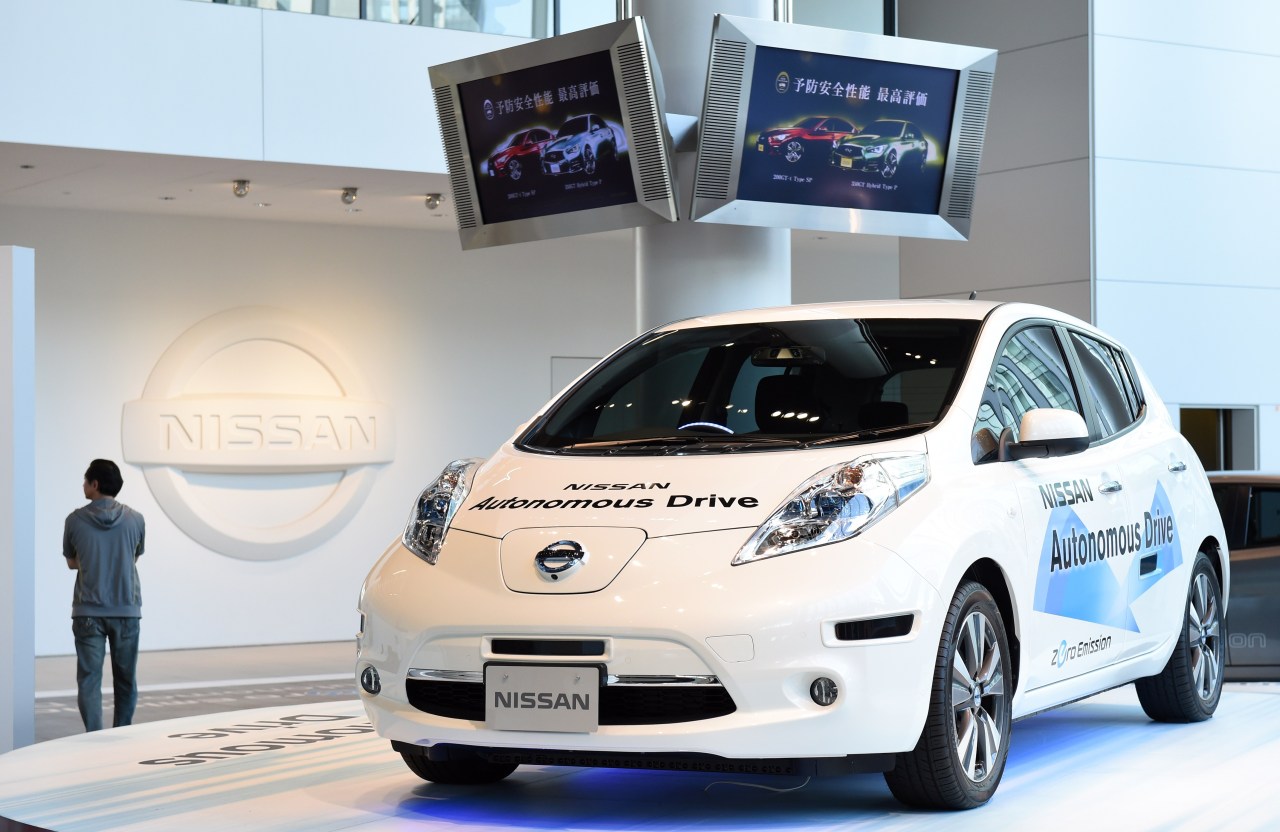
The future of mobility is upon us, as Nissan embarks on a groundbreaking journey by taking its self-driving vehicles to the vibrant streets of London. This marks an exciting milestone not just for the automaker, but for the broader landscape of autonomous technology. With an array of sensors and robust onboard computing capabilities, Nissan is testing its modified Leaf electric vehicles under real-world conditions, proving yet again that the age of autonomous driving is dawning.
The Significance of London as a Testing Ground
Why London, you might ask? The city’s open-mindedness towards cutting-edge technology has made it an optimal choice for such ambitious trials. Unlike many other urban centers that remain hesitant about embracing autonomous vehicles, London’s Transport for London (TfL) and law enforcement agencies are actively collaborating with Nissan to facilitate these tests. This partnership is emblematic of a growing acceptance and desire for innovation in urban transport.
- Coordination with local authorities enhances safety measures.
- A commitment to transparency ensures that residents are kept in the loop regarding test routes and outcomes.
- Utilizing a variety of road types offers a comprehensive testing environment.
Technological Innovations Driving the Project
Equipped with specialized sensors, the Nissan Leaf can reach speeds of up to 50 miles per hour. These vehicles can navigate seamlessly between narrow local streets and expansive, multi-lane thoroughfares, showcasing their adaptability and the advanced technology packed inside. More importantly, this initiative illustrates Nissan’s investment in a variety of tech sources, including a notable partnership with NASA, to ensure that their self-driving solutions stand out in a market that is becoming increasingly crowded.
Global Context of Autonomous Vehicle Testing
The London trials are not Nissan’s first foray into self-driving technology. The company has previously conducted tests in both Tokyo and Silicon Valley, allowing it to gather invaluable data across diverse environments. This global approach enriches the development process, enabling Nissan to fine-tune their vehicles to meet various safety and regulatory standards worldwide.
- Tokyo tests focus on navigating highly crowded urban spaces.
- Silicon Valley serves as a hub for cutting-edge technology development.
What Lies Ahead for Autonomous Driving?
As Nissan continues its testing phases, the implications of successful autonomous vehicle implementation are far-reaching. From easing traffic congestion to reducing accidents caused by human error, the benefits could vastly transform urban landscapes. Nevertheless, public acceptance remains a critical factor; thoughtful engagement with local communities and transparent practices will be pivotal in easing apprehensions about autonomous driving.
Conclusion: A Step into the Future
Nissan’s self-driving vehicle tests in London highlight a significant progression in the road towards autonomous driving. By choosing a city open to innovation and closely collaborating with local authorities, Nissan is laying the groundwork for a new era in transportation. As this technology matures, it promises to integrate seamlessly into our daily lives, offering safer, smarter, and more efficient mobility solutions.
At **[fxis.ai](https://fxis.ai/edu)**, we believe that such advancements are crucial for the future of AI, as they enable more comprehensive and effective solutions. Our team is continually exploring new methodologies to push the envelope in artificial intelligence, ensuring that our clients benefit from the latest technological innovations. For more insights, updates, or to collaborate on AI development projects, stay connected with **[fxis.ai](https://fxis.ai/edu)**.