
The evolution of self-driving cars promises to reshape our world, making transportation safer, more efficient, and accessible for all. At the forefront of this revolution are tech giants like Nvidia and Baidu, two entities that have recently joined forces to create a comprehensive autonomous driving platform. This collaboration aims to leverage their respective strengths in artificial intelligence (AI) and deep learning, producing groundbreaking advancements in self-driving technology.
The Power of Partnership
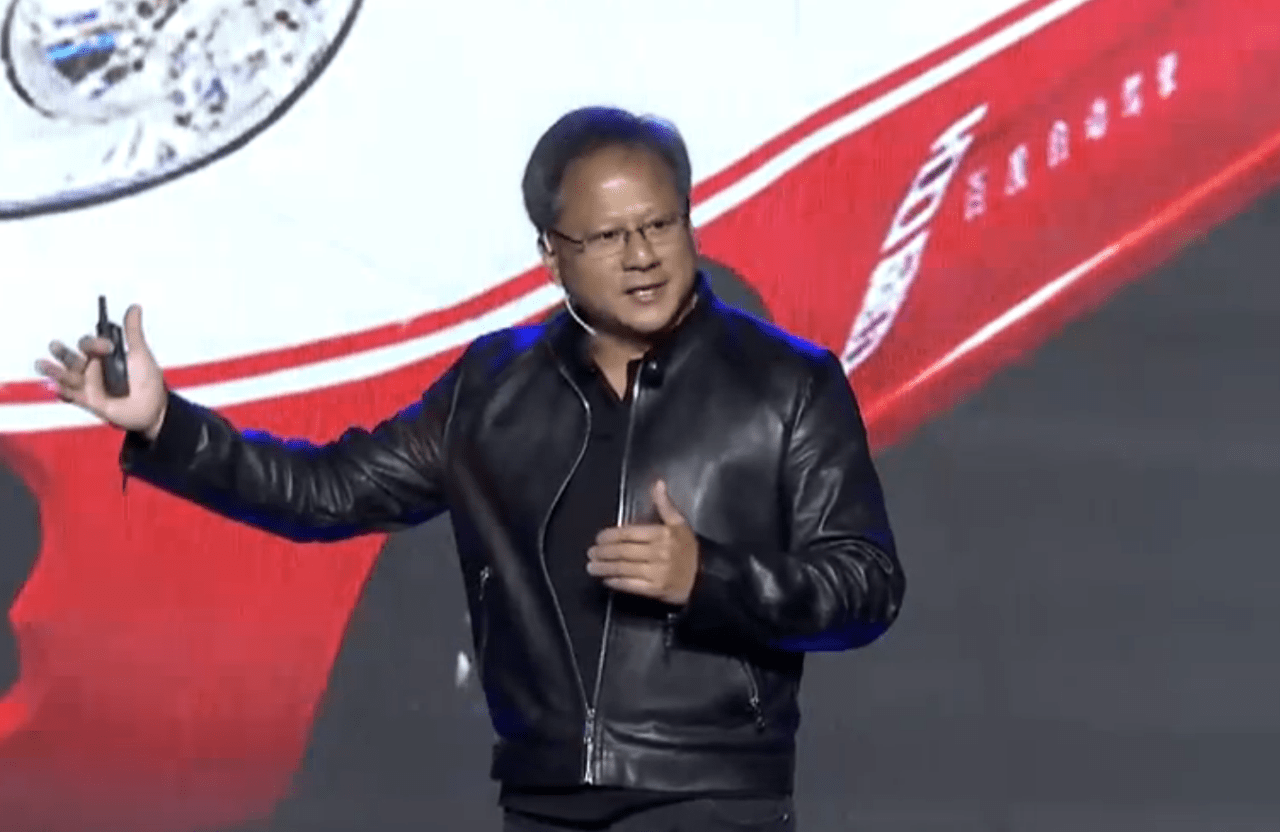
During Baidu’s annual Baidu World conference, Nvidia CEO Jen-Hsun Huang unveiled this powerful collaboration. Huang emphasized the melding of technical capabilities between Nvidia and Baidu. “We’re going to bring together the technical capabilities, our expertise in AI, and the skills of two world-class companies,” he stated. This partnership is not just about sharing resources; it represents a coalescence of vision and ambition.
A Cloud-to-Car Architecture
The ultimate goal of this partnership is to develop a cloud-to-car architecture that addresses the present demands and future challenges of driverless vehicles. Huang highlighted that this platform would not only cater to Baidu’s aspirations of launching a self-driving taxi fleet but will also extend its applicability to Original Equipment Manufacturer (OEM) vehicles, thus creating an integrated ecosystem.
- Self-Driving Taxi Fleet: Baidu plans to roll out an extensive fleet of autonomous taxis, powered by their joint technology.
- OEM Integration: The platform will be available for branded consumer vehicles, providing robust solutions for existing automotive manufacturers.
- Open Platform: An emphasis on being “completely open” signals inclusivity, encouraging other automotive OEMs to adopt the technology.
The Role of AI and Deep Learning
AI and deep learning are at the heart of this initiative. Nvidia has long been a leader in AI technology, previously introducing platforms like PX 1 and PX 2 to advance self-driving car development. Huang noted that Baidu’s early investments in AI technology, dating back six years, have catalyzed profound progress. “Baidu and CEO Robin Li have been investing deeply in this area well before many in Silicon Valley were even considering the possibilities,” Huang pointed out.
This blend of expertise allows for a shared vision that transcends traditional boundaries, paving the way for innovative solutions that keep evolving as technology advances.
Why Does This Matter?
The partnership between Nvidia and Baidu represents a significant step towards the widespread adoption of autonomous vehicles. By creating a unified platform that supports both commercial and consumer vehicles, they are addressing diverse market needs. The move toward an open platform encourages collaboration, growth, and a more rapid pace of technological advancement within the automotive sector.
Looking Ahead
The journey towards autonomous driving isn’t merely about technology; it’s about transforming how we think about transportation. As this partnership unfolds, we can anticipate a new ecosystem where safety, efficiency, and connectivity drive automotive innovation. The implications for urban planning, logistics, and our daily commute are profound, positioning self-driving cars as a cornerstone of future mobility solutions.
At fxis.ai, we believe that such advancements are crucial for the future of AI, as they enable more comprehensive and effective solutions. Our team is continually exploring new methodologies to push the envelope in artificial intelligence, ensuring that our clients benefit from the latest technological innovations. For more insights, updates, or to collaborate on AI development projects, stay connected with fxis.ai.
Conclusion
The collaboration between Nvidia and Baidu heralds an exciting new chapter in the world of self-driving cars. By leveraging their strengths and resources, the duo is poised to set the stage for a future where autonomous transport is not just a concept, but a reality. With an open and integrated approach, the potential for innovation within the automotive industry is immense, promising benefits that extend far beyond the vehicles themselves.