
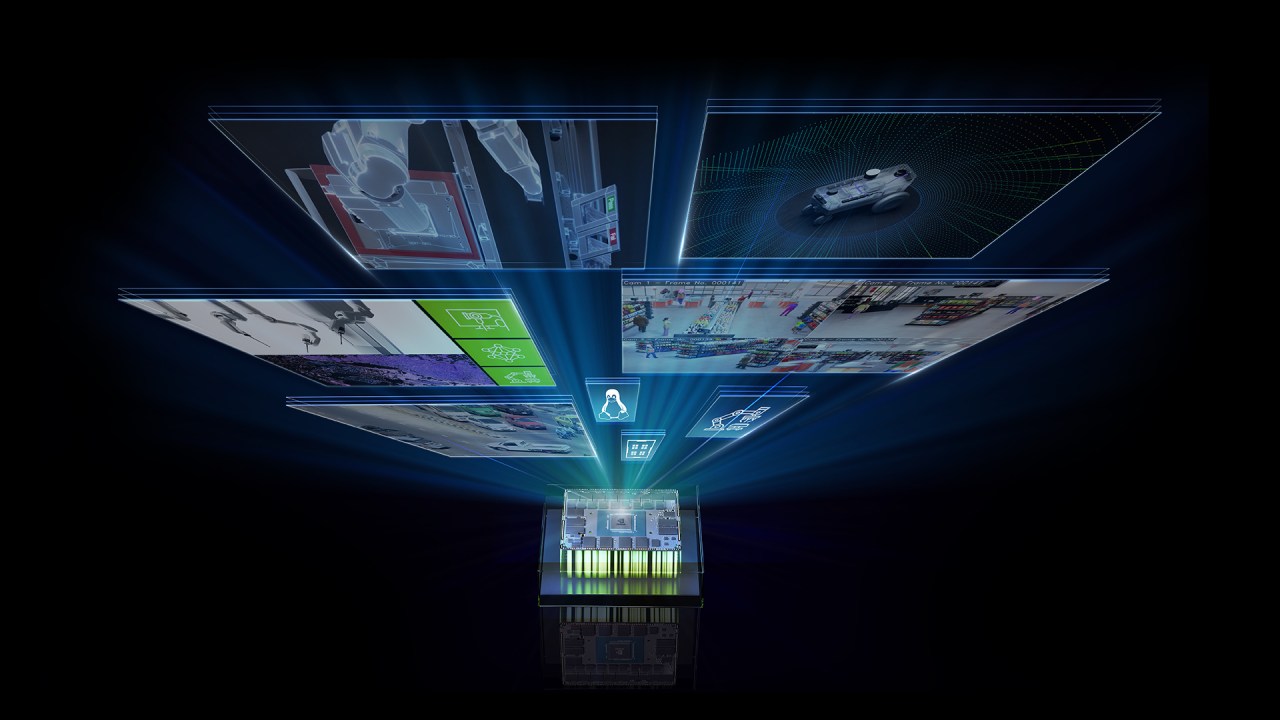
In the ever-evolving landscape of robotics, the integration of generative artificial intelligence has become a pivotal point of discussion. Nvidia, a leader in the AI and technology sectors, is at the forefront of this movement, providing innovative solutions that promise to enhance the functionality and adaptability of robots. Recent discussions with Deepu Talla, Nvidia’s Vice President and General Manager of Embedded Edge Computing, illuminated the transformative impact of generative AI on robotics platforms. Let’s delve deeper into what these advancements mean for the future of robotics.
The Rise of Generative AI in Robotics
Generative AI, often associated with the production of text, images, and other forms of media, is now making waves in the robotics world. Nvidia’s recent announcements highlight how generative AI can optimize robotic systems by improving productivity and operational efficiency. For instance, Talla pointed out how AI tools can reduce the workload by composing emails and summarizing information, allowing professionals to focus more on strategic tasks rather than mundane ones.
Key Developments from Nvidia
- Nvidia Isaac ROS 2.0: This platform simplifies the interaction between robots and developers, enabling faster integration of AI capabilities in robotic designs.
- Nvidia Isaac Sim 2023: A simulation environment that allows developers to visualize the behavior of robots in diverse settings, enhancing training and deployment strategies.
- Jetson Generative AI Lab: A new initiative providing developers access to advanced tools, tutorials, and open-source large language models, allowing them to harness the power of AI in their robotic creations.
Transforming Edge Computing with Generative AI
The potential of generative AI to reshape edge computing applications in robotics is vast. According to Talla, by combining the latest software expansions with the capabilities of transformer models, Nvidia aims to enhance robot performance through improved perception and decision-making in dynamic environments. This is especially crucial for operations in unstructured spaces, such as warehouses and factories, where adaptability and real-time processing play vital roles.
Examples of Real-world Applications
Several big-name organizations have already begun leveraging Nvidia’s technologies, including AWS, Cisco, and John Deere. These companies are utilizing Nvidia’s platforms to train and deploy robots that can understand natural language commands, navigate complex environments, and perform tasks with greater autonomy.
Future Prospects
With more than 1.2 million developers accessing Nvidia’s AI and Jetson platforms, the future looks promising. The integration of generative AI into these systems not only enhances their capabilities but also sets a new standard for scalability in robotics. As Talla stated, the advancements will result in “better generalization, ease of use, and higher accuracy” than ever before.
Conclusion
Nvidia’s commitment to advancing robotics through generative AI represents a significant leap forward in how machines interact with the world. With ongoing enhancements to the Isaac and Jetson platforms, roboticists are empowered to create more intelligent, responsive, and versatile systems. This integration promises to unlock new possibilities in various industries, from manufacturing to healthcare and beyond. At fxis.ai, we believe that such advancements are crucial for the future of AI, as they enable more comprehensive and effective solutions. Our team is continually exploring new methodologies to push the envelope in artificial intelligence, ensuring that our clients benefit from the latest technological innovations. For more insights, updates, or to collaborate on AI development projects, stay connected with fxis.ai.