
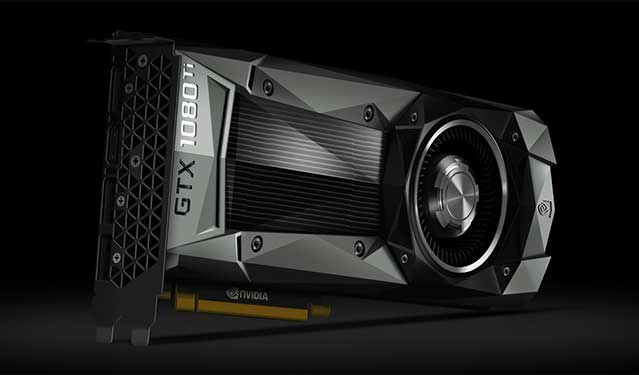
In January 2018, the tech world was rocked by the revelation of two significant vulnerabilities: Meltdown and Spectre. While these issues predominantly affected CPU architectures, they raised alarms across the entire computing ecosystem. Amidst the chaos, Nvidia’s CEO, Jensen Huang, stepped into the limelight to clarify the company’s position regarding its GPU products and the potential impact of these vulnerabilities. In a time of fear and uncertainty, his assertive declaration that Nvidia’s GPUs were “absolutely” immune became a beacon of reassurance for users and developers alike. Let’s delve deeper into this issue and understand what it means for the industry.
The Nature of Meltdown and Spectre
Both Meltdown and Spectre exploit fundamental vulnerabilities in processors and have the potential to allow unauthorized access to sensitive data held in memory. This unexpected revelation exposed not just the hardware but also the myriad software dependencies that many systems rely upon. Since most computing relies heavily on CPUs, this was a wake-up call for tech companies around the globe.
Nvidia’s Fortified Position
During an informative Q&A session, Jensen Huang left no room for doubt, asserting, “Our GPUs are immune, they’re not affected by these security issues.” But what does this mean? Let’s break it down.
- Immunity: The architecture of Nvidia’s GPUs is fundamentally different from the typical CPU designs targeted by Meltdown and Spectre. This architectural distinction helped Nvidia sidestep the fallout that affected many other companies.
- Proactive Measures: Though their GPUs were essentially unaffected, Nvidia recognized the importance of securing their software. Huang emphasized that the company’s driver updates were aimed solely at patching CPU vulnerabilities, similar to efforts taken by major players like Amazon and Microsoft.
- Clear Communication: Nvidia took it upon themselves to update their security bulletin, ensuring that users clearly understand that no vulnerabilities were found in their GPU hardware. This transparency has been crucial in maintaining user trust.
The Bigger Picture: Software and Hardware Interdependence
In the age of interconnected systems, a flaw in one component often leads to questions about the entire ecosystem’s security. Huang’s remarks highlighted an essential element of modern computing: the symbiotic relationship between hardware and software. As he stated, “anyone running any kind of software has to patch that software for the CPU vulnerabilities.” This proactive approach underscores the necessity for vigilance across all tech sectors.
Moreover, Nvidia’s commitment to continuous improvement ensures that they are not only reactive but also proactive in safeguarding their ecosystems from evolving threats.
Conclusion: Looking Forward
Nvidia’s staunch position during the Meltdown and Spectre scare serves as a crucial case study demonstrating the importance of innovation, adaptability, and transparent communication within the tech landscape. As technology continues to advance, the onus lies on companies to not only ensure high-performance products but also robust security frameworks that protect users’ data and trust.
At fxis.ai, we believe that such advancements are crucial for the future of AI, as they enable more comprehensive and effective solutions. Our team is continually exploring new methodologies to push the envelope in artificial intelligence, ensuring that our clients benefit from the latest technological innovations. For more insights, updates, or to collaborate on AI development projects, stay connected with fxis.ai.