
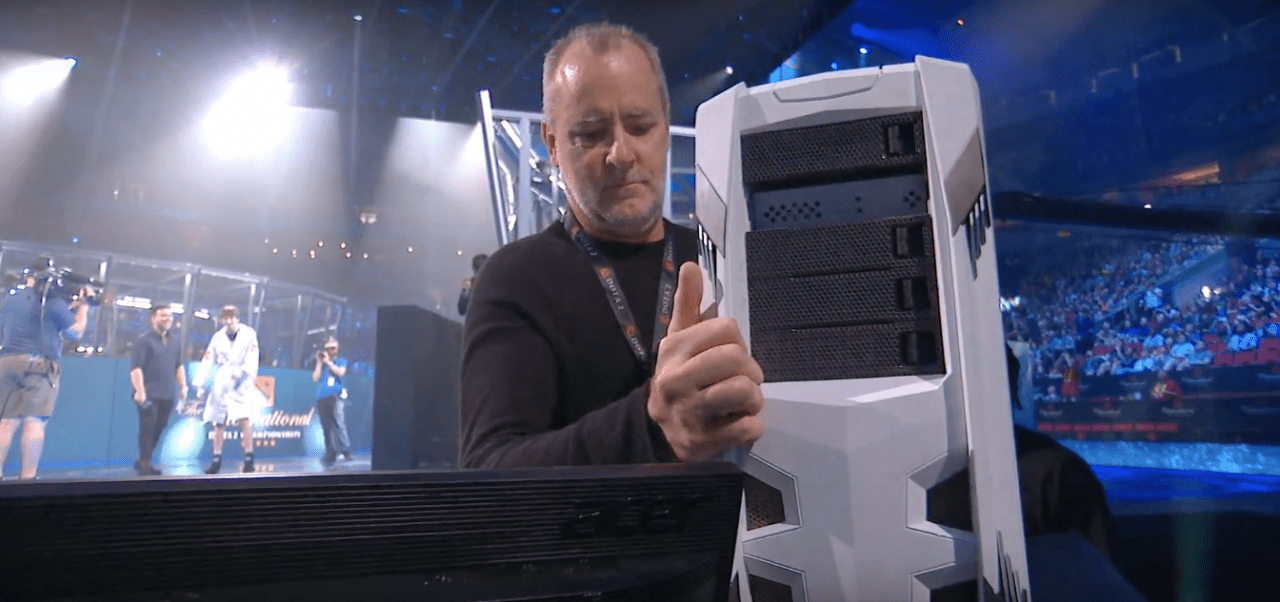
The gaming landscape saw a remarkable shift during The International, one of the premier eSports events globally, as OpenAI’s Dota 2 bot demonstrated its superiority over some of the most esteemed professional players in the world. With impressive victories, including a notable defeat of Danil “Dendi” Ishutin, this landmark event serves as a testament to the astounding advances in machine learning technologies.
The Training Mechanism Behind the Bot
What sets OpenAI’s Dota 2 bot apart is its unique training approach. The bot mastered the intricacies of Dota 2 not through conventional methods but rather by engaging in an extensive series of matches against a replica of itself. “We’ve coached it to learn just from playing against itself,” explains OpenAI researcher Jakub Pachoki. Starting from a foundation of randomness, the bot evolved through incremental improvements, ultimately reaching a level of play comparable to elite human competitors.
- Self-Play Approach: The bot engaged in countless matches against its own copy, allowing it to learn and adapt.
- Strategic Evolution: With no external strategies fed into it, the bot relied solely on its experiences to improve, highlighting the potential of self-learning algorithms.
- Future Prospects: OpenAI has plans to develop bots capable of playing in full-scale 5v5 matches, targeting scenarios much closer to real professional gameplay.
The Broader Implications of AI in Gaming
While the achievements of OpenAI’s bot are impressive, they also spark discussions about the future of artificial intelligence in gaming. The idea of AI surpassing human skill raises questions about the potential for automation in other sectors, as well as concerns about its impact on human jobs and experiences within gaming.
Elon Musk’s Perspectives on AI
As the event unfolded, notable figures, including Elon Musk, chimed in on the implications of such advancements. Musk has been vocal regarding the need for regulatory frameworks in AI development, asserting that unregulated AI could pose significant risks, even surpassing geopolitical threats. His comments underline the necessity of integrating safety measures in the development of advanced technologies.
Viewpoints from Industry Leaders
Not everyone agrees with Musk’s call for regulation. During the TC Sessions: Robotics event, Rodney Brooks, a prominent figure in robotics, argued that current AI technology lacks sufficient complexity to warrant strict regulations. This divergence in opinions illustrates the ongoing debate within the AI community, as experts grapple with the balance between innovation and oversight.
- Regulation Debate: Voices like Tye Brady from Amazon Robotics promote a more customer-driven approach, advocating for minimal interference in technology’s evolution.
- Evolving Standards: The rapid pace of AI development demands an adaptive regulatory framework, reflecting the nuances of emerging technologies.
Conclusion: The Unfolding Future of AI
As we stand on the brink of a new frontier in artificial intelligence, the success of OpenAI’s Dota 2 bot represents more than just a feat in gaming. It exemplifies the transformative potential of machine learning and heralds a future where AI could redefine various domains. The contrasting perspectives on regulations signal the complexity and urgency of these discussions. The evolution of AI, particularly in gaming, is just one of the many areas poised for significant change as technology advances.
At **[fxis.ai](https://fxis.ai/edu)**, we believe that such advancements are crucial for the future of AI, as they enable more comprehensive and effective solutions. Our team is continually exploring new methodologies to push the envelope in artificial intelligence, ensuring that our clients benefit from the latest technological innovations.
For more insights, updates, or to collaborate on AI development projects, stay connected with **[fxis.ai](https://fxis.ai/edu)**.