
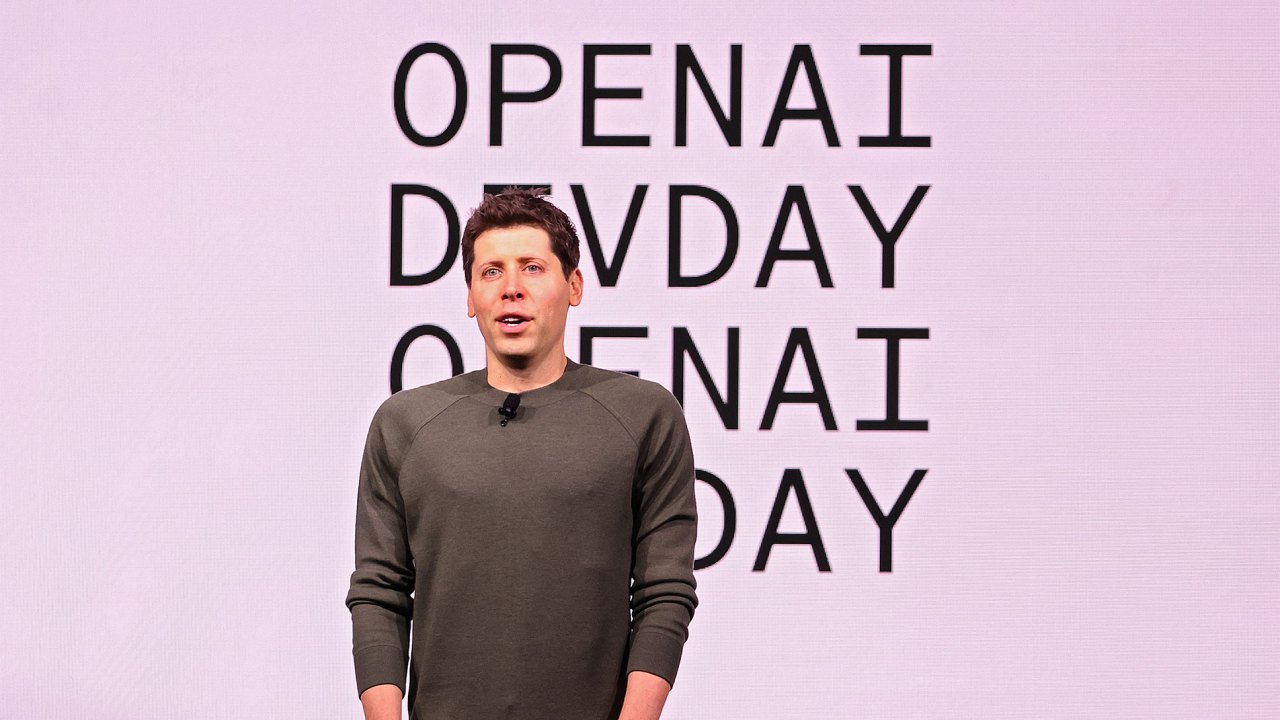
As we dive into the exciting domain of artificial intelligence, it’s impossible not to reflect on the recent changes at OpenAI, particularly regarding their much-anticipated DevDay conference. This year marks a shift from the glitzy announcements and bold product launches that characterized last year’s event to a more subdued, yet equally significant, approach focused on developer education and community engagement.
From Spectacular Announcements to Intimate Gatherings
Last year’s DevDay was an extravagant showcase where OpenAI flaunted a plethora of innovations, including the short-lived GPT Store. In contrast, the 2023 version will feature a series of localized engagement sessions across cities like San Francisco, London, and Singapore. These sessions aim to connect directly with the developer community rather than deliver high-stakes revelations about the next flagship model, which OpenAI has confirmed won’t be part of this year’s agenda.
- San Francisco
- London
- Singapore
: October 1
: October 30
: November 21
The focus will now be on enhancing understanding among developers about the existing tools and services while sharing impactful stories from within the community. Through workshops, breakout sessions, and demos with OpenAI staff, developers will immerse themselves in insights rather than grand announcements.
The Age of Incremental Innovation
While previous years saw a whirlwind of rapid developments, recent months have ushered in a period of deliberation and recalibration for OpenAI. The emphasis has shifted from groundbreaking advancements to fine-tuning existing models like GPT-4o. This prudent approach is particularly relevant in today’s rapidly evolving AI landscape, where the quality of training data is crucial but increasingly challenging to secure.
Challenges in Data Acquisition
One pressing concern lies in accessing high-quality datasets. A staggering 35% of the world’s top websites now block OpenAI’s web crawler, resulting in a significant loss of valuable training material. Moreover, MIT’s Data Provenance Initiative indicates that almost 25% of data deemed “high-quality” is now restricted, making it more difficult for OpenAI to gather robust training resources. If this trend continues, it could lead to a severe data shortage for training generative AI models by 2032, according to forecasts by Epoch AI.
Looking Ahead: Ambitious Goals Amidst Controversy
Despite these challenges, OpenAI’s commitment to innovation remains unwavering. With plans for a future model boasting “Ph.D.-level” intelligence and new reasoning techniques aimed at enhancing performance—particularly in areas like mathematics—the stakes are high. However, the journey is fraught with hurdles including troubling headlines about copyright issues, restrictive employee contracts, and concerns about the safety of AI practices.
Interestingly, the slower pace of updates may serve to alleviate apprehensions regarding OpenAI’s commitment to safety. By taking the time to refine models and prioritize ethical considerations, the company has the opportunity to reshape the narrative that it has become overly fixated on the prowess of generative AI at the expense of safety measures.
Conclusion: A Future Built on Collaboration and Ethical Innovation
The evolution of OpenAI’s DevDay reflects a broader trend in the tech industry towards emphasizing community, collaboration, and responsible development. As AI technologies continue to advance, the need for ethical considerations and robust training methodologies becomes increasingly evident.
Engaging developers through hands-on learning and collaboration rather than grand announcements can cultivate a more sustainable and inspiring environment for the future of AI. At fxis.ai, we believe that such advancements are crucial for the future of AI, as they enable more comprehensive and effective solutions. Our team is continually exploring new methodologies to push the envelope in artificial intelligence, ensuring that our clients benefit from the latest technological innovations.
For more insights, updates, or to collaborate on AI development projects, stay connected with fxis.ai.