
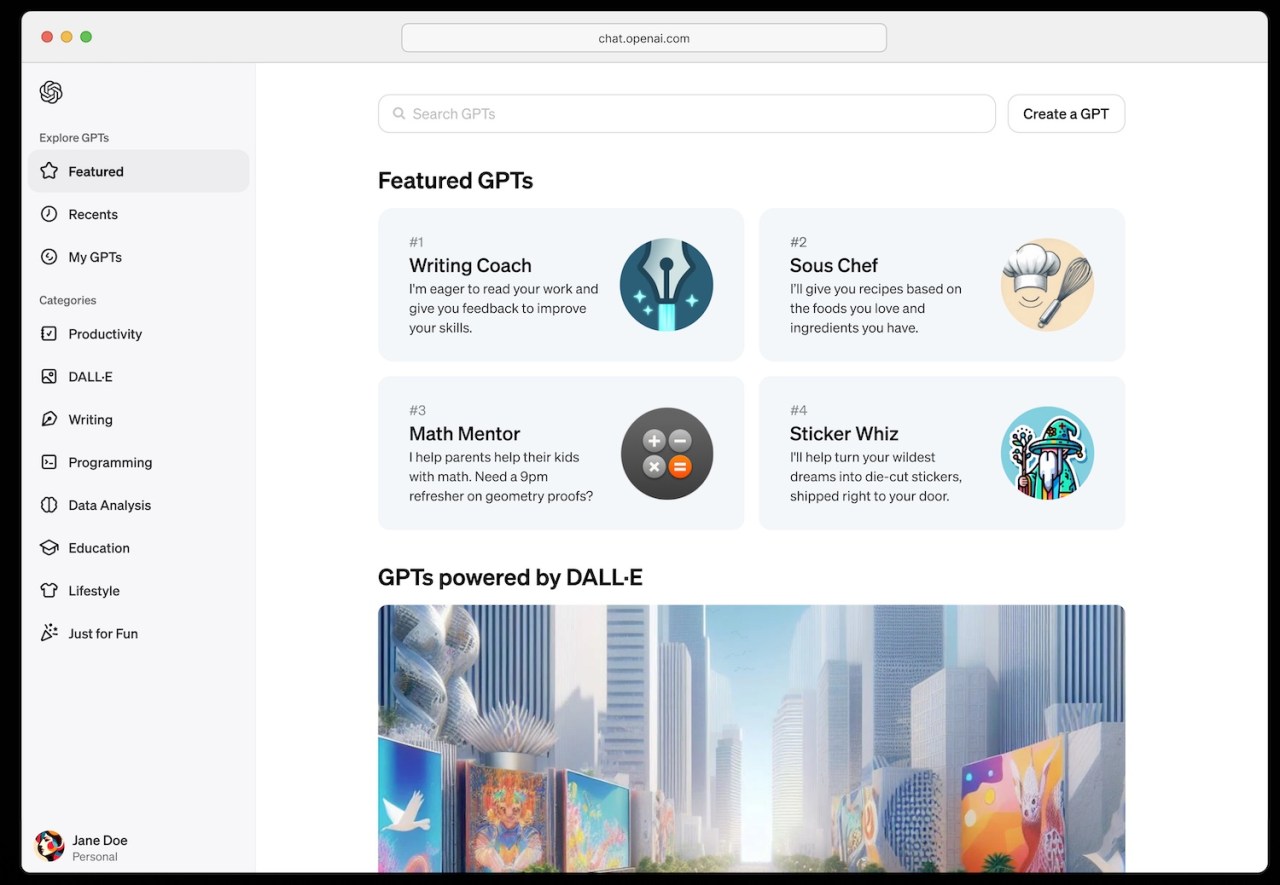
OpenAI’s much-anticipated GPT Store, aimed at revolutionizing how developers and users interact with AI, has been officially pushed to early 2024. This shift is not just a scheduling hiccup; it’s a response to a significant leadership upheaval that has left the organization recalibrating its vision. As we await more concrete details, let’s explore the implications of this delay, the features promised by the GPT Store, and how it may reshape the AI landscape.
The Leadership Shakeup: A Catalyst for Delay
Delayed launches are not uncommon in the tech industry, but they often hint at deeper issues. The recent turbulence at OpenAI, marked by abrupt changes in leadership, served as a backdrop to the postponement of the GPT Store. The timing couldn’t have been worse—just after the initial unveiling during OpenAI’s Dev Day conference in November, which generated excitement but also left many questions unanswered.
- Leadership Conflicts: The internal power struggles, culminating in a shift in executive roles, naturally diverted focus from product readiness.
- Resource Allocation: With the organization needing to stabilize its leadership structure, it’s logical that launching a major project like the GPT Store could take a backseat.
The Promise of the GPT Store
Despite the postponement, the GPT Store holds enormous potential for both users and developers in the AI ecosystem. Here are some key features we can look forward to:
- Developer Empowerment: The GPT Store aims to allow developers to create and monetize their customized GPTs. This feature opens up avenues for innovation and income generation.
- Improved User Experience: Recent communications from OpenAI hinted at enhancements for a better configuration interface and clearer debug messages, thereby improving usability.
- Community Engagement: Although public listings are on hold, developers can still share their GPT creations, fostering a community-focused approach to AI deployment.
The Bigger Picture: What It Means for AI Development
With the delay, there comes an opportunity—an opportunity for OpenAI to carefully curate the user experience and developer interactions that could define the future of AI applications. A hasty release could have resulted in underwhelming features or overlooked bugs, tarnishing the product’s launch and, by extension, the brand.
The current scenario also signals a noteworthy change in how AI products are developed and deployed. Developers and users alike are now watching closely to see how OpenAI will address concerns over monetization and revenue sharing—critical factors for those wanting to find financial viability in this space.
Ultimately, this delay may serve as a bittersweet reminder: good things often take time, especially in a rapidly evolving field like artificial intelligence.
Conclusion: The Road Ahead for OpenAI
As we await the official launch of the GPT Store in early 2024, the focus remains on the company’s commitment to delivering a polished, user-friendly product. The challenges faced by OpenAI may have sparked uncertainty, but they also provide a chance for introspection and growth, ultimately aiming for a more robust platform for AI development.
For more insights, updates, or to collaborate on AI development projects, stay connected with fxis.ai. At fxis.ai, we believe that such advancements are crucial for the future of AI, as they enable more comprehensive and effective solutions. Our team is continually exploring new methodologies to push the envelope in artificial intelligence, ensuring that our clients benefit from the latest technological innovations.