
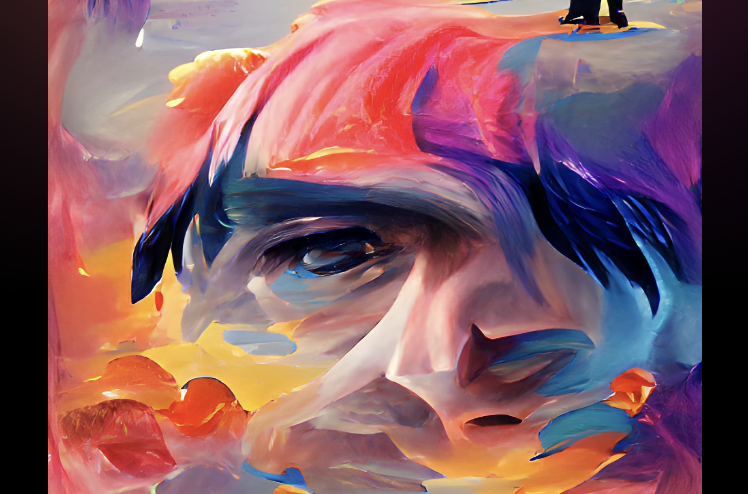
The evolution of artificial intelligence (AI) has opened up remarkable possibilities for creativity, particularly in the realm of art. As we navigate through a world increasingly dominated by machine learning and neural networks, AI-powered applications have begun transforming the way we create and perceive art. Far from being mere digital tools, these innovations invite us to rethink our definitions of creativity and authorship. One standout example is the recent phenomenon of AI art applications, allowing users to paint pictures simply by describing them with words.
The Magic of AI-Generated Art
Imagine being able to conjure up intricate visuals by merely typing a few keywords. This is exactly what apps like Wombo Dream facilitate. By inputting a phrase like “A mystical forest with glowing trees,” the AI interprets these words to create stunning original artwork in mere moments. The beauty and intrigue lie not just in the artwork itself, but in the creative process, where individuals go from idea to visual representation at lightning speed.
- User-Friendly Experience: Wombo Dream and similar apps deliver accessible artistic experiences to anyone with a smartphone. The simplicity of submitting a text prompt, selecting an art style, and witnessing the generation of the piece makes art creation feel democratic and inclusive.
- Speed and Efficiency: The rapid turnaround from concept to visual output has changed the game. Users can explore numerous iterations in minutes, allowing for boundless experimentation without the need for extensive artistic training.
- Customization of Output: Although the results can vary, users are empowered to refine their prompts for different artistic outcomes, showcasing the interactive nature of this AI technology.
The Artistic Dilemma: Is It Really Art?
While the mechanics behind AI-generated art are fascinating, they also raise contentious questions about the nature of art itself. Traditionalists might argue whether machine-generated creations can ever hold the weight of human emotion, intentionality, or significance. What happens when the distinction between artist and tool blurs, leading to new definitions of creativity?
For instance, consider pieces created through AI that evoke feelings or provoke thought. Can an image spun from algorithms still convey an emotional narrative? Or does its very existence — devoid of a human touch — render it devoid of true artistic merit? As these technologies evolve, so too must our perspectives shift to encompass new forms of creative expression.
Market Potential of AI Art
The commercial aspects of AI-generated art have not gone unnoticed. Apps like Wombo Dream monetize this technology by offering physical prints for eager consumers seeking unique decor. The gratification provided by freshly minted artwork, created from one’s imaginative whims, invites curiosity and discussion around its value in the art market. While some may see these outputs as ephemeral or synthetic, they also present opportunities for collectors and designers to explore new visual styles and aesthetics.
The Road Ahead: Crafting a Hybrid Creative Process
It’s clear that as AI technology advances, the boundaries of artistic creation will only expand. Innovative applications that merge machine output with human customization are on the horizon. Imagine a platform where users not only prompt the AI but also manipulate and fine-tune the images it produces, thus infusing a personal touch into otherwise algorithmic creations. This hybrid approach could lead to a more engaged and emotionally resonant form of art-making.
The future will also see a diversity of AI arts, each derived from unique training data that can evoke different styles and flavors. As conversations and experiments around AI-generated art continue, creatives will have the potential to pioneer eccentric ideas and concepts without traditional constraints.
Conclusion: Embracing AI in Art Creation
The intersection of AI and art raises critical questions about creativity, authorship, and value. In a world where technology continues to redefine our experiences, AI-enabled applications like Wombo Dream invite users to not just observe, but actively participate in the creative process. While these tools may not replace the profound depth of human emotion, they do enhance our ability to envision and explore new artistic horizons.
So, whether you’re an aspiring artist or simply an enthusiastic creator, embracing AI technology opens doors to exhilarating possibilities. Let’s celebrate the new era of creativity as much as we reflect on what it means to be an artist in a rapidly evolving world.
For more insights, updates, or to collaborate on AI development projects, stay connected with [fxis.ai](https://fxis.ai/edu).
At [fxis.ai](https://fxis.ai/edu), we believe that such advancements are crucial for the future of AI, as they enable more comprehensive and effective solutions. Our team is continually exploring new methodologies to push the envelope in artificial intelligence, ensuring that our clients benefit from the latest technological innovations.