
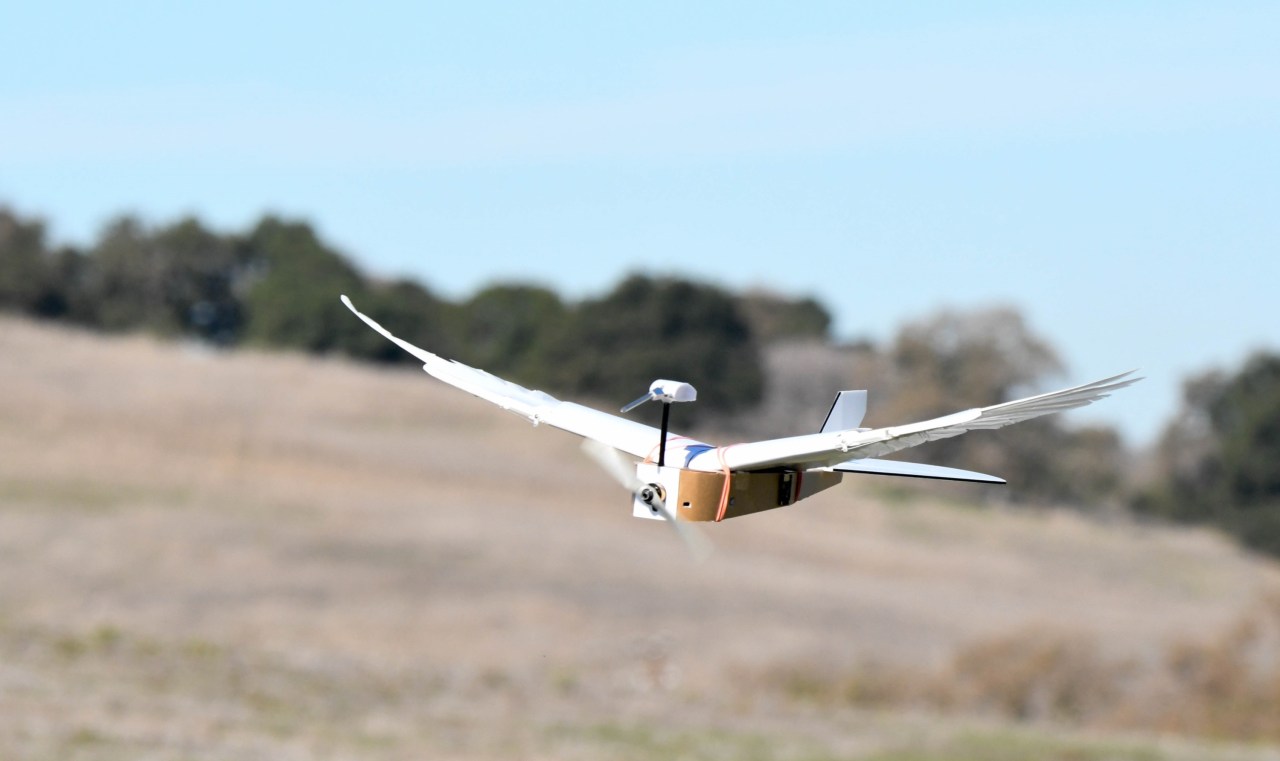
In the realm of robotics, the quest to mimic nature continues to challenge and inspire innovators across the globe. Among these endeavors, the Stanford University’s PigeonBot exemplifies a fascinating attempt to delve into the complexities of avian flight. This unique project not only highlights the intersection between nature and technology but also paves the way for future advancements in robotic design and functionality.
Unpacking the Complexity of Avian Flight
The elegance of bird flight is something that has captured the fascination of scientists and engineers alike. However, replicating this seemingly effortless maneuverability is not straightforward. As Mechanical Engineering Professor David Lentink notes, the biomechanics of avian wings remain a complex puzzle. The relationship between wing shape and feather positioning is intricate and poorly understood, prompting a creative approach to understand it better.
The Making of PigeonBot
The brainstorming sessions at Stanford led to the birth of PigeonBot, a biohybrid robot crafted with real pigeon feathers. This project required a collaborative effort from several graduate researchers who dissected and analyzed avian biomechanics:
- Amanda Stowers: She focused on the skeletal motion, revealing that emulating the wrist and finger movements could control all flight feathers effectively.
- Laura Matloff: Discovered that feather movement operates in a linear response to skeletal movements, simplifying the mechanics involved in feather position control.
- Eric Chang: Created the PigeonBot itself, utilizing a lightweight frame combined with 40 actual pigeon feathers to navigate the skies.
The discovery that movement of feathers occurs automatically through elastic connections rather than manual control showcases an ingenious innovation. This design takes inspiration from nature, allowing the robot to employ the same morphing and flexion seen in real birds, enhancing its maneuverability in flight.
Implications for Aviation and Robotics
The insights gleaned from PigeonBot’s design and operation have broader implications. The principles of underactuated systems could lead to new, more efficient designs for wings in both aircraft and robotic systems. Currently, much of aviation relies on outdated aerodynamic principles that do not account for modern needs like agility and adaptability in drones. The findings from the PigeonBot project could open doors to enhanced functionalities in small aircraft and unmanned aerial vehicles (UAVs), suggesting a shift in flight dynamics that could redefine how these machines operate.
Future of Bio-Inspired Robotics
The journey for the PigeonBot team doesn’t stop here. Future research will involve the study of other bird species to see if they share similar flight mechanisms. Lentink’s enthusiasm is palpable as he plans to integrate a matching tail design and explore new bio-inspired creations, including inventions inspired by falcons that may encompass additional features like legs and claws.
Conclusion: A Testament to Innovation
The PigeonBot project stands as a testament to the power of interdisciplinary collaboration in pushing the boundaries of what’s possible in robotics. By combining a deep understanding of biology with cutting-edge engineering, this innovative flying robot not only bears witness to the complexities of avian flight but also inspires future advancements in technology. As we look to the horizon of aerospace and robotics, the lessons learned from PigeonBot will undoubtedly steer us toward more sophisticated, nature-inspired solutions.
At **[fxis.ai](https://fxis.ai/edu)**, we believe that such advancements are crucial for the future of AI, as they enable more comprehensive and effective solutions. Our team is continually exploring new methodologies to push the envelope in artificial intelligence, ensuring that our clients benefit from the latest technological innovations.
For more insights, updates, or to collaborate on AI development projects, stay connected with **[fxis.ai](https://fxis.ai/edu)**.