
As we glance back to 2015, the wearables industry finds itself at an intriguing crossroads of innovation and saturation. With a mix of excitement and skepticism, tech enthusiasts and casual consumers alike were quick to ponder the true value of these devices. The trend was definitely heightened by major players like Apple and Fitbit making their mark, yet the overarching question lingered: are wearables offering lasting utility or are they simply another tech fad? In exploring key events from 2015, we can gain insights on the trajectory of wearables and what they could mean for the future of personal technology.
Apple’s Bold Introduction to the Wearable Scene
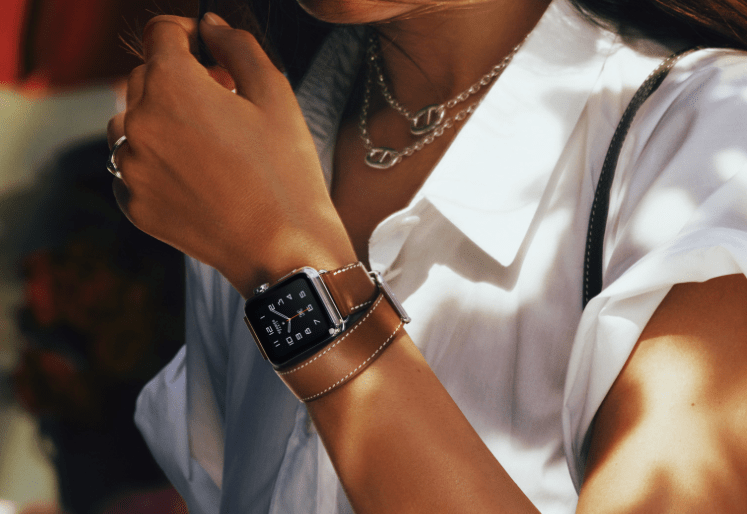
The year kicked off with adrenaline surrounding Apple’s venture into the wearables market with the Apple Watch. After years of anticipation, consumers eagerly awaited its launch. Although Apple confirmed its participation a year prior, it was in April 2015 when the device finally reached consumers. This launched a competitive frenzy among rival companies who scrambled to present their own devices as the “next big thing.”
While the Apple Watch boasted intricate features and a striking design, it also faced scrutiny. Consumers and experts consistently debated its utility. Apple had sold an impressive 7 million units by the end of its first two quarters, a figure standing out even without a solid purpose clearly articulated by its users. Despite its high price tag, the luxury appeal seemed to fit well within Apple’s ecosystem. However, its primary competitor Fitbit continued to shine with its focus on health and fitness tracking. Amid these competing narratives, one thing became clear: while the smartwatch trend was on the rise, its value was yet to be robustly defined.
Fitbit IPO: A Surge in Fitness Tracking
Fitbit took a monumental step in 2015 by successfully launching an initial public offering (IPO), raising nearly $740 million. As the wearables market expanded, Fitbit separated itself by singularly focusing on health and fitness. With estimated annual revenues of approximately $1.7 billion in 2015, the company made a strong case for specialized wearables over smartwatches that offer a multitude of functions.
Fitbit’s competitive advantage lay not only in its pricing strategy but also in creating a broad range of devices tailored to diverse consumer needs. Unlike smartwatches, whose fashion often overshadows their functionality, Fitbit capitalized on the concept that wearables should prioritize performance, showcasing a growing interest in health-centric gadgets. Its success highlighted the necessity of an explicit value proposition within the wearable market.
The Rise of Miniature Wearables and Fashion Statements
Beyond smartwatches, 2015 marked a pivotal year for fitness trackers and even ‘smart jewelry.’ Companies like Misfit demonstrated that integration of technology into everyday fashion could yield profitable outcomes, despite a rocky financial journey prior to its acquisition by Fossil. Brands targeting the fashion-conscious consumer began to surface, pushing the envelope of wearables further into the realm of style.
Startups like Ringly and Cuff launched ‘smart jewelry’ that embedded notifications into fine accessories, catering specifically to consumers seeking attractive alternatives to the conventional fitness tracker. Herein lies the fundamental question of the year: Does the intersection of technology with fashion hold greater potential for engagement than a traditional smartwatch? The results remain uncertain, but these niche players offered alternatives that aligned with user preferences for aesthetics.
Exploration in Virtual Reality and Augmented Reality
Meanwhile, 2015 saw the hype of virtual and augmented reality tech rise considerably, with major brands entering the fray. Companies like HTC partnered with Valve, while Facebook began nurturing the Oculus Rift. On the augmented front, Google explored new territories with its Google Glass tech after shifting its focus from consumers to enterprise applications.
Magic Leap emerged as a key player in the AR space, garnering investments that underscored the excitement surrounding this technology. While these developments in immersive wearables piqued interest, the general public was still grappling with the societal acceptance of donning such headsets, leading to mixed expectations for their consumer viability.
Conclusion: What Lies Ahead for Wearables
As we moved into 2016 and beyond, the lessons learned from 2015 offer valuable insights into the world of wearables. The market remains deconstructed, juxtaposing practical and aesthetic values. With established companies like Apple and Fitbit leading the charge, the focus must shift towards clearly defined applications and user needs. Moreover, fashion-infused technology offers a promise of engaging diverse demographics, especially as consumer tastes evolve.
At fxis.ai, we believe that such advancements are crucial for the future of AI, as they enable more comprehensive and effective solutions. Our team is continually exploring new methodologies to push the envelope in artificial intelligence, ensuring that our clients benefit from the latest technological innovations. For more insights, updates, or to collaborate on AI development projects, stay connected with fxis.ai.