
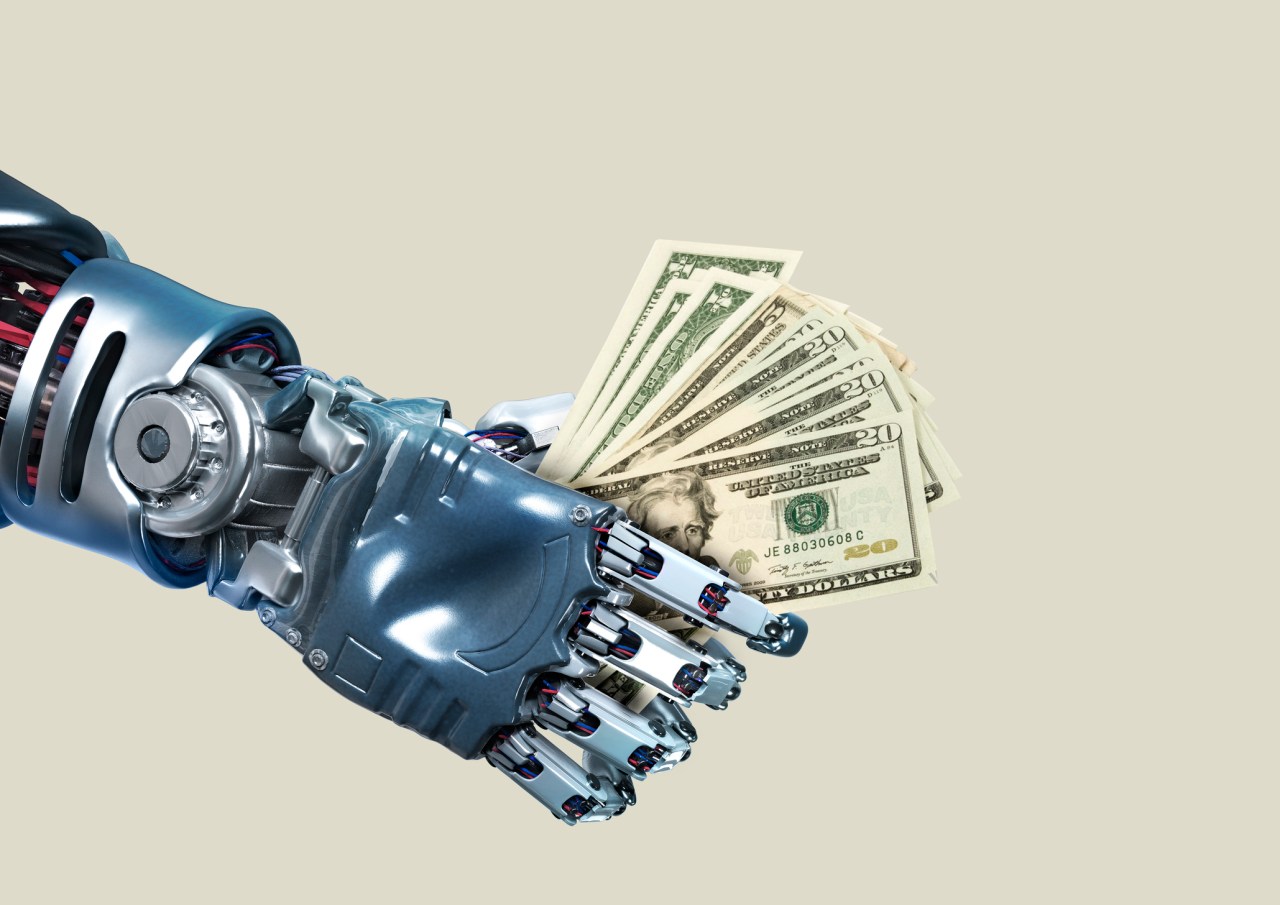
The conversation around the concept of a “robot tax” took a significant turn when tech visionary Bill Gates proposed it as a way to safeguard jobs in an increasingly automated world. The fundamental question at its core is whether such a tax would merely serve as an “innovation penalty,” stifling progress instead of promoting it. As society stands on the brink of widespread automation, understanding the implications of a robot tax becomes crucial in our quest for an inclusive technological future.
Defining Robots: Are We Casting Too Wide a Net?
First, let’s dive into the definition of a robot. Traditionally, we picture mechanical arms on assembly lines or self-driving drones delivering packages. However, the broader definition encompasses any technology that senses, evaluates, and acts to complete a task. This includes everyday devices we often overlook—such as smartphones, washing machines, and even smart home devices.
Thus, the question arises: where do we draw the line? If we begin to categorize all automation under the term “robot,” we open Pandora’s box of implications. For instance, what about augmented reality surgical instruments that assist with precision? Would we classify these as robots deserving taxation? This confusion could lead firms to re-label their technology merely as “hardware” or “software” to circumvent potential taxation, complicating legislative efforts aimed at a robot tax.
Jobs, Automation, and the Feedback Loop
The next challenge lies in establishing a causal relationship between automation technologies and job loss. Companies deploy automation not solely to eliminate human jobs but to enhance efficiency and foster growth. The very same robots that may cause one person to be laid off can lead to the hiring of several others—be it technicians, marketers, or product developers—due to increased productivity and business expansion.
A historical analysis of census data in England and Wales from 1871 onward indicates that technological innovations have created significantly more jobs than they’ve displaced. This trend suggests that instead of creating job scarcity, automation expands opportunities, thereby refuting the belief that robots equal unemployment.
The Flawed Idea of an Innovation Tax
Proposing a tax specifically on robotic technologies might inadvertently work against the very principles of economic growth and innovation. An “innovation tax” penalizes companies that invest in technologies to boost productivity and revenue. It begs the question: shouldn’t governments incentivize such innovation to strengthen the economy and increase global competitiveness?
Rather than taxing companies for adopting advanced technologies, a more strategic approach would be to ensure businesses pay taxes based on their increased profits. As corporations grow due to productive automation, they ought to contribute fairly to public resources, ultimately benefitting the community and funding essential services like education and infrastructure.
Addressing the Underlying Issues of Automation
While a robot tax may seem like a straightforward solution to address the job displacement caused by automation, it fails to alleviate the larger systemic issues at hand. Realistically, governments should leverage corporate tax revenues to fund education and skills training that prepares workers to thrive alongside technology.
Additionally, for individuals unable to integrate into this tech-driven landscape, implementing safety nets such as universal basic income could provide a lifeline during these turbulent transitions. Addressing income inequality demands a multifaceted approach—one that recognizes that the true challenge lies in educating and empowering individuals rather than penalizing innovation.
Conclusion: Shaping a Future of Inclusive Innovation
As we wade deeper into the age of automation, re-evaluating our approach to a robot tax becomes essential. Instead of viewing technological progression as a threat requiring regulatory penalties, we could see it as an opportunity—a chance to harness innovation for broader societal benefit.
At fxis.ai, we believe that such advancements are crucial for the future of AI, as they enable more comprehensive and effective solutions. Our team is continually exploring new methodologies to push the envelope in artificial intelligence, ensuring that our clients benefit from the latest technological innovations.
Therefore, rather than taxing the tools that can uplift our society, let’s advocate for a more comprehensive strategy that embraces and maximizes technological advancement while providing means for all individuals to adapt and prosper in this new landscape. For more insights, updates, or to collaborate on AI development projects, stay connected with fxis.ai.