
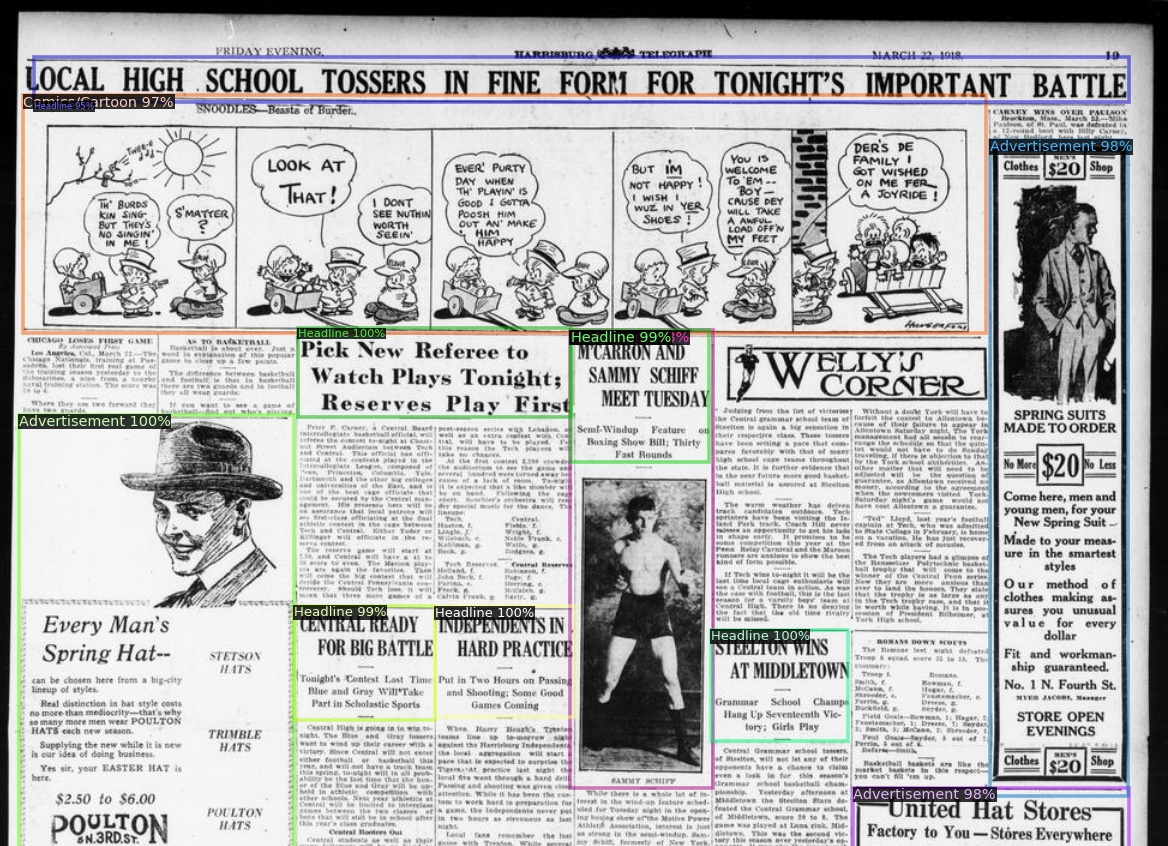
The past is filled with stories waiting to be told, and thanks to advances in technology, accessing those stories has never been easier. Enter the Newspaper Navigator, a pioneering project led by Ben Lee from the University of Washington at the Library of Congress. This initiative is not only revolutionizing how researchers and historians can navigate historical newspapers but is also setting a precedent for future applications of artificial intelligence in archival work.
The Need for Improved Access
Historically, accessing archives of old newspapers was akin to searching for a needle in a haystack. With card catalogs, microfiche scans, and now, digital listings, the journey to finding a specific article, photograph, or illustration felt more like a marathon than a sprint. The combination of outdated methods and the sheer volume of material often left researchers frustrated and disheartened.
However, the emergence of machine learning has created unprecedented opportunities for indexing and analyzing vast historical records. The Newspaper Navigator project stands out as a triumph in this evolution, effectively making millions of images from over three centuries searchable by content, thereby unlocking the hidden treasures of our past.
A Technological Leap Forward
What makes the Newspaper Navigator particularly remarkable is its foundation on a previous initiative called Chronicling America, which aimed to digitize and catalogue old newspapers. While the earlier project laid the groundwork by using optical character recognition, it was the crowdsourced effort that allowed volunteers to outline and categorize images, which contributed massively to the machine learning process that followed.
- Human-Curated Data: The images outlined by volunteers served as training data, creating a solid foundation for machine learning algorithms.
- High-Performance Computation: Once the AI was trained, Lee and his team unleashed it on the entire Chronicling America database, resulting in a monumental 19-day continuous data processing job.
- Endless Possibilities: The breakthrough results allow for simple searches, replacing the exhaustive browsing of physical archives.
Transformative Applications for Researchers
This new capability opens the door to groundbreaking applications in various fields of research. For instance, historians looking to find editorial cartoons from the Great Depression or specific photos of prominent figures can now do so with the ease of a search bar. Want to explore political memes from a specific era? Just type in your query and let the AI do the heavy lifting.
Moreover, the project encourages community engagement through its upcoming data jam, aiming to inspire creative ways to utilize the dataset. Lee envisions an interactive interface that allows users to define their interests—be it political cartoons or fashion ads—and create bespoke classifiers, transforming the way we engage with historical materials.
Broader Implications for Archiving
The success of Newspaper Navigator could serve as a template for other archival collections. Kate Zwaard from the Library of Congress highlights the potential of computational methods to expand searchability across various types of documents, particularly within their book collection filled with intricate illustrations waiting to be discovered.
Imagine the challenges faced by researchers trying to locate specific images of the Madonna and Child among thousands of unindexed books. With the application of advanced image-and-caption AI, this once daunting task could become a seamless endeavor, drastically reducing the time and effort required.
Conclusion
The Newspaper Navigator project exemplifies how machine learning and artificial intelligence have the capacity to transform the way we access the past. By digitizing and organizing millions of newspaper images, it not only serves researchers but also inspires innovations in how we interact with archived materials. With an ever-growing wealth of data available at our fingertips, the stories of yesteryears become more accessible and, ultimately, more meaningful.
At fxis.ai, we believe that such advancements are crucial for the future of AI, as they enable more comprehensive and effective solutions. Our team is continually exploring new methodologies to push the envelope in artificial intelligence, ensuring that our clients benefit from the latest technological innovations.
For more insights, updates, or to collaborate on AI development projects, stay connected with fxis.ai.