
In an era where technology continues to reshape our lives, accessibility enhancements are not just an afterthought—they are essential. As part of the 2024 Accessibility Awareness Day, Google is unveiling transformative updates for Android that promise to bridge the gap for individuals living with mobility and vision impairments. These innovations are not only meant to enhance user experience but also empower a demographic that often faces challenges in engaging with digital platforms. Let’s delve into the significant strides being made in this domain.
Project Gameface: Gaming Without Limits
A groundbreaking initiative, Project Gameface is set to redefine how people with limited mobility engage with their favorite games. Initially launched for desktop platforms, this project now extends its capabilities to Android devices. By translating facial movements—such as raising an eyebrow or moving one’s mouth—into actions on the screen, Google is making gaming more inclusive.
With a customizable virtual cursor that responds to facial gestures, users can perform actions that were once impossible or challenging. Imagine executing a swipe by simply moving your head in a defined manner! The flexibility in sensitivity settings allows for personalized adjustments, ensuring users can interact with games in a way that feels natural to them. This initiative not only aims to make entertainment accessible but also encourages social interaction and community engagement through gaming.
Look to Speak: Communicate with Ease
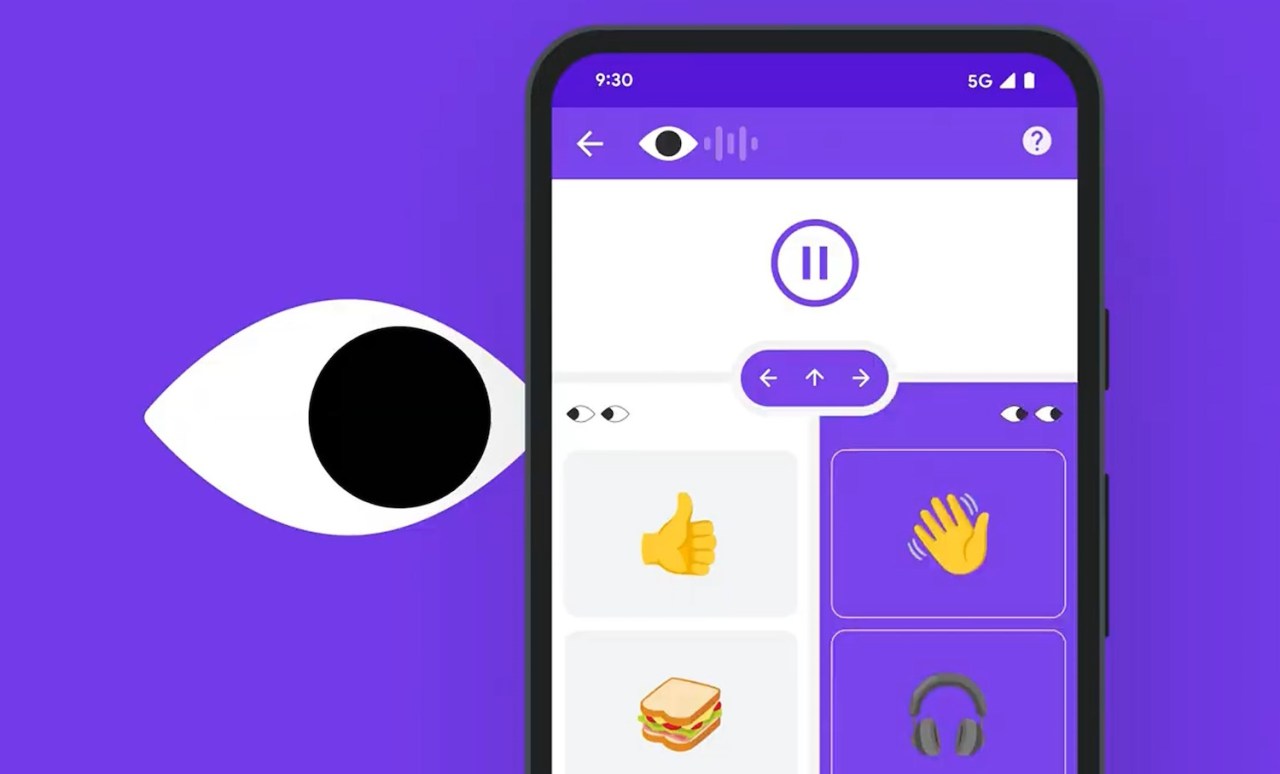
Communication is fundamental for human interaction, and Google’s new look to speak mode caters specifically to those who struggle with traditional typing methods. This delightful feature allows users to select emojis simply by looking at them, opening a world of expression without the need for a physical keyboard. Users can even customize their visual communication by adding personal photos and frequently used emojis, making it easier than ever to convey thoughts and feelings.
- Choose and send emojis autonomously or as visual representatives for phrases.
- Create custom photo shortcuts for easy access to contacts and repeated messages.
- Streamline communication through intuitive glance-based gestures.
In essence, this feature offers a streamlined alternative that emphasizes the importance of simplicity in communication for individuals with mobility restrictions. Imagine sending a quick message by just glancing at a pre-loaded emoji—it’s a powerful integration of technology with everyday communication needs.
Enhanced Visual Aid: Empowering the Visually Impaired
The advancements don’t stop at mobility; Google is taking significant steps to aid users with vision impairments as well. With a range of tools for object and location recognition, the camera becomes a powerful aid in navigating the world. Users can train their devices to recognize personal belongings, such as an empty chair or even specific keychains, making daily life more manageable.
Furthermore, the ability to add personalized recognition capabilities enhances the efficacy of the system. Instead of a generic list of objects, users can receive tailored descriptions based on their environment. This not only assists in day-to-day tasks but also increases independence and confidence in social situations.
Why These Developments Matter
Accessibility features are often overlooked in the tech world, but the innovations introduced by Google spotlight essential enhancements that cater to the individual needs of users. The collaboration with organizations such as Incluzza in India emphasizes a commitment to continual improvement driven by user feedback—ensuring technology adapts to, rather than hinders, their experiences.
Tech giants like Apple and Microsoft are also investing in accessibility features, indicating a collective recognition of the issues faced by diverse user groups. These updates are vital not only for fostering inclusivity but are essential stepping stones towards creating a society where technology is accessible for all.
Conclusion
As we celebrate these innovations, it’s important to remember that the progress towards accessibility is ongoing. Google’s strides with Project Gameface and look to speak, along with enhanced visual assistance, signify a brighter, more inclusive future for technology. By making digital experiences more user-friendly, the barriers that once separated individuals from technology are steadily being dismantled.
For more insights, updates, or to collaborate on AI development projects, stay connected with fxis.ai.
At fxis.ai, we believe that such advancements are crucial for the future of AI, as they enable more comprehensive and effective solutions. Our team is continually exploring new methodologies to push the envelope in artificial intelligence, ensuring that our clients benefit from the latest technological innovations.