
As technology continues to evolve, it increasingly seeks to break down barriers and promote inclusivity for individuals with disabilities. Apple’s latest innovation targets a critical area: accessibility for visually impaired users. With the introduction of a groundbreaking feature in iOS, iPhones can now assist blind users by detecting the presence of people, determining their distance, and guiding users effectively. This tool utilizes advanced technology from Apple’s ARKit, showcasing a leap forward in creating a more harmonious interaction between users and their environment.
The Mechanics Behind People Detection
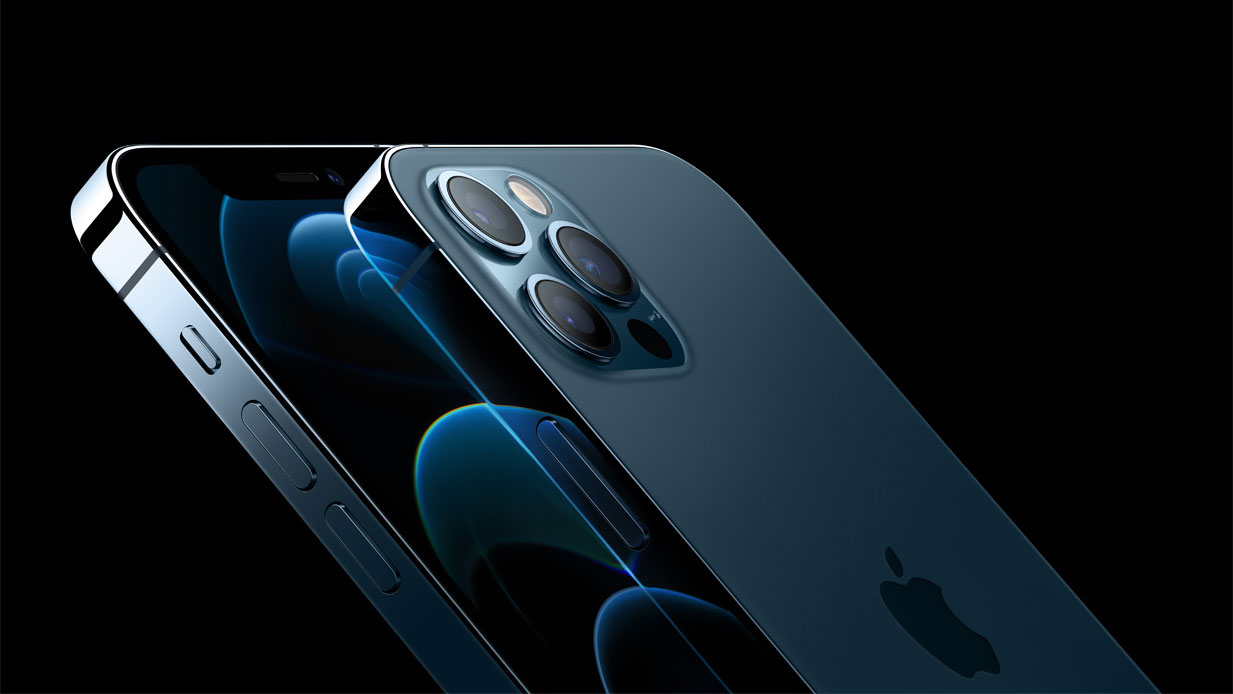
At the core of this remarkable feature is the combination of the iPhone’s powerful lidar and wide-angle camera found in the iPhone 12 Pro and Pro Max. While the integration of ARKit* offered a foundation for virtual interactions through “people occlusion,” the accessibility team recognized its wider potential in aiding blind individuals.
- Understanding the Environment: The feature operates by first determining whether individuals are present in the camera’s view. If detected, the system then relays essential information, such as the closest person’s distance in feet or meters. What’s even more impressive is that the feedback is continuously updated, allowing users to navigate their surroundings dynamically.
- Sound Feedback: To enhance navigational ease, the tool offers sound feedback that corresponds to stereo directionality, allowing users to understand not just how far someone is, but also in which direction.
- Customized Alerts: Users can personalize their experience by setting specific distance tones. For example, a tone may indicate when someone is within six feet, perfect for maintaining social distance, especially during times like the ongoing pandemic.
- Haptic Feedback: An innovative element of this feature is the inclusion of haptic feedback. The system offers pulse alerts that increase in frequency as a detected person approaches, aiding those with dual sensory impairments.
- Visual Assistance: For individuals with partial vision, a visual arrow pointing towards detected persons can ease navigation, further demonstrating that blindness exists on a spectrum and requires adaptive solutions.
Challenges and Future Possibilities
While this feature represents a significant breakthrough, it’s essential to address its limitations. The functionality requires adequate lighting conditions, meaning it may not perform optimally in dim environments. Moreover, it is currently exclusive to the upper echelon of iPhone devices, which may restrict access for some potential users.
Nonetheless, such investment in these technologies often becomes more palatable for those who depend on them as aids for independence. It’s a clear illustration of how advanced hardware can mean much more than just status symbols—it’s a real lifeline for those requiring enhanced vision solutions.
The Social Impact of Accessibility Features
The implementation of people detection tools marks a pivotal moment as we acknowledge the 30th anniversary of the Americans with Disabilities Act (ADA). While this accomplishment triggered monumental improvements in accessibility, the tech industry is far from concluding its journey. In fact, Apple’s innovation is a testament to the potential of technology to remedy daily challenges faced by individuals with disabilities. The future is promising as we brave bold advancements that prioritize inclusivity and accessibility.
Conclusion: A Step Towards an Inclusive Future
Apple’s introduction of a people detection feature not only transforms the experience for blind users but also showcases the vital role of technology in promoting inclusivity. As advancements in artificial intelligence and sensor technology continue, we can expect more tailored solutions that address specific needs. While this enhanced accessibility tool is currently limited to certain devices, the demand for such features can encourage broader adoption in future models, further integrating accessibility into everyday technology.
At fxis.ai, we believe that such advancements are crucial for the future of AI, as they enable more comprehensive and effective solutions. Our team is continually exploring new methodologies to push the envelope in artificial intelligence, ensuring that our clients benefit from the latest technological innovations.
For more insights, updates, or to collaborate on AI development projects, stay connected with fxis.ai.