
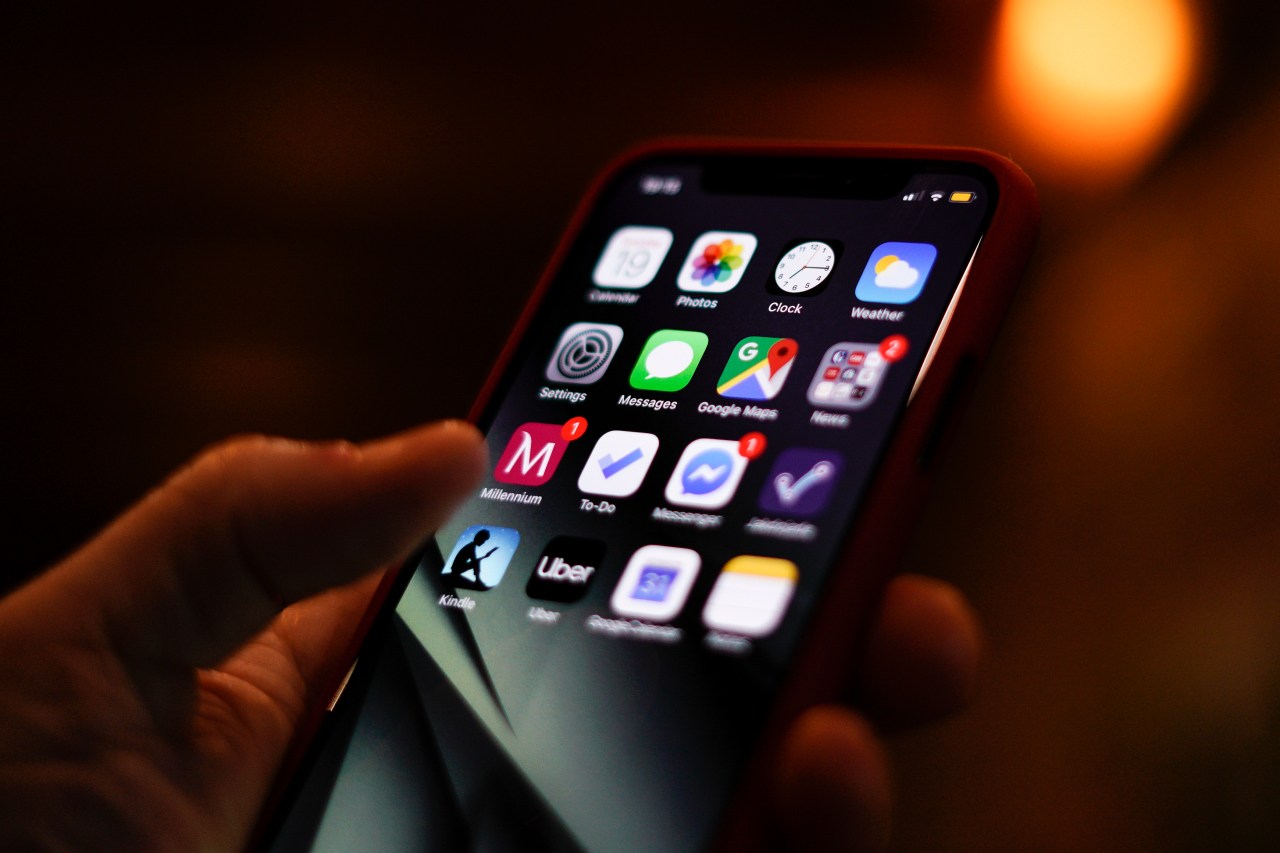
In today’s fast-paced digital world, accessibility is an essential factor that shouldn’t be overlooked. Apple has long been an advocate for inclusivity, crafting innovative solutions that empower users with disabilities. With the introduction of Screen Recognition in iOS 14, Apple takes a significant leap forward in enhancing the experience for visually impaired users. This transformative feature uses machine learning to automatically recognize and label buttons, sliders, and other UI elements, making interaction with apps smoother and more intuitive.
The Magic of Machine Learning in Accessibility
Even though Apple’s VoiceOver has provided crucial support for users with vision impairments, the recent integration of machine learning into iOS marks a game-changing enhancement. The iPhones can now leverage a sophisticated computer vision system trained on thousands of app images, enabling users to experience automatic recognition of various UI components. The results are nothing short of astounding, as this technology scans the screen and labels each interactive element within mere seconds.
How Screen Recognition Works
Screen Recognition operates on the principle of recognizing and classifying the pixels displayed on the screen. Thanks to rigorous training with an extensive dataset, this system learns to discern not only standard icons but also context-specific elements within apps. As Chris Fleizach from Apple’s iOS accessibility engineering team explained, the feature doesn’t aim to replace manual labeling but rather to bridge the gaps left by outdated or inconsistent app designs.
- Increased Accessibility: By labeling every UI component, Screen Recognition ensures that a sighted user’s experience is mirrored for visually impaired users.
- Fuzzy Logic Integration: Unlike older models that required precise matches, this new system employs fuzzy logic, allowing for greater flexibility and accuracy in identifying UI elements.
- On-Device Processing: With the computing advancements seen in recent iPhones, this recognition happens quickly and efficiently, preventing potential battery drain.
Real-World Impact and Examples
The introduction of Screen Recognition signifies a monumental shift in how accessibility features can enhance the user experience. Imagine navigating through your favorite app with VoiceOver now seamlessly labeling every button and tab without manual input. The ability to recognize context-specific elements like menus or game controls transforms not only functionality but also the overall ease of use for millions of visually impaired users.
Further, this technology encourages developers to optimize their apps, bearing in mind how the additions of Screen Recognition could substantially improve navigation for all users. Engagement and understanding foster a community-driven approach towards developing applications that do not alienate users due to poor accessibility.
The Road Ahead: Other Platforms and Future Developments
While the Screen Recognition feature for iPhones is groundbreaking, one may wonder about its potential expansion to other platforms like the Mac. The challenge lies in the inherent differences between mobile and desktop applications. Nonetheless, the successful implementation on iOS encourages the likelihood of similar accessibility-focused initiatives in the future across different platforms.
The potential for AI-driven accessibility features is merely scratching the surface, and it is fascinating to consider where future advancements will take us. As the technology evolves, it will be exciting to see how other companies embrace inclusivity in their designs, ensuring that no user is left behind.
Conclusion
With the release of Screen Recognition, Apple has once again demonstrated its commitment to enhancing accessibility through innovative technology. The impact of such advancements is profound, making daily technology interactions more empowering for individuals with disabilities. At fxis.ai, we believe that such advancements are crucial for the future of AI, as they enable more comprehensive and effective solutions. Our team is continually exploring new methodologies to push the envelope in artificial intelligence, ensuring that our clients benefit from the latest technological innovations. For more insights, updates, or to collaborate on AI development projects, stay connected with fxis.ai.