
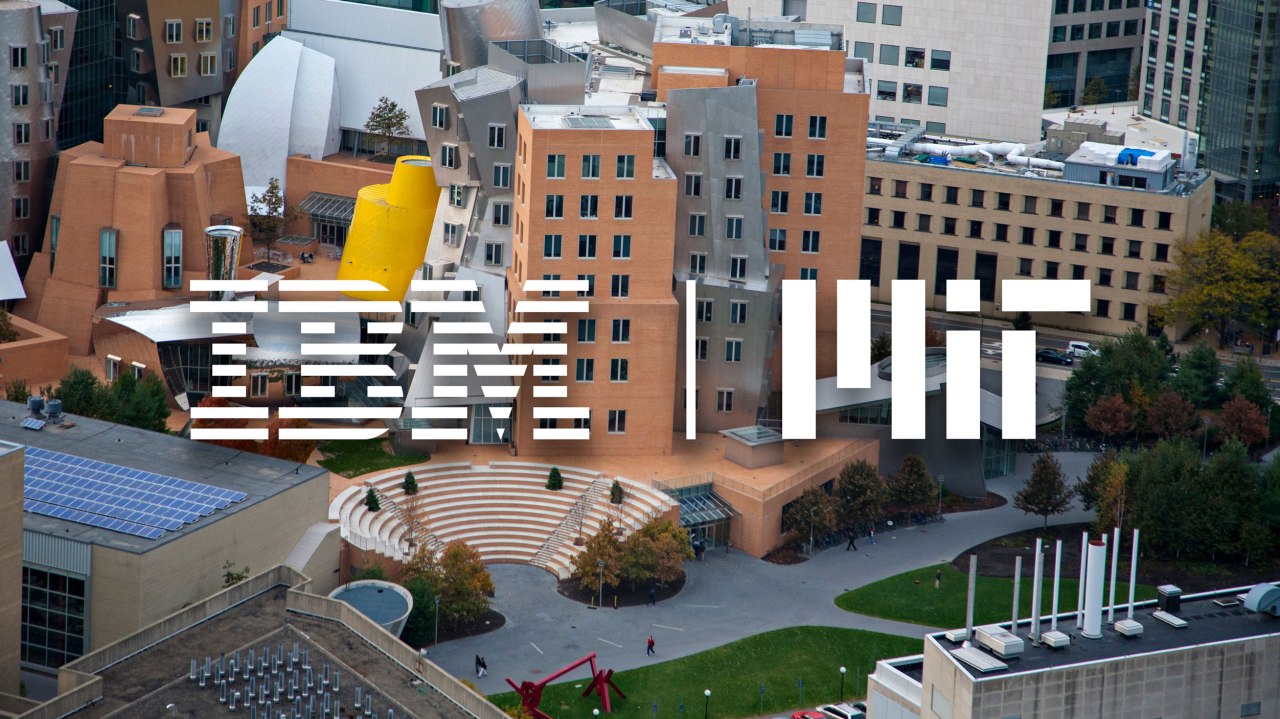
In a landmark collaboration that promises to transform the landscape of artificial intelligence, IBM and the Massachusetts Institute of Technology (MIT) have joined forces to establish the MIT-IBM Watson AI Lab. This 10-year partnership, which involves an investment of $240 million, seeks to push the boundaries of what AI can achieve across various industries. But what does this mean for the future of AI research, and how will it shape the innovation ecosystem?
The Vision Behind the Lab
The primary goal of the MIT-IBM Watson AI Lab is to foster a synergy between academia and industry. By facilitating collaboration between IBM’s seasoned researchers and MIT’s talented students and faculty, the lab aims to explore innovative AI algorithms that transcend specific applications, particularly focusing on generalizing solutions to complex enterprise problems. Co-chaired by IBM’s VP of AI, Dario Gil, and Anantha P. Chandrakasan, dean of MIT’s School of Engineering, this partnership is set to be a crucible for groundbreaking research.
Focus Areas of Innovation
The partnership will concentrate on several core principles that guide the research agenda:
- Advancing Algorithm Development: The collaboration intends to develop AI algorithms that are not confined to specific applications of neural networks, aiming instead for broader utility across industries.
- Integrating Quantum Computing: With IBM’s focus on quantum computing, combining it with AI development has immense potential. This integration could lead to breakthroughs where AI enhances quantum computing capabilities and vice versa.
- Industry Applications: The lab will primarily direct its research efforts toward sectors such as healthcare and cybersecurity, leveraging IBM’s existing infrastructure in Kendall Square, which is conveniently located near MIT.
- Understanding Societal Impact: Both MIT and IBM are committed to exploring the social and economic ramifications of AI. The decision to examine these impacts is crucial, as AI continues to reshape various facets of human life.
Open Innovation and Intellectual Property
A significant aspect of this partnership is its commitment to openness and collaboration. While MIT will publish research findings stemming from the lab, there is also an intent to open-source a significant amount of the codes produced. This approach not only democratizes access to knowledge but also enhances the potential for innovation by inviting contributions from the broader tech community.
However, details regarding the ownership of intellectual property (IP) arising from this collaboration remain somewhat ambiguous. Some of the innovations developed are expected to find their way into IBM’s products and services, while MIT hopes to capitalize on this partnership by launching new AI-driven startups.
Implications for the Future of AI
The MIT-IBM partnership signifies a pivotal move towards harnessing collective intellect to tackle the pressing challenges posed by advanced technology. As AI advancements continue to proliferate, collaborations like this one are essential for ensuring that technologies evolve ethically and responsively. Notably, exploring how to mitigate risks associated with AI, while simultaneously harnessing its potential for good, forms a crucial part of their research focus.
Conclusion
The establishment of the MIT-IBM Watson AI Lab presents a unique opportunity for innovation in the field of artificial intelligence. By bringing together the sharp minds of MIT and the resources of IBM, the partnership not only aims to solve complex problems but also to create a thriving ecosystem for future startups. Through a multidisciplinary approach, both organizations recognize the transformative power of AI and are committed to ensuring its responsible development.
At fxis.ai, we believe that such advancements are crucial for the future of AI, as they enable more comprehensive and effective solutions. Our team is continually exploring new methodologies to push the envelope in artificial intelligence, ensuring that our clients benefit from the latest technological innovations. For more insights, updates, or to collaborate on AI development projects, stay connected with fxis.ai.