
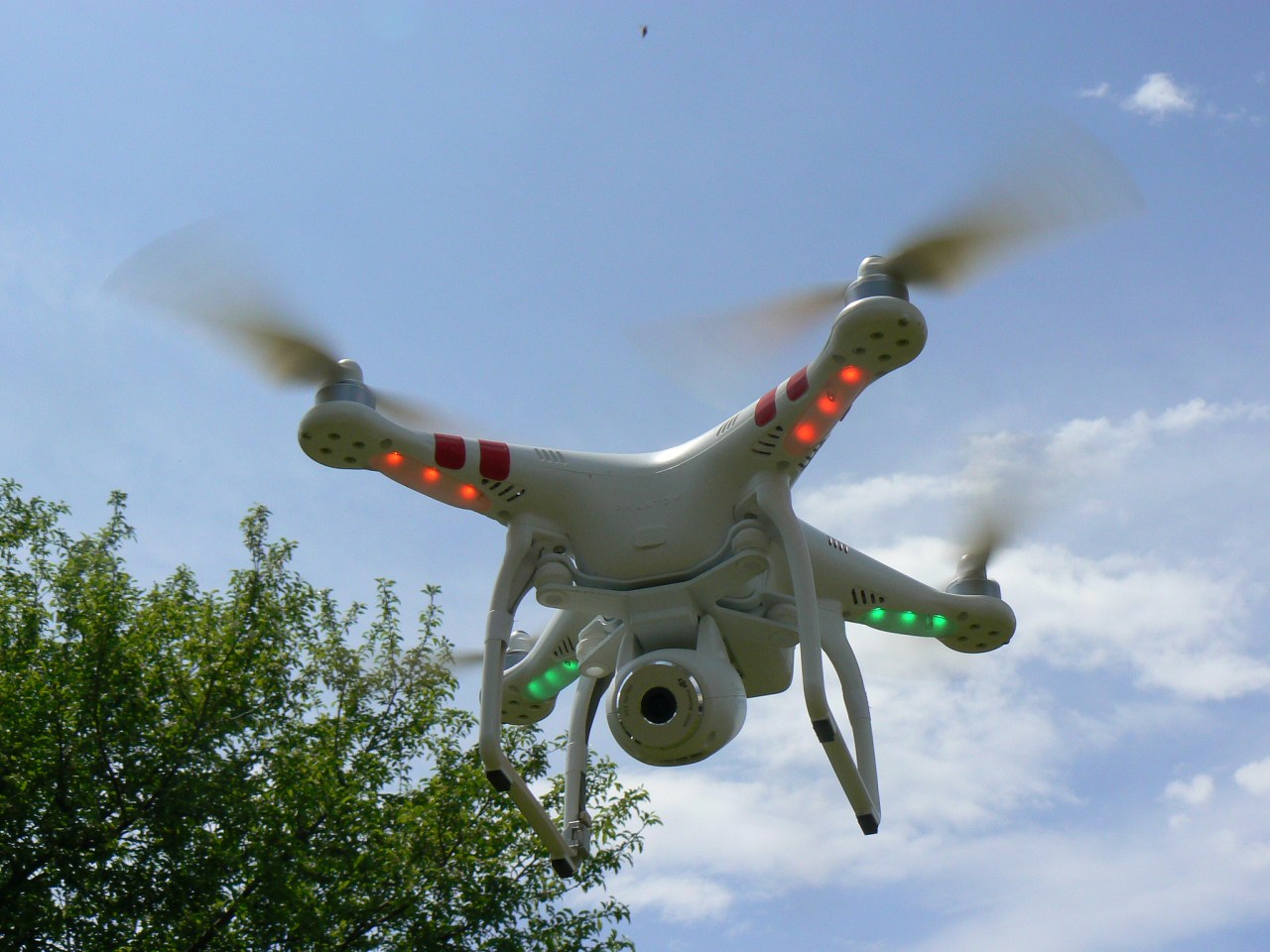
Bird strikes, though infrequent, pose significant risks to aviation safety. As we continue to innovate in the field of technology, one such groundbreaking solution is the utilization of autonomous drones for bird management around airports. This approach not only minimizes risks but also addresses the challenges faced by traditional methods. Let’s delve into how these innovative drones operate and the potential implications for the aviation industry.
The Challenges of Bird Control
Birds are unpredictable creatures, often coming in flocks of dozens or even hundreds. Managing their movement, especially near busy airports, is no small feat. Conventional methods like manually piloted drones or trained falcons have their limitations. The former often requires skilled pilots, while the latter is not scalable across larger areas. Recognizing these drawbacks, researchers from CalTech have embarked on an exciting journey to develop a more efficient solution.
Inspired by Real-Life Incidents
The impetus for this technology can be traced back to a near-disaster that gripped the aviation world in 2009. US Airways Flight 1549 narrowly avoided catastrophe after striking a flock of birds shortly after takeoff. The successful emergency landing on the Hudson River stirred concern over the safety measures employed by airports. Soon-Jo Chung, a researcher at CalTech, became motivated to explore ways to prevent such close calls in the future by leveraging his expertise in autonomy and robotics.
How Autonomous Drones Work
The core idea behind these drones is simple yet innovative: utilize advanced algorithms to predict and influence bird behavior without causing panic. Chung and his team studied the dynamics of flock movement, eventually developing a model that predicts how birds will respond when threatened. This model serves as the basis for determining the optimal flight path for the drones—enabling them to guide birds away from danger without scattering them uncontrollably.
The Mechanics of Deployment
- Precise Positioning: The placement of the drone is crucial; it must be within a specific range to effectively alter bird flight patterns.
- Obstacle Avoidance: The drones are programmed to avoid becoming a threat themselves, ensuring that they don’t inadvertently trigger panic among bird populations.
- Real-time Adaptations: Equipped with precision radar, these drones can adapt their strategies based on the size and behavior of different flocks encountered.
Potential for Widespread Implementation
With successful trials demonstrating the efficacy of this autonomous drone system, the landscape of airport safety is poised for change. Imagine a network of drones working in tandem, equipped with the ability to survey and secure vast airspaces with high levels of precision. This could lead to:
- Reduced Risks: By actively managing bird populations, the chances of strikes occurring significantly decline.
- Cost-effectiveness: Utilizing drones eliminates the need for extensive manual oversight and can be run with a smaller team of skilled operators.
- Scalability: The system’s adaptable nature means that it can be used at both major airports and smaller regional facilities.
Next Steps and Research Opportunities
While initial trials have been promising, more research is necessary to refine these systems. Factors such as varying flock sizes, bird species, and environmental conditions must be further analyzed. As this technology progresses, its real-world applications can extend beyond airports, potentially influencing wildlife management in urban areas.
Conclusion
Autonomous drones stand at the cusp of transforming airport safety and wildlife management. By intelligently guiding birds away from aviation pathways, they embody a harmonious blend of technology and ecology. As researchers continue to fine-tune these systems, the potential for their application grows exponentially, ultimately leading to safer skies for both birds and aircraft.
At fxis.ai, we believe that such advancements are crucial for the future of AI, as they enable more comprehensive and effective solutions. Our team is continually exploring new methodologies to push the envelope in artificial intelligence, ensuring that our clients benefit from the latest technological innovations. For more insights, updates, or to collaborate on AI development projects, stay connected with fxis.ai.