
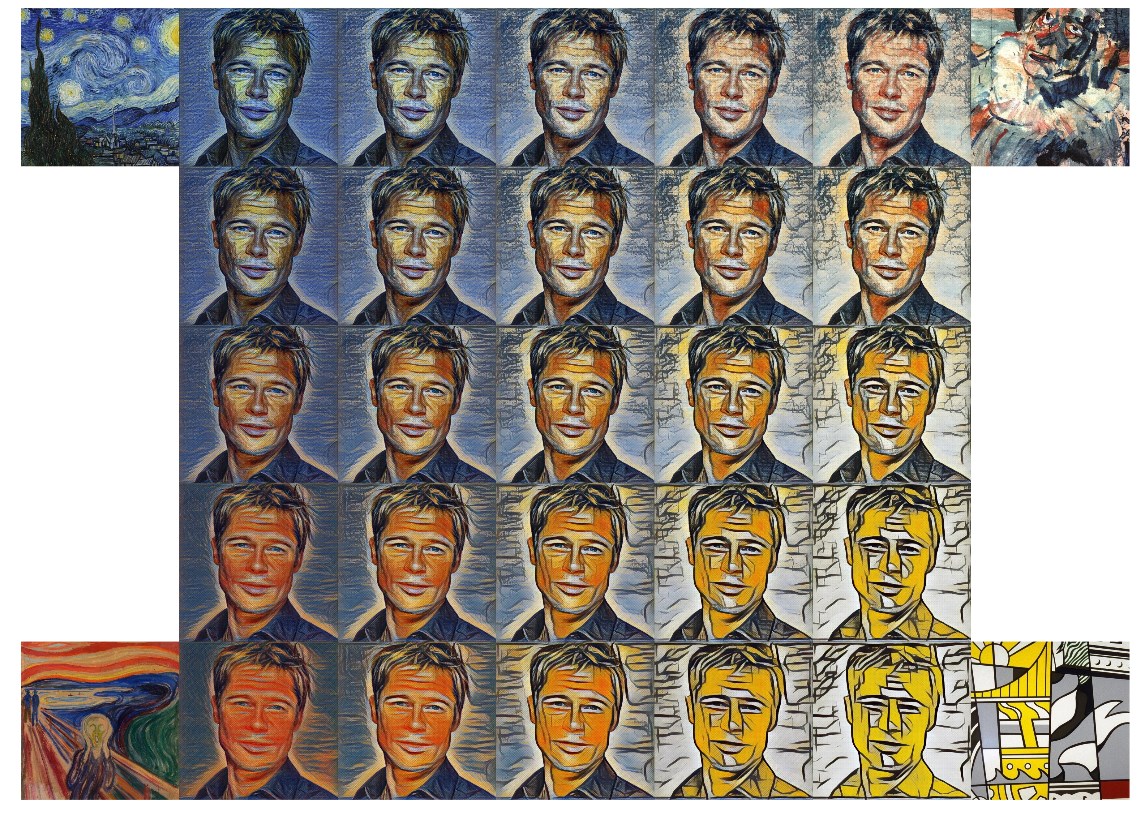
In a world where technology seems to touch every aspect of our lives, the artistic domain is no exception. Enter deep learning, a powerful tool reshaping how we interact with art and creativity. Thanks to advancements from Google Brain, the mystique around artistic filters has transitioned from mere novelty to a frontier of captivating possibilities. Imagine picking a bit of Monet, just a dab of Doré, and blending it seamlessly with a pinch of Picasso—all in real-time! This is not just fantasy; it’s the remarkable evolution of style transfer, thanks to neural networks.
The Essence of Pastiche
At its core, creating a pastiche involves meticulously combining elements of existing artistic styles to produce something distinctly unique yet recognizable. This creative challenge has persisted for ages, requiring artists to delve deeply into and understand the nuances of numerous styles. For AI researchers, however, the quest to achieve comparable results has stoked relentless curiosity. Their belief in the supremacy of machine capabilities continues to drive innovations in art creation.
The Power of Neural Networks
Previously, applying a style transfer meant utilizing multiple, hefty computations designed to reinterpret an image and mimic the technique of one specific artist. Enormous datasets and considerable processing power were often required to achieve even modest results. The breakthrough from Google Brain, however, has turned this process on its head. For the first time, an advanced neural network learns the characteristics that define multiple works by an artist, enabling a powerful repurposing of techniques in much less time.
The Game-Changer: Real-Time Mixing and Matching
What sets this innovative approach apart is its unprecedented speed and flexibility. Instead of relying on individual networks tailored to specific styles, Google’s new technique uses a super-efficient model capable of blending myriad artistic influences. The artist’s essence—color palettes, brush strokes, and thematic choices—can be distilled and recombined in creative harmony.
- Quick Creativity: Produce art at an impressive pace.
- Stylistic Versatility: Seamlessly combine styles that traditionally wouldn’t interact.
- Generalizability: Use a single network optimizing a broad range of styles, enhancing user creativity.
Is It Just Another App?
Many users may wonder if this capability can’t already be achieved via apps like Prisma. While those applications have their charm, they rely on separate, specialized networks for each artistic style. The new Google model shifts the paradigm, merging the strengths of various influences into one streamlined, adaptable platform. This kind of advanced generalization opens pathways previously thought impossible—like, for instance, blending impressionist and cubist techniques, raising questions as to artistic norms.
Conclusion: The Intersection of Art and AI
The advancements in art styles and neural networks signify a remarkable convergence of creativity and technology, offering us a glimpse into the future of artistic expression. While the narrative around AI in art is still evolving, one thing is certain: the tools now available are empowering both artists and non-artists alike to reach unprecedented levels of creativity. This exciting journey into pastiche, prompted by the ingenuity of AI, invites everyone to explore their imaginative side through a new lens.
At fxis.ai, we believe that such advancements are crucial for the future of AI, as they enable more comprehensive and effective solutions. Our team is continually exploring new methodologies to push the envelope in artificial intelligence, ensuring that our clients benefit from the latest technological innovations.
For more insights, updates, or to collaborate on AI development projects, stay connected with fxis.ai.