
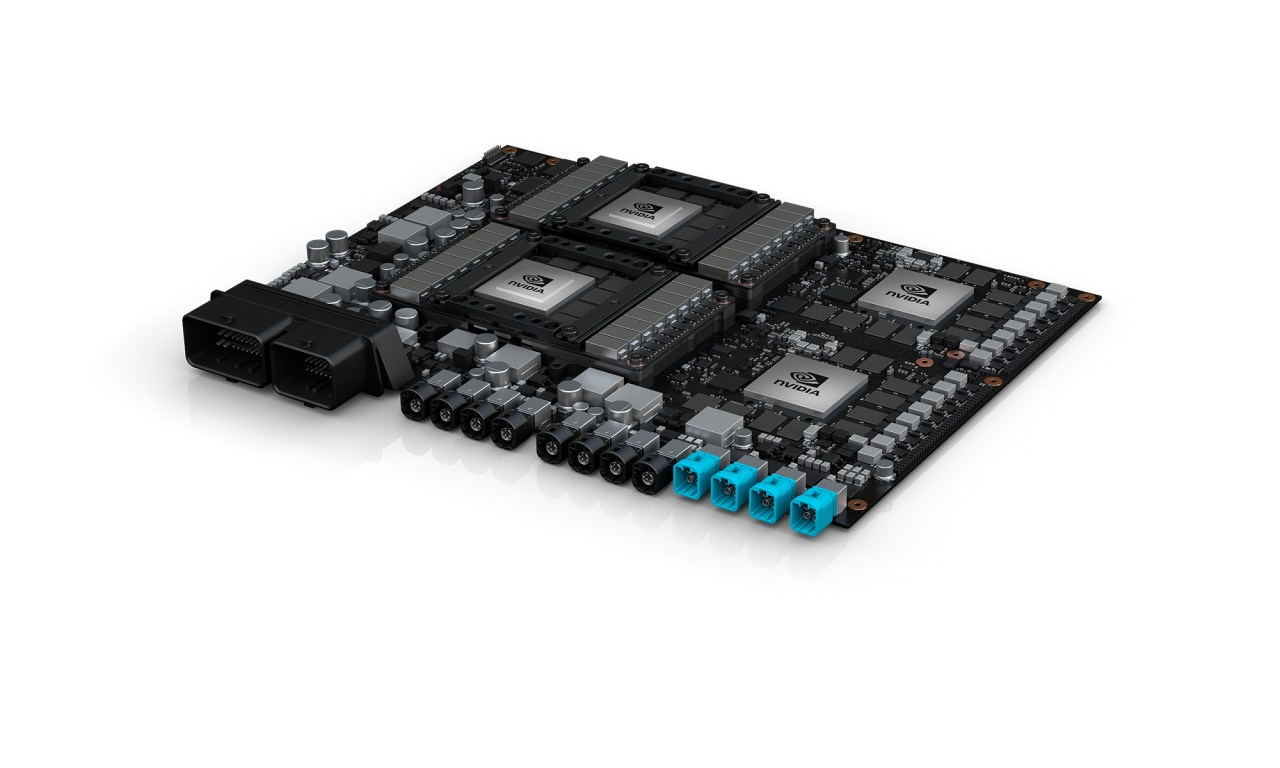
As we navigate through the era of technological innovation, self-driving vehicles are arguably one of the most exciting frontiers. Nvidia, a leader in graphics processing technology, has unveiled its latest creation: the Pegasus AI computer. Designed specifically to accelerate the development of Level 5 autonomous vehicles, this groundbreaking technology promises to redefine how we think about transportation. In this blog, we’ll delve into the capabilities of the Pegasus AI computer, its infrastructural impact, and its ultimate goal of delivering fully autonomous taxi services.
Unprecedented Computational Power
The Pegasus AI computer is built with advanced capabilities that set it apart from its predecessor, the Drive PX 2. Offering over 10 times the computing operations per second, Pegasus supports substantially enhanced deep learning algorithms that are critical for real-time decision-making on the road. Here’s a closer look at its remarkable features:
- Advanced AI Processors: Pegasus is outfitted with four AI processors, including two of Nvidia’s latest Xavier SoCs and two next-generation discrete GPUs, integrating the power of embedded Nvidia Volta GPUs. This robust configuration enables accelerated processing for tasks like computer vision and object recognition, which are paramount for autonomous driving.
- Compact Design: Surprisingly, despite its immense capabilities, the Pegasus system is compact—approximately the size of a license plate. This remarkable design allows for efficient installation in vehicles, eliminating the cumbersome engineering that previous generations required.
- Energy Efficiency: The updated hardware not only boosts computational throughput but also streamlines energy consumption, making it economically feasible for real-world deployment.
Transforming the Autonomous Vehicle Landscape
The adoption of Pegasus is set to play a transformative role in the evolution of driverless taxis. Over 25 companies are already leveraging this technology to chart their course toward fully autonomous vehicles. By placing Nvidia’s cutting-edge AI capabilities in the hands of developers, we’re witnessing a broader movement toward making self-driving taxis a reality.
Bridging the Gap
Today, many companies implementing Nvidia’s technology typically require data centers to manage their hardware needs—a challenge for real-time autonomous systems. However, with the advent of Pegasus, this gap is closing. It helps streamline operations by reducing the hardware footprint necessary for deploying self-driving cars. This is a crucial step in enhancing vehicle efficiency while minimizing the overall complexity of developing autonomous systems.
Path to Deployment
Nvidia’s Pegasus is anticipated to be available to its partners in the latter half of 2018, presenting an exciting opportunity for companies eager to enter the self-driving space. Already, organizations can begin their journey with the earlier Drive PX 2 model, placing them on a gradual trajectory toward the transformative capabilities of Pegasus.
Conclusion: Forging into the Future
The introduction of the Pegasus AI computer marks a significant milestone in the race toward fully autonomous taxis. With its enhanced computing power, reduced physical footprint, and improved energy efficiency, it positions Nvidia at the forefront of an industry that is readying itself for the future of transportation. As we look ahead, the goal remains to create autonomous vehicles that are not just a technical marvel but also a practical reality for everyone.
At fxis.ai, we believe that such advancements are crucial for the future of AI, as they enable more comprehensive and effective solutions. Our team is continually exploring new methodologies to push the envelope in artificial intelligence, ensuring that our clients benefit from the latest technological innovations.
For more insights, updates, or to collaborate on AI development projects, stay connected with fxis.ai.