
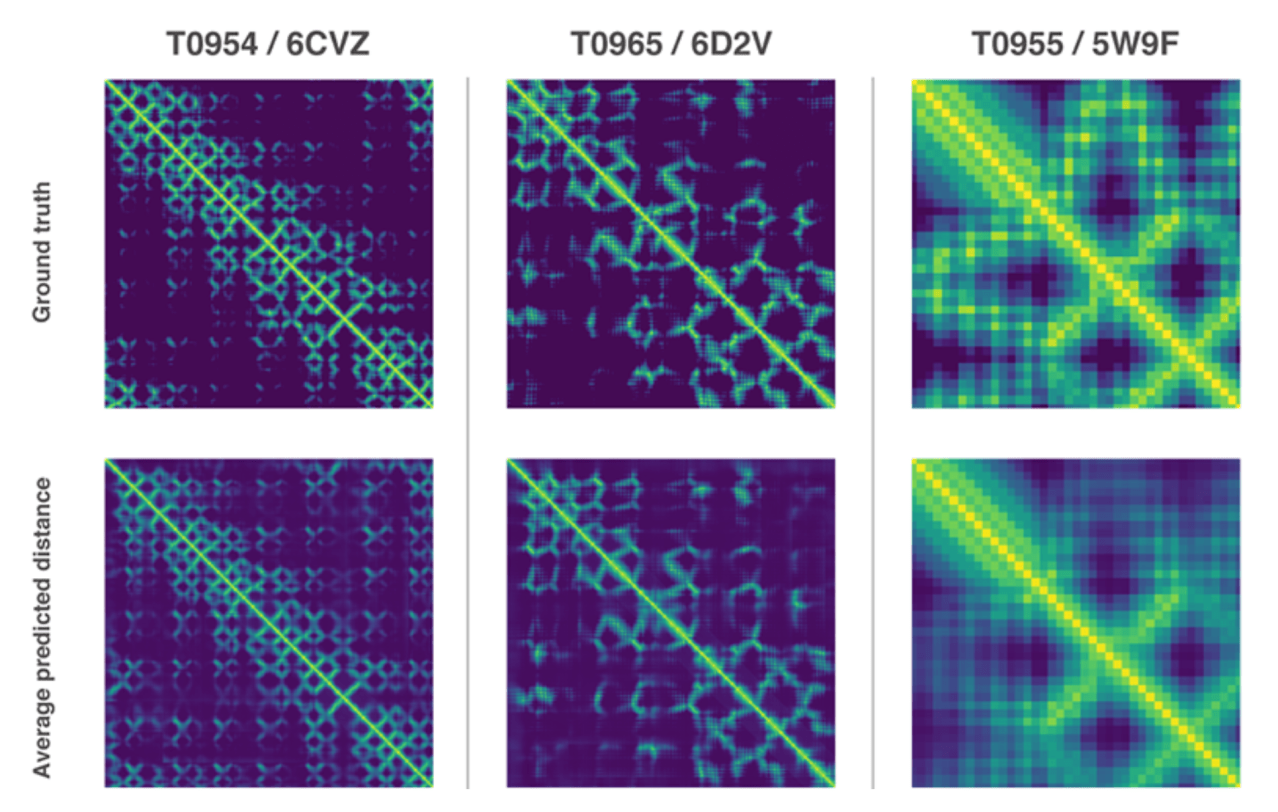
In a remarkable leap for both artificial intelligence and biological sciences, DeepMind, a subsidiary of Google, has unveiled significant advancements in predictive protein modeling. The AI powerhouse has demonstrated that its innovative tool, AlphaFold, is capable of predicting the three-dimensional structures of proteins simply by interpreting their genetic sequences. As the foundations of modern medicine and biotechnology hinge on our understanding of protein structures, the implications of this breakthrough could reverberate through the epochs of biology and health diagnostics.
The Importance of Protein Structures
Understanding how proteins fold into their complex three-dimensional forms is paramount for a multitude of reasons. Incorrect protein folding can lead to various diseases, including neurodegenerative conditions like Alzheimer’s and Parkinson’s. By correctly predicting protein structures, researchers gain insights that could redefine the landscape of disease diagnosis, treatment, and even preventative measures. Furthermore, this approach can support innovation in protein design, aiding in bioengineering and therapeutic development.
AlphaFold: A Game-Changer in Computational Biology
DeepMind’s AlphaFold stands at the forefront of this revolution. As highlighted in their recent project update, AlphaFold’s ability to go beyond traditional methods has showcased progress in tackling one of biology’s most complex challenges. Thanks to an intricate network of deep learning algorithms harnessed on a rich dataset from genomics, AlphaFold produces results that are markedly more accurate than previous models.
From Data to Structure: The Technology Behind AlphaFold
DeepMind attributes its success to years of dedicated research that merged big data strategies with protein structure prediction. With the rapid reduction in costs associated with genetic sequencing, the field of genomics has been blossoming with datasets that bolster the efficacy of AI approaches. Here are some key methodologies DeepMind has utilized:
- Predicting Distances: The first breakthrough came in developing neural networks that predict the distances between pairs of amino acids, providing a foundation for constructing accurate protein models.
- Optimizing Structures: AlphaFold employs gradient descent techniques, allowing the system to make incremental improvements to proposed protein models. This significantly lowers the complexity of the prediction process.
- Generative Networks: The development of generative neural networks that invent new protein fragments represents an inventive stride in the project, enhancing the overall accuracy in structure prediction.
Early Milestones and Future Potential
Although DeepMind’s progress with AlphaFold marks a new epoch for computational protein modeling, the journey is still unfolding. The results thus far are described as nascent signs of success, hinting at the monumental potential that AI holds for scientific discovery. However, DeepMind openly acknowledges the considerable distance yet to traverse before these methodologies can impact disease treatments and environmental management tangibly.
As the team focuses its energies on leveraging machine learning to spur advancements in science, the excitement about future breakthroughs is palpable. With the ever-expanding horizon of AI technologies, one can only anticipate innovative solutions to longstanding biological problems.
Conclusion: Bridging AI and Biomedicine
DeepMind’s journey in protein modeling exemplifies the symbiotic relationship between artificial intelligence and scientific advancements. By addressing the complexities of protein folding through ground-breaking AI methodologies, DeepMind is setting the stage for a future where biological mysteries are unraveled at unprecedented speeds. As the world watches closely, the convergence of AI and biology holds promise not just for healthcare but for the entirety of human understanding concerning life’s fundamental building blocks.
At fxis.ai, we believe that such advancements are crucial for the future of AI, as they enable more comprehensive and effective solutions. Our team is continually exploring new methodologies to push the envelope in artificial intelligence, ensuring that our clients benefit from the latest technological innovations.
For more insights, updates, or to collaborate on AI development projects, stay connected with fxis.ai.